


Heavy-duty structures-from bridge beams to industrial equipment frames-demand materials that can withstand extreme loads, harsh conditions, and long-term wear. A588 Grade B Corten Steel is known for its enhanced toughness, but many buyers and fabricators wonder: Is it strong enough for heavy-duty use? Can it handle the stress of heavy loads and harsh environments? Is it a reliable choice for critical structural projects? The core answer is clear: Yes, A588 Grade B Corten Steel is ideal for heavy-duty structures-its high toughness, corrosion resistance, and standardized strength make it a durable, cost-effective option. Below is a concise, practical guide.

Why It's Suitable for Heavy-Duty Structures
A588 Grade B, standardized by ASTM A588, has key properties that directly address the demands of heavy-duty use-no compromises on strength or durability:
Enhanced Toughness: It boasts high impact toughness, even in cold temperatures (down to -20℃/-4℉), meaning it can absorb energy and resist cracking under heavy loads or sudden stress-critical for heavy-duty structural integrity.
Reliable Mechanical Strength: With a minimum yield strength of 345MPa and tensile strength of 485MPa, it easily handles the weight and stress of heavy-duty applications, outperforming A588 Grade A in high-stress scenarios.
Corrosion Resistance: Its protective patina blocks moisture and oxygen, preventing rust and degradation over time-essential for heavy-duty structures that stay outdoors long-term (25–40 year lifespan).
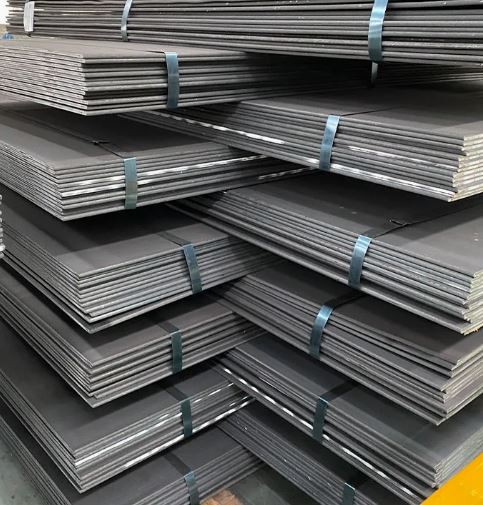
Common Heavy-Duty Applications for A588 Grade B
It excels in a range of heavy-duty projects, leveraging its strengths to deliver long-term reliability:
Bridge Components: Beam supports, decking, and railings-handles heavy traffic loads, freeze-thaw cycles, and outdoor exposure without weakening.
Industrial Frames & Supports: Factory structures, heavy equipment bases, and storage tank supports-withstands constant weight and industrial wear.
Large-Scale Infrastructure: Port cranes, highway overpass supports, and industrial plant frameworks-resists extreme loads and harsh environmental conditions.
Practical Considerations for Heavy-Duty Use
To maximize performance in heavy-duty projects, keep these simple tips in mind:
Choose the Right Thickness: Opt for 20mm–60mm thicknesses-thicker plates (25mm+) are ideal for extreme heavy loads (e.g., bridge beams), while 20mm works for standard heavy-duty supports.
Proper Welding: Use Corten-compatible electrodes (e.g., E7018) and preheat plates >20mm thick before welding to ensure strong, corrosion-resistant welds.
Minimal Maintenance: Let the patina form naturally-no painting needed, which saves time and cost over the structure's lifespan, even in harsh industrial environments.

When to Avoid It for Heavy-Duty Use
While it's excellent for most heavy-duty projects, skip it for:
Extreme load scenarios (e.g., ultra-heavy industrial machinery bases) that require specialized high-strength steel (e.g., ASTM A514).
Projects in extreme chemical environments (e.g., chemical plant frames)-its patina can't withstand strong acids or heavy chemical exposure.
In short, A588 Grade B Corten Steel is a reliable choice for heavy-duty structures. Its enhanced toughness, strength, and corrosion resistance make it durable, low-maintenance, and cost-effective-perfect for the most demanding structural projects.


