


1. Pre-Processing: Material & Surface Preparation
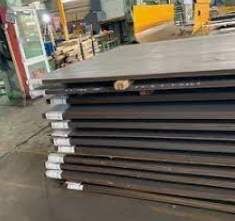
Material Verification: Confirm SPA-H steel complies with JIS G 3115 standards (key chemical composition: Cu 0.20–0.50%, Cr 0.30–1.25%, P 0.07–0.15%) to ensure inherent weather resistance. Avoid mixing with ordinary carbon steel during storage to prevent galvanic corrosion.
Surface Cleaning: Remove mill scale, loose rust, and oil residues from the steel surface before processing:
Use sandblasting (80–120 mesh aluminum oxide grit, 0.2–0.4 MPa pressure) for large batches, achieving a surface roughness of Ra 3–5 μm (ideal for uniform patina growth).
For small parts or localized cleaning, use a soft stainless steel wire brush (avoid hard steel brushes that cause deep scratches).
Degrease with isopropyl alcohol to eliminate oil from handling or cutting fluids-oil residues block oxidation and cause uneven patina.
2. Fabrication: Control Cutting, Bending & Welding Parameters
Cutting Quality Control
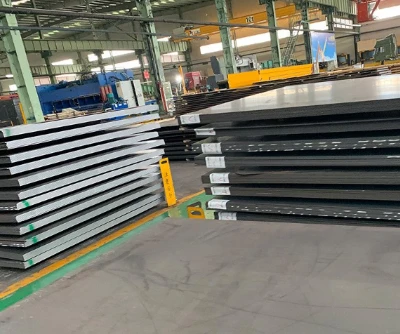
Laser cutting: Preferred for thin plates (≤10 mm) to get clean, burr-free edges; use nitrogen as an auxiliary gas to reduce oxide formation on cut surfaces.
Plasma cutting: Suitable for thick plates (>10 mm), but grind the cut edges with a #240 grit abrasive belt to remove heat-affected zones (HAZ) and slag-these zones are prone to localized corrosion.
Avoid oxy-fuel cutting for precision components, as it creates a thick, brittle oxide layer on edges.
Bending Process Optimization
For thick plates (>8 mm) or small bending radii (≤3× plate thickness): Adopt warm bending (150–200°C) to reduce residual tensile stress and avoid cracking; cold bending is only suitable for thin plates (<8 mm) with large radii (≥5× plate thickness).
Use polyurethane-coated dies to prevent surface scratches; limit the outer arc thinning rate to ≤5% to maintain structural integrity.
Welding Quality Assurance
Electrode Selection: Use weathering steel-specific electrodes (e.g., E7018-W, ER110S-G) that match SPA-H's alloy composition-this ensures the weld joint has the same corrosion resistance as the base metal.
Welding Parameters: Control heat input to 150–250 kJ/cm; use short arc welding to minimize HAZ width. Avoid overheating, which can reduce the steel's yield strength and patina uniformity.
Post-Weld Treatment: Grind weld seams smooth to eliminate stress concentration points; perform stress relief annealing (550–620°C, 1–2 hours per 25 mm thickness) for heavy-welded components to prevent stress corrosion cracking (SCC).
3. Post-Processing: Surface Treatment & Patina Control
Defect Repair: Inspect processed parts for scratches, dents, or weld defects; repair small scratches with fine sandpaper and reapply a water-based patina accelerator to ensure uniform oxidation.
Patina Acceleration (Optional but Recommended): For components requiring consistent color, apply a SPA-H-compatible accelerator (containing Cu²⁺, Cl⁻ ions) and cure in a controlled environment (20–30°C, 70–90% RH) for 3–5 days-this skips the uneven natural weathering phase.
Sealing for Harsh Environments: Apply a transparent fluorocarbon-based breathable sealant to parts used in coastal or industrial areas; this locks in the patina and extends service life without compromising the material's rustic aesthetic.

4. Final Inspection: Quality Verification
Mechanical Property Testing: Check tensile strength (≥480 MPa), yield strength (≥345 MPa), and elongation (≥20%) of processed parts to ensure compliance with SPA-H standards.
Corrosion Resistance Check: Conduct a salt spray test (5% NaCl solution, 35°C) for 200 hours-parts should form a dense, uniform patina without significant pitting or rusting.
Surface Quality Inspection: Verify that the surface is free of deep scratches, oil residues, or uneven patina; ensure weld joints are smooth and corrosion-resistant.


