


If your project will be exposed to outdoor weather for decades, ASTM A709 Grade 50W Weathering Steel is generally the better choice because it combines a minimum yield strength of 345 MPa (50 ksi) with atmospheric corrosion resistance that can reduce steel loss by about 4–8 times compared with ordinary carbon steel in many industrial and rural environments.
Unlike ASTM A36 Carbon Steel, which normally requires regular painting for long-term outdoor service, A709 Grade 50W develops a protective oxide layer that slows further corrosion when used under suitable wet-dry exposure conditions.
On the other hand, ASTM A36 remains one of the most economical structural steels for indoor buildings, machinery, and welded fabrications where corrosion resistance is not the primary concern.
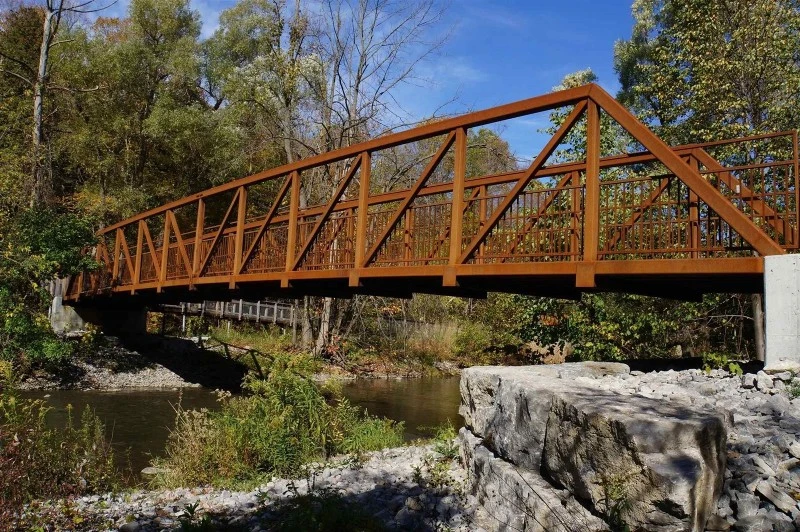
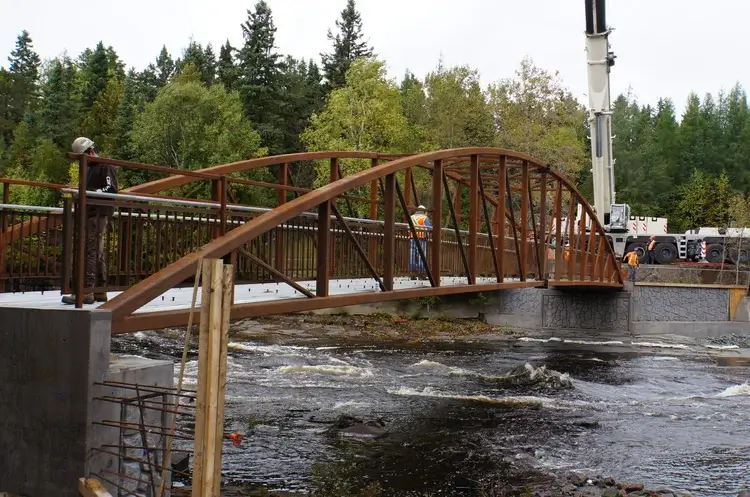
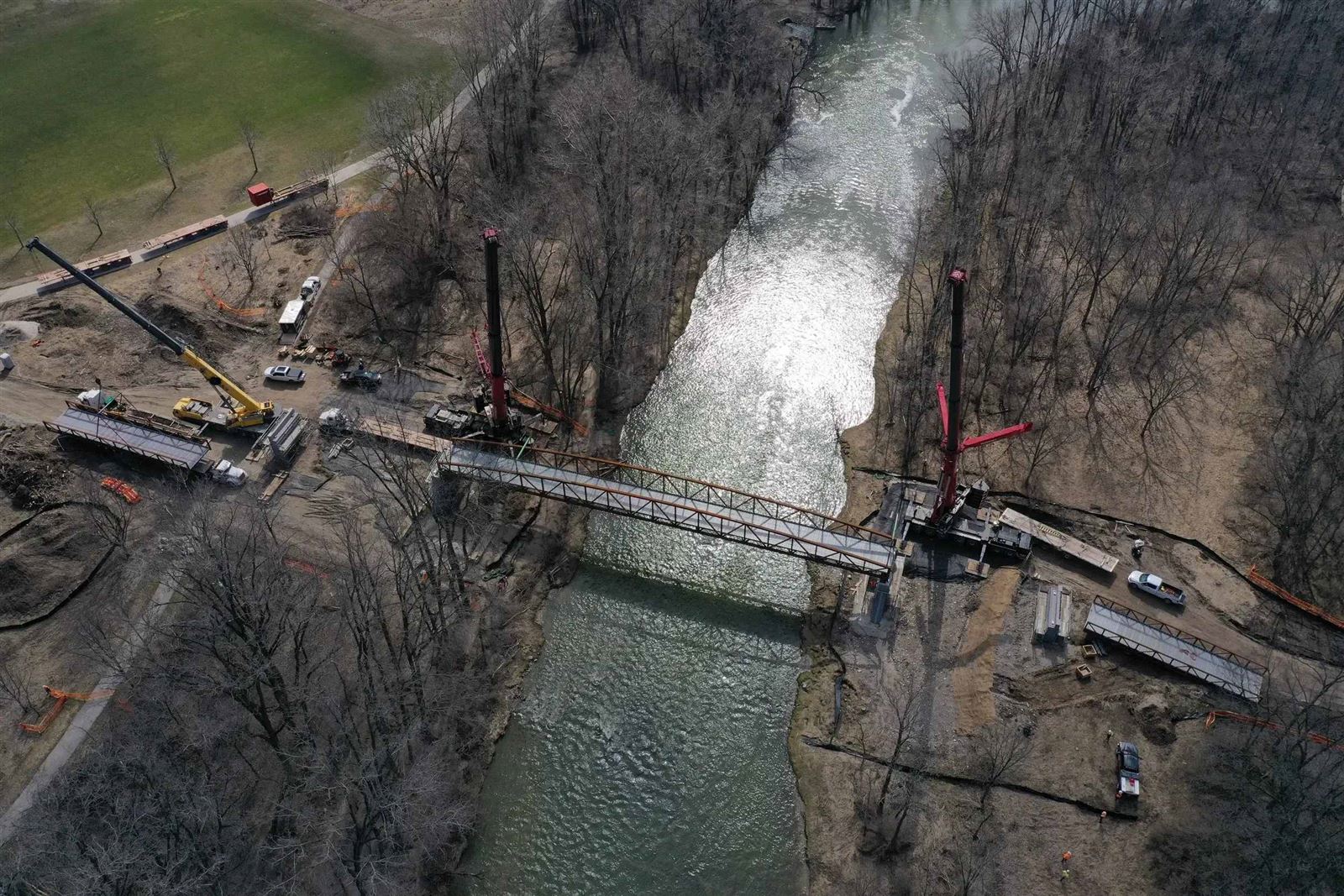
For bridge construction, highway infrastructure, weathering steel buildings, retaining walls, and transportation projects, ASTM A709 Grade 50W weathering steel plate usually offers a lower maintenance cost throughout its service life despite its higher initial purchase price.
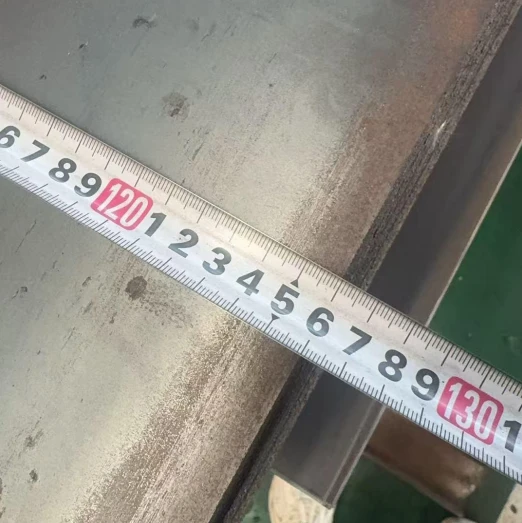
GNEE supplies plates up to 150 mm thick with custom cutting, drilling, blasting, and export packaging for worldwide delivery.
Contact now to get the quote of ASTM A709 Grade 50W plates certified to ASTM standards
What Is ASTM A709 Grade 50W Steel?
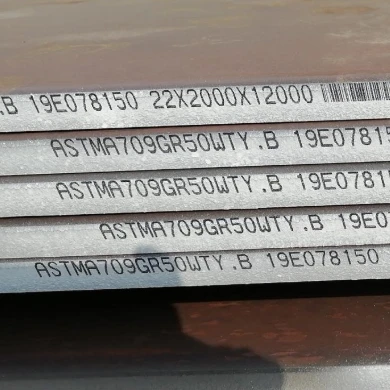
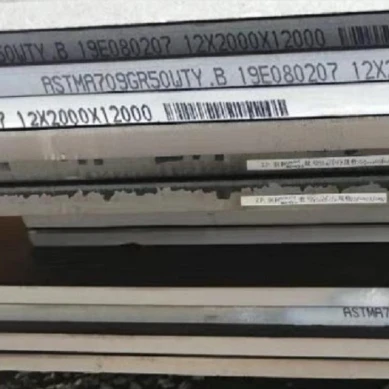
ASTM A709 Grade 50W Corten Steel is a high-strength low-alloy (HSLA) weathering steel developed specifically for bridges and transportation infrastructure.
Besides providing a minimum yield strength of 345 MPa, it contains alloying elements such as copper, chromium, nickel, and phosphorus that enable the steel surface to form a dense protective patina after repeated wetting and drying cycles.
GNEE supplies ASTM A709 Grade 50W steel plates in multiple thicknesses with CNC flame cutting and customized fabrication according to customer drawings.
What Is ASTM A36 Steel?
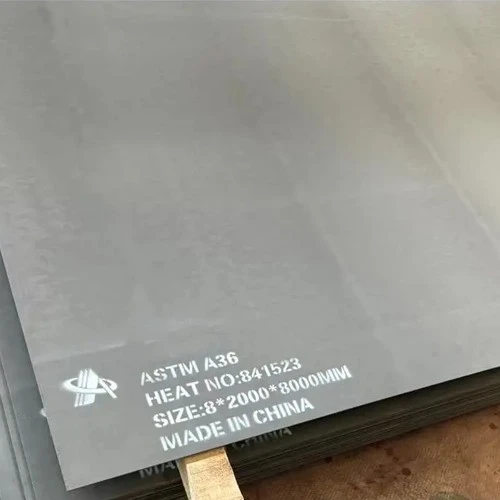
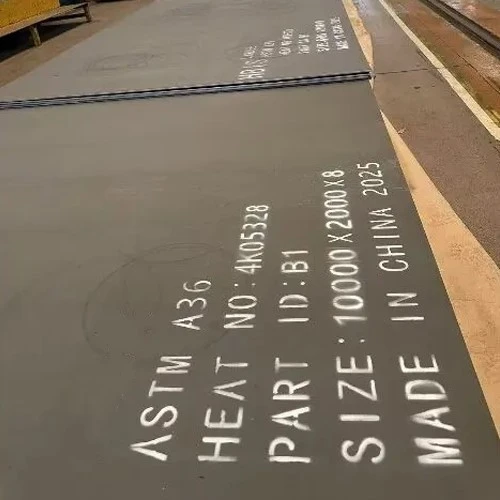
ASTM A36 carbon steel is one of the world's most commonly used carbon structural steels. With a minimum yield strength of 250 MPa, ASTM A36 provides sufficient mechanical performance for many general construction applications, including warehouse structures, factory buildings, machinery bases, equipment supports, and welded fabrications.
However, unlike weathering steel, ASTM A36 contains only small amounts of alloying elements that improve atmospheric corrosion resistance.
When exposed to outdoor environments without protective coatings, oxidation continues throughout the steel's service life. In humid coastal or industrial atmospheres, visible rust can develop within weeks, making painting or galvanizing necessary for long-term durability.
Specification of ASTM A709 Grade 50W corten steel and ASTM A36 carbon steel
| Property | ASTM A709 Grade 50W | ASTM A36 |
|---|---|---|
| Steel Type | HSLA Weathering Steel | Carbon Structural Steel |
| Standard | ASTM A709/A709M | ASTM A36/A36M |
| Minimum Yield Strength | 345 MPa (50 ksi) | 250 MPa (36 ksi) |
| Minimum Tensile Strength | 485–620 MPa | 400–550 MPa |
| Atmospheric Corrosion Resistance | About 4–8× carbon steel | Standard |
| Weathering Ability | Yes | No |
| Typical Service Life | 50–100 years (proper environment) | Depends on coating maintenance |
| Painting Requirement | Optional in many bridge applications | Usually Required |
| Main Applications | Bridges, Infrastructure, Outdoor Structures | Buildings, Equipment, Frames |
| Initial Material Cost | Higher | Lower |
| Lifetime Maintenance Cost | Lower | Higher |
A709 Grade 50W Weathering Steel vs A36 Carbon Steel: Chemical Composition
| Element | ASTM A709 Grade 50W Weathering Steel (%) | ASTM A36 Structural Steel (%) |
|---|---|---|
| Carbon (C) | ≤0.19 | ≤0.26 |
| Silicon (Si) | 0.15–0.40 | ≤0.40 |
| Manganese (Mn) | 0.80–1.25 | ≤1.20 |
| Phosphorus (P) | 0.07–0.15 | ≤0.04 |
| Sulfur (S) | ≤0.05 | ≤0.05 |
| Copper (Cu) | 0.20–0.55 | Not specified / typically low |
| Chromium (Cr) | 0.40–0.70 | Not specified |
| Nickel (Ni) | ≤0.65 | Not specified |
| Vanadium (V) | ≤0.10 | Not specified |
ASTM A36 mainly relies on carbon and manganese to achieve its mechanical properties. Carbon content generally remains below 0.26%, which helps maintain good weldability but provides limited corrosion resistance.
ASTM A709 Grade 50W introduces carefully controlled additions of copper (typically ≥0.20%), chromium, nickel, and phosphorus. These alloying elements work together to produce the protective weathering layer that slows atmospheric corrosion after long-term exposure.
GNEE can provide EN 10204 3.1 certificates and third-party inspection reports with every shipment.
Contact now to get ASTM A709 Grade 50W chemical composition certificates
ASTM A709 Grade 50W vs ASTM A36: Mechanical Properties
ASTM A709 Grade 50W provides a minimum yield strength of 345 MPa (50 ksi) and a tensile strength ranging from 485 to 620 MPa (70–90 ksi). In comparison, ASTM A36 has a minimum yield strength of 250 MPa (36 ksi) and a tensile strength of 400 to 550 MPa (58–80 ksi).
A709 Grade 50W offers approximately 38% higher minimum yield strength than ASTM A36. For bridge girders, cross beams, and heavy structural members, the higher strength allows engineers to reduce section size or plate thickness while maintaining the required load-bearing capacity.
In many bridge projects, this translates into lower structural weight, fewer supporting members, and more efficient transportation and installation.
| Mechanical Property | ASTM A709 Grade 50W | ASTM A36 |
|---|---|---|
| Yield Strength | ≥345 MPa (50 ksi) | ≥250 MPa (36 ksi) |
| Tensile Strength | 485–620 MPa | 400–550 MPa |
| Elongation (Typical) | 18–21% | 20–23% |
| Structural Efficiency | Higher | Standard |
| Suitable for Heavy Bridge Loads | Yes | Limited |
GNEE supplies ASTM A709 Grade 50W plates with full mechanical testing reports, ultrasonic inspection, and customized cutting to help reduce fabrication time and material waste.
ASTM A709 Grade 50W vs ASTM A36: Corrosion Resistance
ASTM A36 behaves like conventional carbon steel. Once the surface coating is damaged or wears away, oxygen and moisture continue reacting with the steel, causing corrosion to penetrate deeper over time. Without periodic repainting, section loss gradually increases, particularly in industrial, humid, or coastal environments.
ASTM A709 Grade 50W follows a different corrosion mechanism. During repeated wet and dry cycles, the copper-, chromium-, and nickel-containing alloy forms a dense, tightly bonded oxide layer. This patina acts as a barrier that slows the diffusion of oxygen and moisture to the steel substrate, reducing the corrosion rate after the first few years of exposure.
For most inland bridge, highway, railway, and architectural applications, ASTM A709 Grade 50W offers a practical balance between durability and maintenance cost.
GNEE's technical team can recommend the right material based on climate, humidity, and service conditions before production begins.
ASTM A709 Grade 50W vs ASTM A36 Weldability and Fabrication
ASTM A36 is frequently used for general construction, machinery frames, warehouse buildings, and equipment supports. Its relatively low carbon content helps minimize the risk of cracking during welding, and it is compatible with common welding processes such as SMAW, GMAW, FCAW, and SAW.
STM A709 Grade 50W is also designed to be weldable, but because it is used in critical bridge structures, fabrication generally follows stricter welding procedures.
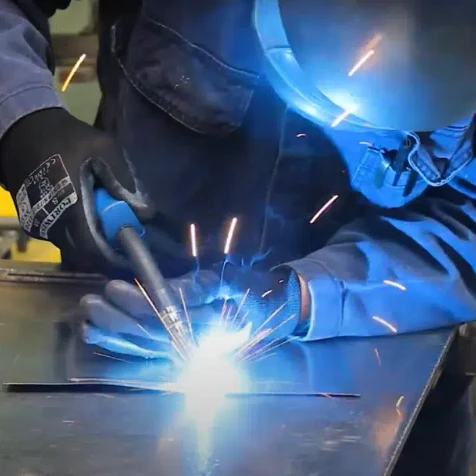
Matching weathering steel filler metals are typically recommended to ensure that welded joints develop corrosion resistance similar to the base material. Depending on plate thickness and ambient temperature, preheating may be required to control cooling rates and maintain weld quality.
From a machining perspective, both steels can be cut by plasma, laser, oxy-fuel, or waterjet methods. A709 Grade 50W may require slightly more cutting time because of its higher strength, but the difference is usually small in modern fabrication workshops.
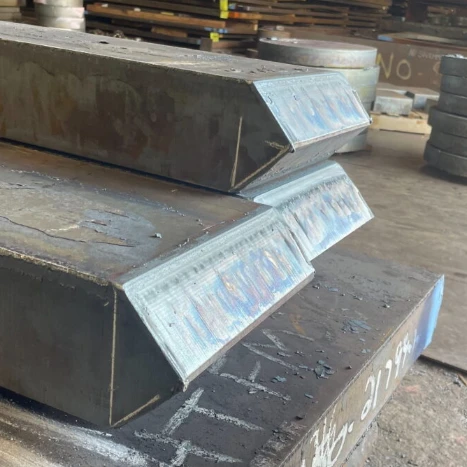
GNEE offers one-stop processing for ASTM A709 Grade 50W steel plates, including CNC cutting, beveling, drilling, shot blasting, welding preparation, and export-ready packaging, helping customers shorten project lead times.
ASTM A709 Grade 50W vs ASTM A36: Applications Comparison
The application difference between ASTM A709 Grade 50W and ASTM A36 mainly comes from their different design purposes. ASTM A36 is a general structural steel, while ASTM A709 Grade 50W was developed specifically for transportation infrastructure where strength, durability, and reduced maintenance requirements are important.
Choosing the correct steel grade at the design stage can influence decades of maintenance costs. A higher-performance material such as ASTM A709 Grade 50W may require a higher initial purchase price, but the reduction in coating maintenance, labor costs, and downtime can improve overall project economics.
GNEE provides ASTM A709 Grade 50W steel plates for bridge and outdoor structural projects worldwide, supporting custom sizes, project quantities, and complete export documentation.
Contact now to get ASTM A709 Grade 50W Quote
ASTM A709 Grade 50W vs ASTM A36: Cost Comparison
ASTM A36 usually has a lower market price because it is produced in larger volumes and does not contain the alloying elements required for weathering performance. For short-term projects or structures protected by paint systems, this cost advantage can be important.
However, outdoor structures often require additional expenses after installation. A typical painted carbon steel structure may require surface preparation, repainting, inspection, and labor during its service life. Depending on environment and coating system, repainting cycles may occur every 10–20 years.
A709 Grade 50W has a higher initial material cost because of alloy additions such as copper, chromium, and nickel. However, when used correctly, it can reduce or eliminate many coating-related expenses. The savings become more noticeable for large infrastructure projects where maintenance requires traffic control, temporary access systems, labor teams, and operational interruptions.
For a bridge with thousands of square meters of steel surface area, avoiding even one major repainting project can represent substantial savings during the structure's service period.
ASTM A709 Grade 50W vs ASTM A36: Which Steel Should You Choose?
The choice between ASTM A709 Grade 50W and ASTM A36 depends on the project environment, structural requirements, and expected service life.
Choose ASTM A709 Grade 50W steel when:
- The structure is exposed outdoors for decades
- The project involves bridges or transportation infrastructure
- Reduced repainting requirements are important
- High strength-to-weight efficiency is needed
- A natural weathered appearance is desired
Choose ASTM A36 steel when:
- The structure is indoors or protected from weather exposure
- The project requires the lowest initial material cost
- Regular coating maintenance is acceptable
- The structural load requirements are moderate
- The steel will receive a protective coating system
ASTM A36 focuses on economical structural performance, while ASTM A709 Grade 50W focuses on long-term structural performance with atmospheric corrosion resistance.
For a temporary structure or indoor application, ASTM A36 may be the more economical option. For bridges, highways, and outdoor infrastructure expected to operate for 50 years or more, ASTM A709 Grade 50W is usually the more suitable material choice.
Why Choose GNEE as Your ASTM A709 Grade 50W Steel Supplier?
GNEE supplies ASTM A709 Grade 50W weathering steel plates for international customers with experience in bridge steel, construction steel, and customized fabrication.
Our ASTM A709 Grade 50W supply advantages include:
Factory Production and Quality Control
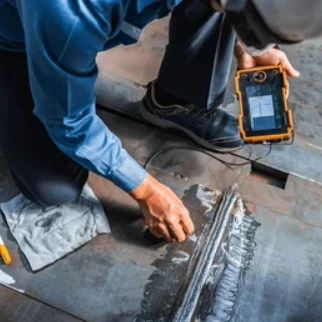
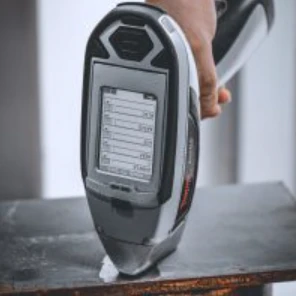
Each batch of ASTM A709 Grade 50W steel can be supplied with::
- Mill Test Certificate (MTC)
- Chemical composition analysis
- Mechanical property testing
- Ultrasonic testing reports
- Third-party inspection support
During production, steel plates are inspected from raw material selection to final shipment to ensure they meet project requirements.
Customized Processing Service
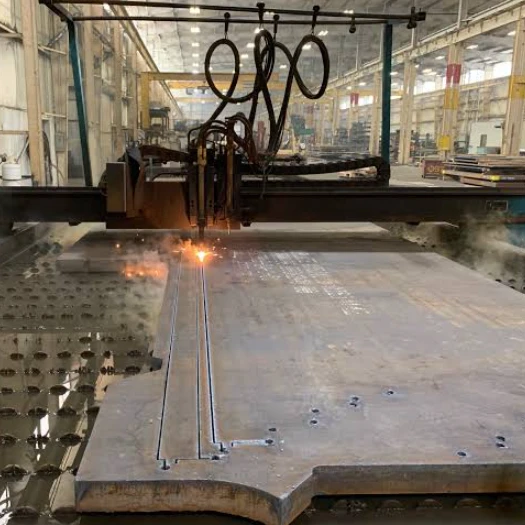
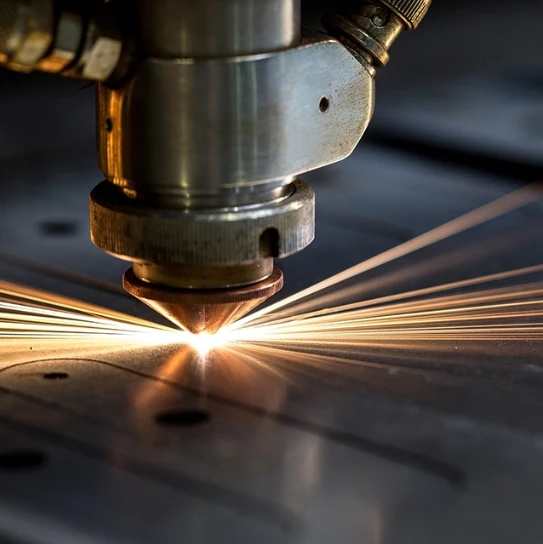
To reduce fabrication work at the customer's site, GNEE can provide:
- CNC flame cutting
- Plasma cutting
- Edge preparation
- Drilling
- Shot blasting
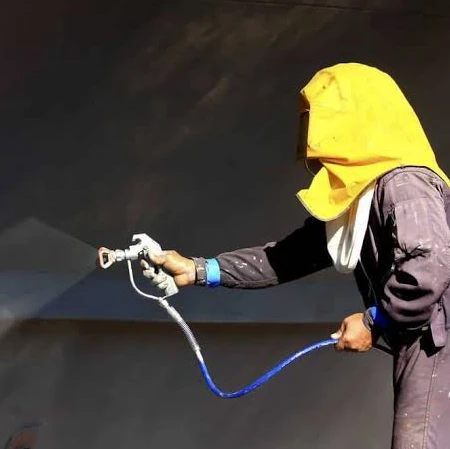
- Surface treatment
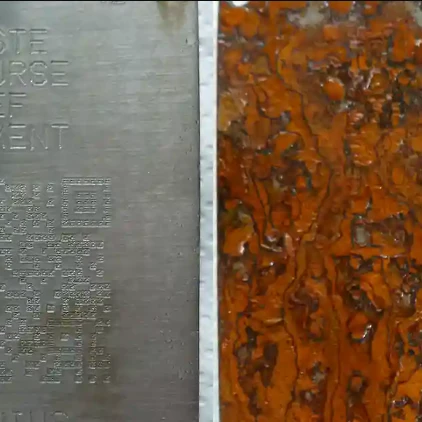
- Customized marking
This allows customers to receive steel plates closer to their final installation requirements.
Export Packaging and Global Delivery
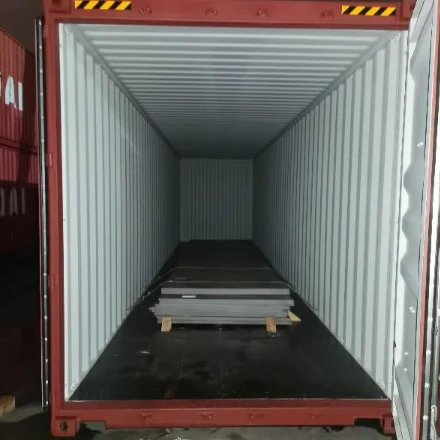
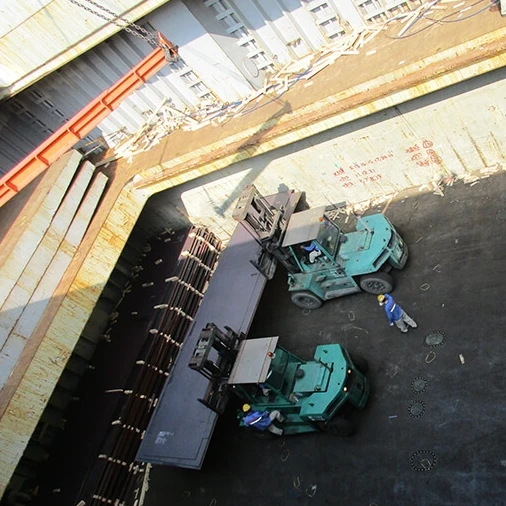
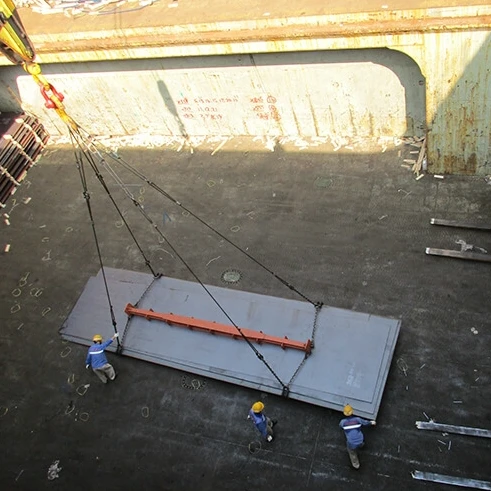
For international projects, ASTM A709 Grade 50W plates are packed according to export standards with moisture protection, steel strapping, and identification labels. GNEE coordinates logistics arrangements to support delivery to ports, construction sites, and fabrication facilities worldwide.
Request ASTM A709 Grade 50W steel plate pricing from GNEE today and receive technical support, material certificates, and customized supply solutions for your project.
Contact now to get ASTM A709 Grade 50W Stock list


