


Welders and engineers working with Q550NH Corten Steel often wonder if preheating is a must before welding. As a high-strength Corten Steel (yield ≥550MPa), it's critical to avoid welding defects like cold cracks, which can weaken structural integrity. Many assume all high-strength steels need preheating, but is this true for Q550NH? Does preheating depend on plate thickness or welding method, or is it unnecessary altogether? The core answer is clear: Q550NH Corten Steel does not require preheating for thin plates, but preheating is essential for thicker plates-its necessity depends on plate thickness and welding type, not a one-size-fits-all rule. Below is a concise, actionable guide.
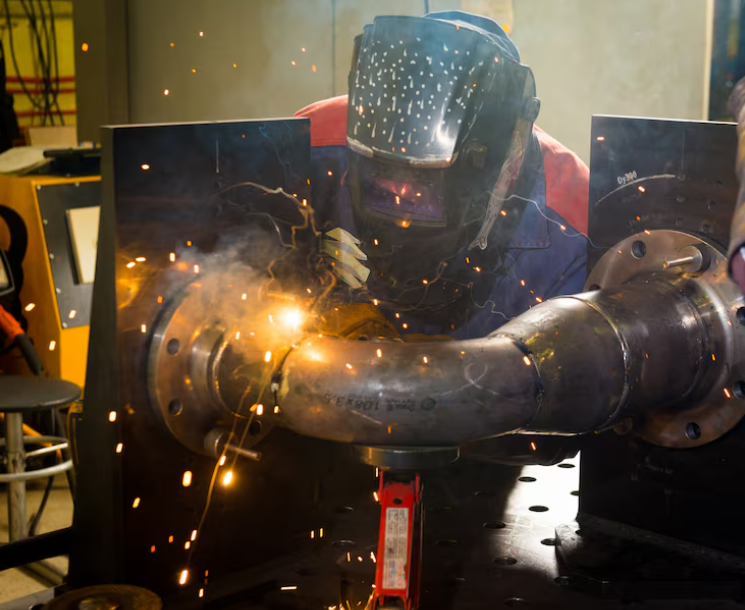
Why Preheating Matters (Simple, No Jargon)
Preheating before welding slows the cooling speed of Q550NH's weld area. For high-strength steel like Q550NH, rapid cooling after welding creates internal stress, leading to cold cracks (tiny, hard-to-detect defects that ruin structural strength). Preheating also removes moisture from the steel surface, preventing porosity in the weld-ensuring the joint retains Q550NH's full strength and corrosion resistance.
When Preheating Is Needed (By Thickness & Welding Method)
The decision to preheat depends on two practical factors-plate thickness and welding method. Follow this guide to avoid mistakes:
Plate Thickness <20mm: No Preheating Needed
Suitable for: MIG, TIG, or arc welding (most common for thin Q550NH plates).
Why: Thin plates cool more slowly naturally, and the heat from welding is enough to prevent internal stress. Preheating here wastes time and adds unnecessary cost.
Plate Thickness 20–40mm: Recommended Preheating
Preheating Temperature: 80–100℃ (uniformly heat the weld area 50–100mm around the joint).
Why: Thicker plates retain less welding heat and cool faster-preheating reduces stress and cold crack risk.
Plate Thickness >40mm: Mandatory Preheating
Preheating Temperature: 100–120℃ (use a temperature gauge to ensure uniformity).
Why: Ultra-thick plates cool extremely fast, creating high internal stress-preheating is the only way to avoid cold cracks and ensure weld quality.

Practical Preheating Tips (Cost-Effective & Easy)
Use the right tool: For small areas, use a propane torch; for large projects or thick plates, use an electric heating blanket for uniform heating.
Avoid overheating: Exceeding 150℃ can weaken Q550NH's mechanical properties (yield ≥550MPa) and damage its corrosion-resistant surface.
Maintain temperature during welding: Keep the preheated area at the target temperature until welding is complete-don't let it cool down halfway.
Common Mistake to Avoid
Don't skip preheating for thick plates to save time-cold cracks may not appear immediately but will weaken the joint over time, leading to costly repairs or project failure. Conversely, don't preheat thin plates unnecessarily-it wastes resources and doesn't improve weld quality.

In short, Q550NH Corten Steel's preheating requirement depends on plate thickness: thin plates (<20mm) need no preheating, while thick plates (≥20mm) require it to prevent defects. By following this simple rule, you'll ensure strong, durable welds that retain Q550NH's high strength and corrosion resistance.


