


Industrial high-pollution environments-filled with sulfur dioxide, acidic dust, heavy metal particles, and chemical fumes-pose a unique threat to S355K2W Corten Steel. Unlike natural atmospheric conditions where it forms a stable protective patina, pollutants can infiltrate and break down this rust layer, triggering localized corrosion and reducing service life. For facility managers and engineers, a critical question arises: Does S355K2W require regular maintenance in such environments, and what are the key points? The definitive answer, rooted in industrial corrosion practice and Corten Steel properties, is clear: Yes, regular maintenance is mandatory; the core points focus on patina cleaning, damage repair, and pollutant isolation to preserve the protective rust layer. Below is a concise, actionable breakdown.
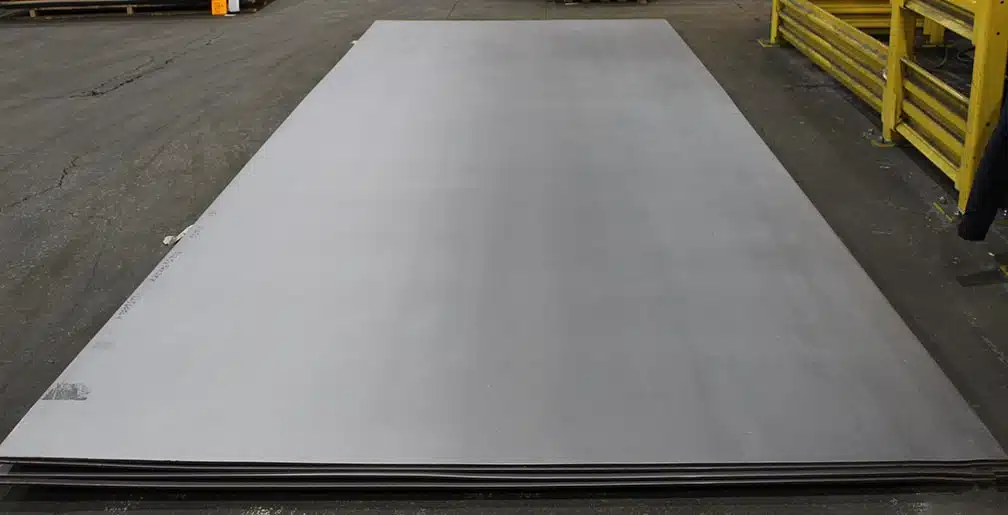
Key Background: How High Pollution Damages S355K2W
S355K2W's weather resistance relies on a dense, Cu/Cr-rich patina that blocks oxygen and moisture. In high-pollution environments, this balance is disrupted by two main mechanisms:
Acidic pollutants (e.g., sulfur dioxide from coal combustion) react with the patina, forming soluble salts that wash away with rain, leaving a loose, porous rust layer unable to protect the substrate.
Particulate pollutants (e.g., metal dust, ash) accumulate on the surface, trapping moisture and creating "localized corrosion cells"-accelerating rusting beneath the debris.
Without maintenance, these issues escalate from surface corrosion to deep pitting, ultimately compromising the steel's mechanical strength and low-temperature toughness.
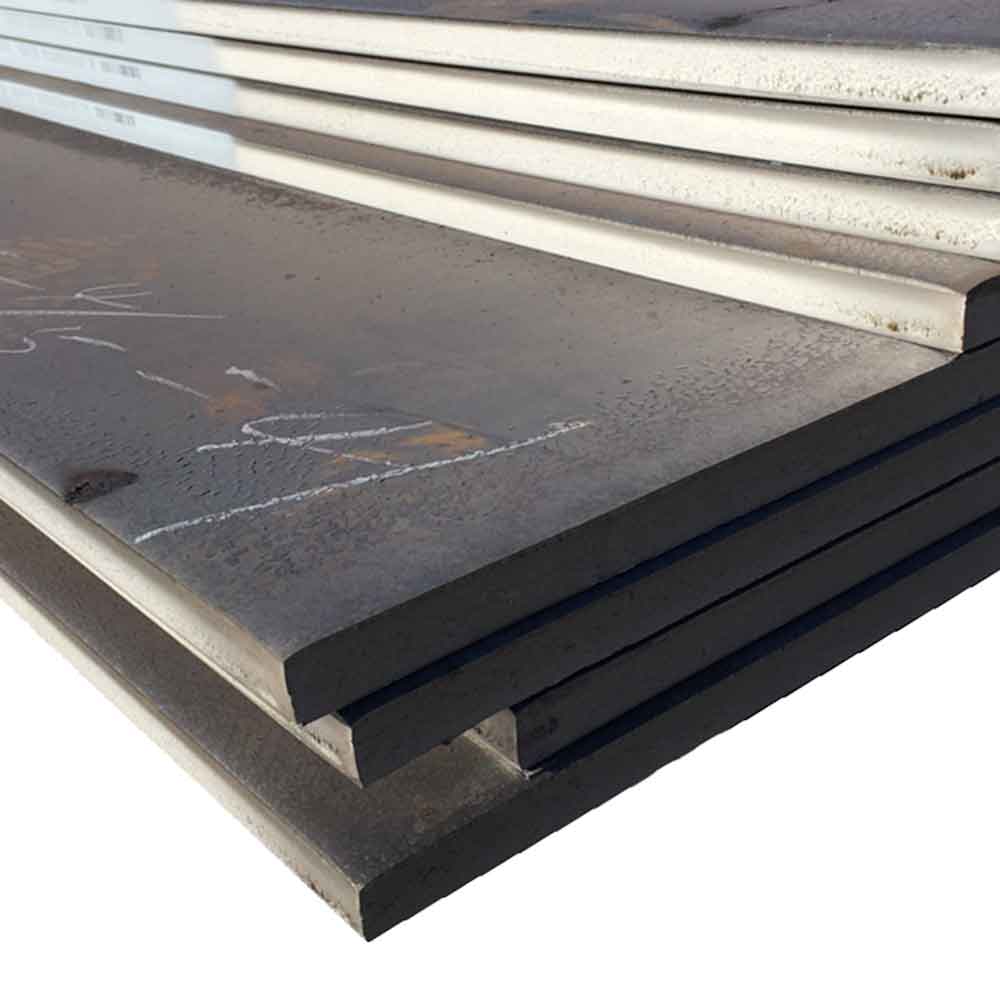
Core Maintenance Points: Phased & Targeted
Maintenance for S355K2W in high-pollution environments is phased, focusing on preserving the existing patina rather than removing it entirely. Key points vary by service stage:
1. Initial Stage (1-2 Years: Patina Formation Period)
This stage focuses on helping form a uniform patina while removing harmful pollutants:
Regular Cleaning: Clean the surface every 3-6 months with high-pressure fresh water (20-30 MPa) to remove accumulated dust, ash, and soluble salts. Avoid abrasive cleaners (e.g., steel wool) or acidic/alkaline detergents-they damage the developing patina.
Drainage Optimization: Ensure structural components (e.g., beams, panels) have proper drainage to prevent standing water, which traps pollutants and accelerates corrosion.
2. Stable Stage (2+ Years: Patina Matured)
Once a uniform patina forms, maintenance shifts to inspection and targeted repair:
Periodic Inspection: Conduct visual and tactile inspections every 6-12 months. Check for signs of patina damage (flaking, discoloration), pitting corrosion, or pollutant buildup in crevices.
Localized Repair: For damaged patina (e.g., scratches, flaking areas <0.5m²), gently clean the area with fresh water, let it dry naturally, and apply a Corten-compatible touch-up primer (e.g., acrylic-based rust converter) to accelerate new patina formation. Avoid full-surface coating-this blocks natural patina development.
Crevice Cleaning: Use a soft brush to remove debris from weld seams, bolt connections, and structural crevices-these are high-risk areas for pollutant accumulation.
3. High-Risk Area Reinforcement
For components near pollution sources (e.g., chimneys, chemical tanks), add these targeted measures:
Pollutant Isolation: Install protective screens (e.g., corrosion-resistant mesh) to reduce direct exposure to chemical fumes or dust.
Frequent Cleaning: Shorten cleaning intervals to 1-2 months for areas directly downwind of pollution sources.
Temporary Coating for Extreme Pollution: For highly corrosive environments (e.g., chemical plants), apply a thin, breathable polyurethane topcoat to the mature patina-renew every 3-5 years to balance protection and patina integrity.
Critical Maintenance Taboos to Avoid
Incorrect maintenance can do more harm than good. Steer clear of these common mistakes:
Avoid abrasive cleaning or sandblasting: This removes the protective patina entirely, forcing the steel to restart patina formation and increasing corrosion risk.
Do not use high-concentration chemical cleaners: Acids, alkalis, or strong solvents dissolve the patina and damage the steel substrate.
Avoid permanent full-surface coatings: Sealed coatings trap moisture and pollutants beneath the surface, causing hidden corrosion.
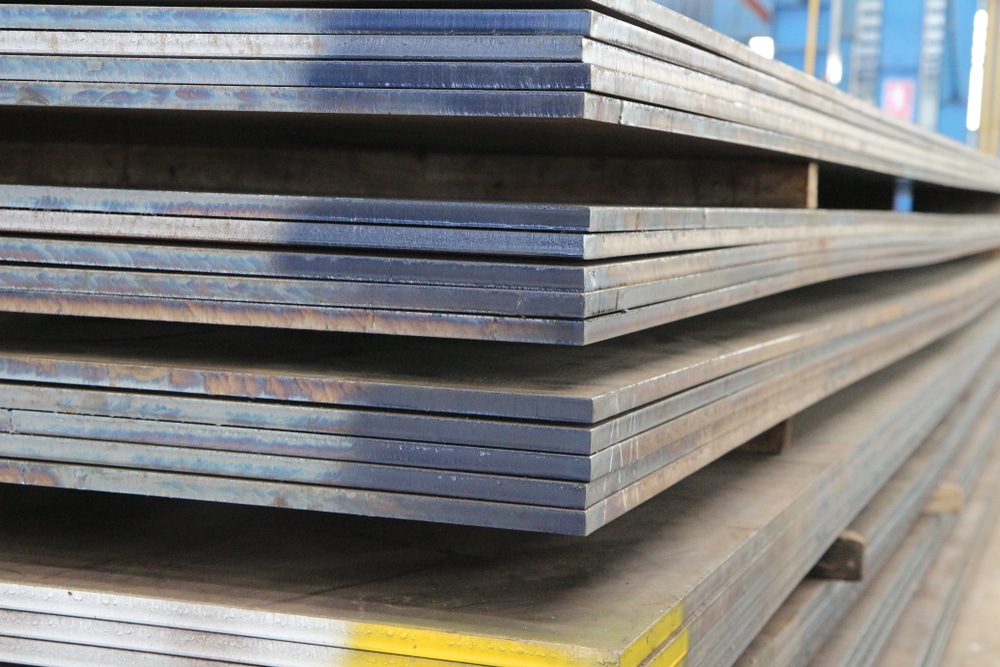
Summary of Maintenance Principles
In industrial high-pollution environments, S355K2W Corten Steel cannot rely solely on its natural patina-regular maintenance is essential to preserve performance. The core principle is "preserve, don't replace" the patina: focus on removing harmful pollutants, repairing local damage, and isolating high-risk areas. By following these targeted measures, S355K2W can maintain its weather resistance and structural integrity, even in harsh industrial conditions.


