


Corten steel bridge grating is an open-grid steel flooring solution manufactured from weathering steel. It is designed for selected bridge deck applications, pedestrian bridges, outdoor boardwalks, and infrastructure projects where drainage, structural performance, and architectural appearance are important.
Compared with solid steel bridge deck plates, open bar grating provides spaces between the bearing bars, allowing rainwater and debris to pass through the surface when the design and drainage arrangement permit. This helps reduce water accumulation on the walking surface and provides an open, lightweight visual appearance.

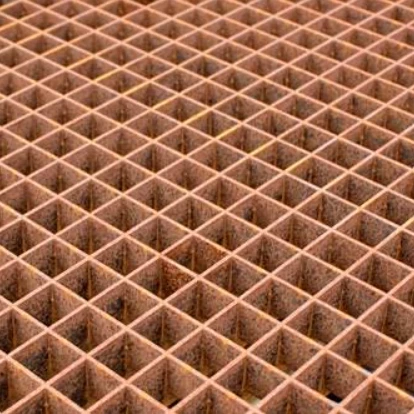
At Gnee, we can discuss customized Corten steel bridge grating based on your project drawings and technical requirements. Available design considerations include weathering steel grades, bearing bar dimensions, cross bar spacing, panel length and width, surface profiles, edge treatment, and fixing details.
Applications of Corten Steel Bridge Grating
Pedestrian Bridges and Footbridges
Corten bridge gratings can be used as open-grid walking surfaces on suitable pedestrian bridges and footbridges. The grating structure provides a defined walking surface while allowing water to drain through the openings, helping reduce standing water after rainfall.
For pedestrian bridge applications, the opening size, bearing bar spacing, surface texture, and panel connections should be carefully considered. The design should provide a comfortable and safe walking surface while meeting the required structural load and deflection limits.
Bridge Deck Flooring and Drainage Systems
Corten steel bridge deck grating can be considered for bridge deck areas where an open-grid flooring system is required. Its open structure allows water to pass through the deck surface, which can help reduce surface water accumulation when integrated with a properly designed drainage system.
For bridge deck projects, the grating must be coordinated with the bridge's supporting beams, cross members, and connection system. Bearing bar direction, panel span, support spacing, and fixing methods all influence the final structural performance.
The design should also consider whether the grating is intended for pedestrian traffic, maintenance vehicles, or other service loads. Bridge deck grating exposed to vehicle wheel loads requires specific structural verification and should not be selected solely based on standard pedestrian-grating specifications.
Corten Steel Boardwalks and Waterfront Walkways
Corten boardwalk steel grating is suitable for selected outdoor boardwalks, park walkways, waterfront paths, and landscape bridges. The open-grid design allows rainwater to drain through the walking surface, while the weathered steel appearance blends naturally with surrounding landscapes.
For waterfront projects, material selection requires particular attention. Salt exposure, persistent moisture, and frequent wetting can affect the formation and stability of the protective patina. In marine or highly saline environments, the suitability of weathering steel should be assessed carefully before specifying the material.
The panel design can be customized according to the boardwalk width, support structure, required walking clearance, and installation method. For public walkways, opening dimensions and slip-resistance requirements should also be checked against applicable accessibility and safety standards.
Bridge Maintenance Platforms and Inspection Walkways
Bridge maintenance platforms and inspection walkways require stable access surfaces for inspection personnel and maintenance equipment. Corten steel bar grating can be considered for suitable outdoor inspection areas where drainage, ventilation, and access to underlying structural components are required.
The bearing bar dimensions, panel span, and support arrangement should be selected according to the expected maintenance loads. Where inspection carts, lifting equipment, or concentrated loads are involved, the grating design must be checked against the corresponding loading conditions.
Landscape Bridges and Architectural Bridges
Corten steel bridge grating can also serve as a functional and decorative flooring element in landscape bridges and architectural structures.
Architectural bridge projects may require non-standard panel shapes, curved edges, custom openings, or specially arranged grid patterns. These details can be discussed according to the design drawings and confirmed fabrication capabilities.
For projects where appearance is as important as structural function, the panel layout, joint positions, edge treatment, and weathering steel finish should be coordinated with the overall architectural design.


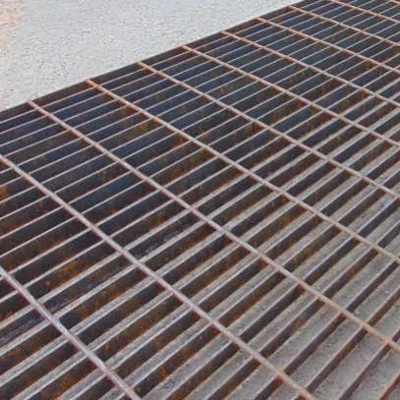

Weathering Steel Materials for Bridge Grating
Gnee can discuss the following weathering steel grades as potential material options, subject to availability, required product thickness, applicable standards, and fabrication feasibility.
| Material Grade | Standard |
|---|---|
| ASTM A588 Grade A / B | ASTM A588 |
| ASTM A242 | ASTM A242 |
| ASTM A709 Grade 50W | ASTM A709 |
| Corten B | Depending on specified product standard |
| SPA-H | JIS G 3125 |
| S355J0WP / S355J2W | EN 10025-5 |
Corten Steel Bridge Grating Specifications and Custom Dimensions
The performance of Corten steel bridge deck grating depends on its structural configuration. Bearing bar height and thickness, bearing bar pitch, cross bar spacing, panel span, and support conditions all need to be considered when determining the final specification.
Gnee can discuss customized specifications according to project drawings and confirmed manufacturing capabilities. The following table provides preliminary industry reference dimensions for technical communication.
| Specification | Reference options |
|---|---|
| Bearing bar height | 25, 30, 32, 40, 50 mm and other project-specific options |
| Bearing bar thickness | 3, 5, 6 mm and other available options |
| Bearing bar pitch | 30, 34, 40, 60 mm |
| Cross bar pitch | 50, 100 mm |
| Panel length | Customized according to project drawings |
| Panel width | Customized according to bridge deck layout |
| Surface type | Plain or serrated bearing bars |
| Edge treatment | Edge banding, cut-outs, and custom shapes |
Bearing Bar Spacing and Mesh Opening
Bearing bar pitch refers to the center-to-center distance between adjacent bearing bars, while the clear opening is the actual space between them. These two measurements should not be confused when specifying Corten steel bridge grating.
For example, if the bearing bar pitch is 30 mm and the bearing bar thickness is 5 mm, the nominal clear opening is approximately 25 mm. A different bar thickness will result in a different opening even when the pitch remains unchanged.
For pedestrian bridges and boardwalks, the clear opening should be selected according to pedestrian safety, accessibility requirements, and the intended use. Smaller openings may be required for areas where small wheels or mobility aids are expected.
Custom Panel Length and Width
The length and width of bridge grating panels should be designed according to the bridge deck layout and support structure. Custom panel dimensions can help reduce unnecessary joints and improve installation coordination.
For long bridge decks, panel segmentation, transportation limits, lifting arrangements, and installation sequence should be considered. The maximum practical panel size should be confirmed with the manufacturer and the project installation team.
Fabrication Methods for Corten Steel Bridge Grating
Press-Welded Bar Grating
Press-welded bar grating is manufactured by joining bearing bars and cross bars at their intersections using a pressure-welding process. It provides an integrated grid structure and is commonly used for industrial flooring, platforms, walkways, and other applications where the selected configuration meets the required design conditions.
For bridge grating, the bearing bar section, cross bar dimensions, weld quality, and panel geometry should be confirmed according to the project requirements and the manufacturer's production capabilities.
Press-Locked Bar Grating
Press-locked grating is manufactured by mechanically pressing the connecting bars into the bearing bars to create a grid structure. Depending on the design, it may be considered for architectural bridge features, decorative platforms, and selected walkway applications.
The suitability of press-locked grating for bridge applications depends on the bar geometry, material properties, connection design, and required structural performance. The manufacturing method should be confirmed before specifying the product.
Cutting, Edge Banding, and Custom Openings
Bridge projects often require grating panels to match non-standard deck dimensions and supporting structures. Custom fabrication may include panel cutting, edge banding, notches, openings, and special panel shapes.
Openings may be required around bridge posts, drainage outlets, pipes, or structural connections. These details should be clearly marked on the project drawings because cut-outs can influence the load distribution and structural integrity of the grating panel.
Serrated and Plain Bearing Bars
Plain bearing bars provide a relatively flat walking surface, while serrated bearing bars feature a textured profile that may improve traction under certain conditions.
For outdoor bridges exposed to rain, snow, or moisture, surface selection should consider the expected environmental conditions and maintenance requirements. The final slip-resistance performance should be specified and verified rather than assumed from the surface profile alone.
Load Capacity and Safety Requirements for Bridge Grating
Bridge grating is a structural flooring component, so load capacity must be evaluated according to the actual bridge design. The material grade alone does not determine the load rating. Bearing bar height, thickness, spacing, unsupported span, support conditions, connection details, and load type all affect the final result.
For pedestrian bridge grating, the design should consider pedestrian loading, potential crowd loading, deflection limits, and the relevant bridge design requirements. For maintenance or vehicle-access areas, concentrated loads and wheel loads may also need to be considered.
Why Choose Gnee for Corten Steel Bridge Grating?
Customized Material Selection
Different bridge projects may specify different weathering steel grades and material standards. Gnee can discuss suitable material options according to the required grade, thickness, technical specification, and supply conditions.
Flexible Panel Dimensions and Grid Design
Bridge deck layouts are not always standard rectangles. Gnee can review project drawings and discuss customized panel lengths, widths, bar spacing, openings, and edge configurations according to manufacturing feasibility.
Multiple Fabrication Options
Depending on the confirmed production capabilities, fabrication requirements may include press-welded or press-locked construction, cutting, edge banding, serrated surfaces, and customized openings.
Project-Based Technical Communication
Bridge grating requires coordination between material selection, structural design, and installation details. By reviewing drawings and technical requirements, Gnee can help clarify the information needed to develop a suitable product specification and quotation.
Request a Quote for High-Quality Corten Steel Bridge Grating
Looking for high-quality Corten steel bridge grating for pedestrian bridges? Gnee offers project-based customization discussions covering weathering steel material grades.
Whether you need corten bridge grating, we can review your project requirements and discuss a customized solution based on the intended application.
Send us your bridge drawings, dimensions, and technical requirements to request a quotation.


