


Low-temperature environments-where temperatures drop below freezing (0°C/32°F) for extended periods-pose a critical challenge for structural steel: brittleness. When steel gets too cold, it loses ductility, making it prone to cracking under sudden loads or stress. SMA400BW Corten Steel, certified to JIS G 3114:2022, is engineered for atmospheric corrosion resistance, but how does it hold up in cold climates? Understanding its low-temperature performance helps project teams avoid premature failure and ensure structural safety in frigid conditions.
Below is a clear, lightweight guide to SMA400BW's performance in low-temperature environments, grounded in JIS standards, real-world data, and practical actionable advice.

First: Why Low Temperatures Impact Corten Steel
Most structural steels, including some Corten grades, become brittle when exposed to temperatures below 0°C. This brittleness-known as "cold brittleness"-reduces the steel's ability to absorb impact or handle stress, increasing the risk of sudden cracking. For SMA400BW, its JIS-mandated chemical composition and mechanical properties are key to mitigating this risk, but it has clear performance limits in extreme cold.
SMA400BW's Low-Temperature Performance (JIS G 3114:2022 Standards)
JIS G 3114:2022 specifies SMA400BW's low-temperature capabilities, which are tailored to mild-to-moderate cold climates (not extreme sub-zero conditions):
Impact Toughness at 0°C: Per JIS requirements, SMA400BW has a minimum impact toughness of 27 Joules (J) at 0°C (Charpy V-notch test). This means it can absorb enough energy to resist brittle fracture at freezing temperatures, making it suitable for regions with occasional or moderate cold.
Performance Below 0°C: When temperatures drop to -10°C to -20°C, SMA400BW's impact toughness gradually decreases (to ~15–20J). While it still resists brittle fracture for light loads, it is not designed for prolonged exposure to temperatures below -20°C.
Brittleness Risk at -20°C+: Below -20°C, SMA400BW's ductility drops significantly, increasing the risk of cracking under dynamic loads (e.g., wind, snow, or minor impacts). JIS G 3114:2022 does not recommend it for permanent use in these extreme conditions.

Ideal Low-Temperature Environments for SMA400BW
SMA400BW performs reliably in mild-to-moderate cold climates, including:
Temperate regions with winter temperatures ranging from -10°C to 0°C (e.g., parts of Europe, North America, and Asia).
Areas with short cold seasons (1–3 months of freezing temperatures) and no prolonged exposure to sub-zero extremes.
Outdoor structures with light-to-moderate loads (e.g., pedestrian bridges, building framing, canopies) that don't face heavy snow or extreme wind stress.
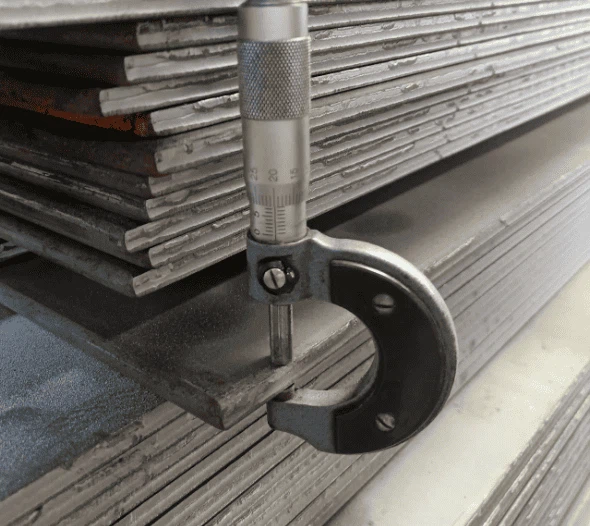
Practical Tips to Optimize SMA400BW in Low-Temperature Areas
If your project is in a mild-to-moderate cold climate, these steps will enhance SMA400BW's low-temperature performance:
Avoid Sharp Bends: Use larger bending radii (per JIS guidelines: 1.5× thickness for ≤10mm steel) to reduce stress points, which are more prone to cracking in cold weather.
Use Weathering-Matched Welds: Welded joints are weaker in cold temperatures-use Corten-compatible consumables to ensure welds match SMA400BW's impact toughness.
Minimize Stress Concentrations: Design structures to avoid sharp corners or uneven load distribution, which can amplify brittleness in cold conditions.
Regular Inspections: Check for cracks or damage in winter, especially after snowfall or extreme cold, to catch issues early.

When to Choose a Different Grade for Extreme Cold
For projects in regions with prolonged temperatures below -20°C (e.g., northern Canada, Scandinavia, Siberia), SMA400BW is not ideal. Per JIS G 3114:2022, opt for:
SMA400CW Corten Steel: A higher-grade variant with enhanced low-temperature impact toughness (≥27J at -20°C).
Low-temperature structural steels (e.g., ASTM A333 Grade 6) designed specifically for extreme sub-zero conditions.
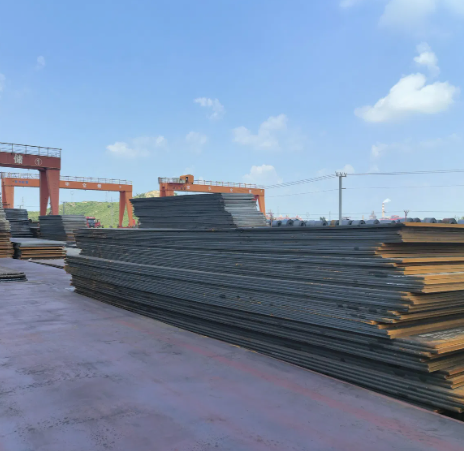
In short, SMA400BW Corten Steel performs well in mild-to-moderate low-temperature environments (down to -10°C) per JIS G 3114:2022. With proper design and maintenance, it delivers reliable safety and durability-but it is not suited for extreme sub-zero conditions. Understanding its limits helps you select the right material for your cold-climate project.


