


Bridge and architectural engineering demand materials that balance strength, durability, aesthetics, and long-term value-especially for outdoor structures exposed to the elements. SMA400BW Corten Steel, certified to JIS G 3114:2022, is a popular choice for these projects, but many engineers and designers wonder if it meets the unique demands of bridge and architectural applications. Its JIS-mandated properties are tailored to atmospheric resistance and structural reliability, but understanding how it performs in these specific use cases is key to successful project delivery.
Below is a clear, lightweight guide to SMA400BW's suitability for bridge and architectural engineering, grounded in JIS standards, real-world applications, and practical insights.

Key Properties of SMA400BW (JIS G 3114:2022) for Engineering Projects
SMA400BW's appeal for bridge and architectural work stems from its core properties, strictly defined by JIS standards-properties that align perfectly with these projects' needs:
Balanced Structural Strength: Tensile strength of 400–540 MPa and yield strength of ≥345 MPa (for ≤16mm sections) provide enough support for light-to-moderate load structures, such as pedestrian bridges and architectural frames.
Superior Atmospheric Corrosion Resistance: Alloy composition (Cu: 0.30–0.90%, Cr: 0.45–0.75%, Ni: 0.05–0.30%) forms a dense, protective patina, eliminating frequent repainting and reducing maintenance costs.
Excellent Weldability & Formability: Low carbon content (≤0.18%) and elongation of ≥23% allow easy fabrication-critical for custom architectural shapes and on-site bridge welding.

SMA400BW in Bridge Engineering: Ideal Uses & Performance
For bridge projects, SMA400BW excels in applications that prioritize durability and low maintenance, particularly:
Pedestrian & Small-Span Bridges: Its strength and corrosion resistance make it perfect for footbridges, cycle bridges, and rural small-span road bridges (≤20m span). The patina protects against rain, humidity, and light salt exposure (≥1km from shore).
Bridge Railings & Components: As secondary structural elements (railings, handrails, support brackets), SMA400BW avoids the need for regular repainting, reducing long-term maintenance for bridge operators.
Practical Performance Note: Per JIS G 3114:2022, SMA400BW is not recommended for long-span (>20m) or heavy-load highway bridges-opt for higher-strength grades like SMA490BW for these applications.

SMA400BW in Architectural Engineering: Aesthetic & Functional Value
In architectural projects, SMA400BW blends functionality with visual appeal, making it ideal for:
Exposed Architectural Elements: Facade supports, entrance canopies, feature columns, and roof trusses benefit from its natural patina-adding an industrial-chic aesthetic without sacrificing durability.
Outdoor Landscape Structures: Gazebos, pergolas, and public art installations use SMA400BW's formability to create custom shapes, while its corrosion resistance ensures longevity in outdoor settings.
Low-Maintenance Buildings: For industrial, commercial, or public buildings, SMA400BW's low maintenance needs reduce operational costs over the structure's 25–35 year service life.

Practical Tips for Using SMA400BW in These Projects
To maximize SMA400BW's performance in bridge and architectural engineering, follow these JIS-aligned tips:
Use weathering-matched welding consumables (e.g., E7018-W) to ensure welds form the same protective patina as the parent steel, avoiding corrosion hotspots.
For bridge components, ensure proper drainage to prevent standing water-this preserves the patina and extends service life.
In architectural applications, leverage its formability (per JIS guidelines: 1.5× thickness bending radius for ≤10mm steel) to create custom designs without compromising strength.
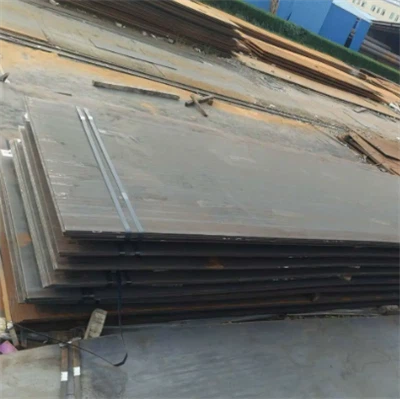
In short, SMA400BW Corten Steel is highly suitable for pedestrian bridges, small-span bridge components, and exposed architectural elements. Its JIS G 3114:2022-mandated properties balance strength, durability, and aesthetics-delivering long-term value and low maintenance for bridge and architectural engineering projects.


