


The distinctive, rust-colored appearance of Corten Steel is not merely aesthetic; it is a visual indicator of the protective barrier that makes this material so durable. A common question for architects and builders is: how long does this process actually take for S335J2WP?
The answer is not a single number, as the timeline depends heavily on the environment. However, the process can be understood in distinct phases, from initial rusting to full stabilization.
The Patina Formation Timeline: A Three-Phase Process
Think of the patina development not as a single event, but as a journey:
Initial Oxidation (First 6-18 Months):
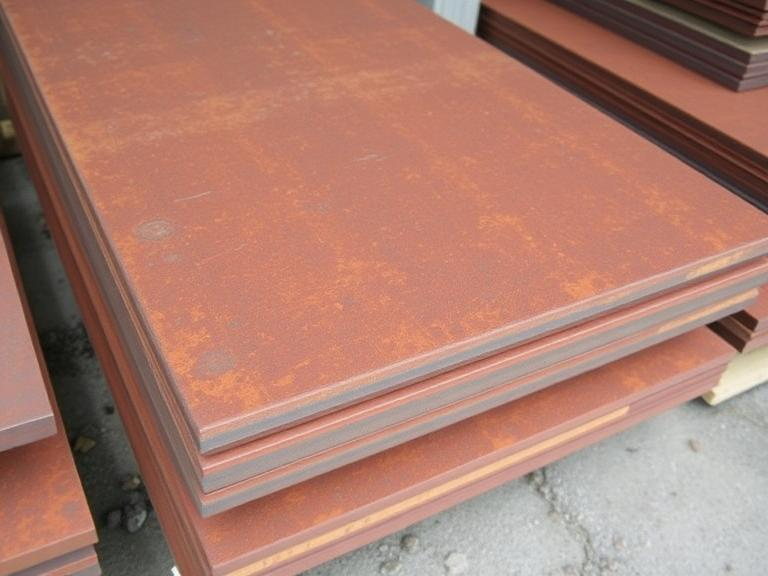
What Happens: Immediately upon exposure, the steel begins to rust. The surface will show a progression from its original mill finish to orange/brown rust streaks and spots. During this period, the rust layer is still porous and non-protective. Some runoff of rust-colored water can occur.
Visual Outcome: The appearance is often uneven and "wet."
Stabilization & Darkening (Months 18-36):
What Happens: Under the influence of natural wet-dry cycles, the alloying elements (Copper, Chromium, Phosphorus) enable the rust layer to transform. It becomes denser, more adherent, and significantly less porous. Runoff decreases dramatically.
Visual Outcome: The color deepens to a richer, more consistent reddish-brown or bronze hue.
Mature Patina (3+ Years):
What Happens: The layer is now a stable, self-limiting barrier that drastically slows further corrosion (typically to a rate of less than 0.001 mm/year in rural atmospheres). It actively protects the steel beneath.
Visual Outcome: The surface achieves a uniform, matte, and aesthetically prized appearance.

Key Factors That Influence the Speed
The timeline above can accelerate or extend based on local conditions:
Climate: Frequent, alternating cycles of rain (wet) and sunshine (dry) are ideal and accelerate stabilization. Constant dryness or constant wetness will slow the process.
Pollution & Salt Air: Industrial (sulfates) or marine (chlorides) environments tend to accelerate the initial rusting and can lead to a darker patina forming more quickly.
Orientation & Shelter: Surfaces exposed to rain and sun will weather faster than sheltered or north-facing surfaces.
Practical Guidance for Your Project
Plan for the "Ugly Phase": During the first 6-18 months, the steel's appearance will be transitional and uneven. This is a normal, necessary stage. Client and public expectations should be managed accordingly.
To Accelerate the Process: A one-time water spraying regimen during dry periods in the first two years can simulate wet/dry cycles and promote more uniform patina development.
Avoid Contamination: Do not allow runoff from less-noble metals (e.g., copper, zinc from gutters) or dense vegetation to constantly wet the surface, as this can disrupt uniform patination.
Design for Drainage: Ensure details allow water to run off freely and do not trap moisture or debris against the steel surface.
In summary, while S335J2WP Corten Steel begins to rust almost immediately, the development of its fully protective, stable, and visually consistent patina typically requires 2 to 3 years of natural exposure. By understanding and planning for this timeline, you can ensure the long-term success and beauty of your weathering steel structure.


