


Coastal environments-with salt spray, high humidity, and frequent moisture-pose unique corrosion challenges for outdoor materials. A588 Grade B Corten Steel is known for its toughness and corrosion resistance, but many buyers wonder: Can it withstand the harsh conditions of coastal areas? Will salt and humidity damage its protective patina? Is it a reliable choice for coastal structural or architectural projects? The core answer is clear: A588 Grade B is suitable for coastal environments with minor maintenance-its patina resists salt corrosion, making it a practical, low-upkeep option. Below is a concise, practical guide.
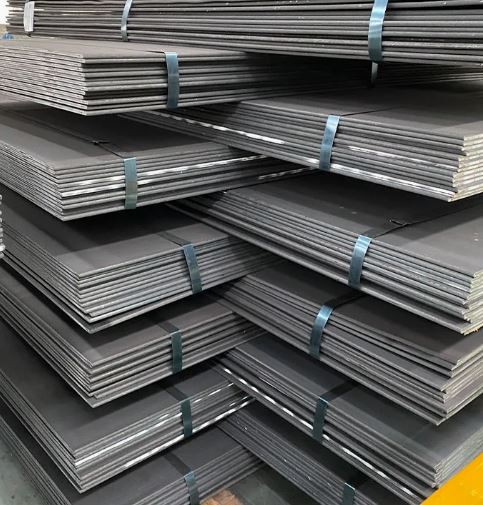
Why Coastal Environments Challenge Steel
Coastal areas are tough on steel, but A588 Grade B's properties help mitigate these risks:
Salt Spray: Salt particles in coastal air stick to steel surfaces, accelerating rust if not addressed-ordinary steel corrodes rapidly here, but Corten Steel's patina provides a barrier.
High Humidity & Moisture: Constant dampness prolongs exposure to water, which can break down unprotected steel. A588 Grade B's patina blocks moisture from reaching the steel beneath.
Wind & Weather: Coastal storms bring heavy rain and wind, but Grade B's enhanced toughness ensures it maintains structural integrity even under these stresses.
How A588 Grade B Performs in Coastal Settings
Its alloy composition (standardized by ASTM A588) and protective patina make it well-suited for coastal use, with key advantages:
Patina Resistance to Salt: The dense patina (formed by copper, chromium, and nickel) repels salt particles, preventing them from causing rust-unlike ordinary steel, which rusts quickly in salt air.
Enhanced Toughness: Grade B's low-temperature toughness (down to -20℃/-4℉) also helps it withstand coastal weather extremes, from hot, humid summers to cool, windy winters.
Long Lifespan: With minor maintenance, A588 Grade B lasts 20–30 years in coastal areas-far longer than ordinary steel (5–10 years) and comparable to other coastal-grade materials.

Practical Maintenance for Coastal Use
To maximize performance in coastal environments, follow these simple, cost-effective steps:
Regular Rinsing: Rinse the steel with fresh water every 2–4 weeks to remove salt buildup-this prevents salt from breaking down the patina over time.
Ensure Proper Drainage: Install components (facades, railings, supports) with good drainage to avoid standing water, which traps salt and moisture.
Avoid Harsh Cleaners: Use only fresh water or a mild, non-abrasive cleaner-harsh chemicals can damage the patina and expose the steel to corrosion.

When to Take Extra Precautions
While A588 Grade B performs well in most coastal areas, take extra care in:
High-salt zones (e.g., directly on the beach, near saltwater marshes): Consider a thin protective coating to supplement the patina for long-term durability.
Submerged components (e.g., dock pilings): A588 Grade B is not ideal for constant submersion-use specialized marine steel instead.
In short, A588 Grade B Corten Steel is suitable for coastal environments. With minor maintenance to remove salt buildup, its protective patina and enhanced toughness make it a reliable, low-maintenance choice for coastal structural and architectural projects.


