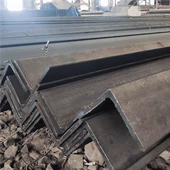
Weathering steel – Use and preparation in uncoated and coated states
Weathering steel is a type of steel alloy characterized by the formation of a stable, corrosion-resistant layer on its surface after years of weathering, eliminating the need for painting in many environments. U.S. Steel (USS) owns the registered trademark COR-TEN, a name that represents two key characteristics of this type of steel: corrosion resistance and high strength.
Weathering refers to the chemical composition of these steels, which gives them greater resistance to atmospheric corrosion than other steels. This is because weathering causes the steel to form a protective rust layer on its surface. The corrosion-inhibiting effect of this protective layer is determined by the distribution and concentration of alloying elements in the steel's chemical composition (as shown in Figure 1). This protective layer is formed through weathering. In other words, the steel needs to rust to form this protective layer.

Using weathering steel in construction presents several challenges. Special welding techniques or materials may be required to ensure that weld joints maintain the same weather resistance as other materials. Weathering steel itself is not completely rust-proof; if water accumulates inside the steel or it remains damp for extended periods, corrosion will occur in these areas more rapidly, necessitating drainage or drying measures. Weathering steel is highly sensitive to humid subtropical climates, where its protective oxide layer may become unstable and continue to corrode. Weathering steel also performs poorly in areas with high chloride exposure. Normal surface weathering of weathering steel can also lead to rust formation on nearby surfaces.
The rate at which some weathering steels form the desired rust layer is significantly influenced by atmospheric pollutants, which catalyze corrosion. While this rusting process typically progresses well in large urban centers, it is much slower in rural environments.
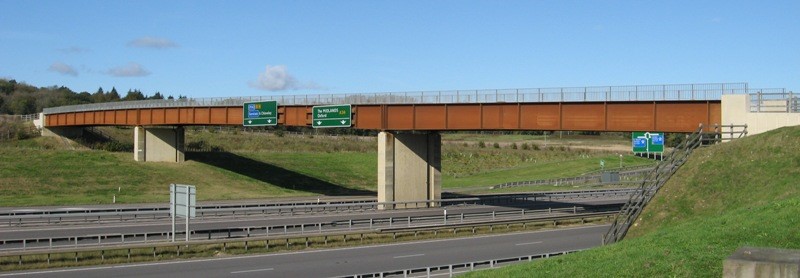
As mentioned earlier, weathering steel forms a strong, protective rust layer under suitable conditions, inhibiting further corrosion. According to SteelConstruction.info, weathering steel has an extremely low corrosion rate, so bridges built with unpainted weathering steel can achieve their 120-year design life with minimal maintenance. Therefore, under suitable conditions, well-designed weathering steel bridges are a cost-effective solution with very low maintenance costs.
In humid and atmospheric environments, all low-alloy steels will rust; the rate of rusting depends on the extent to which oxygen, moisture, and atmospheric pollutants come into contact with the metal surface. As the rusting process progresses, the rust layer forms a barrier, preventing the penetration of oxygen, moisture, and contaminants, thus slowing down the rusting rate.
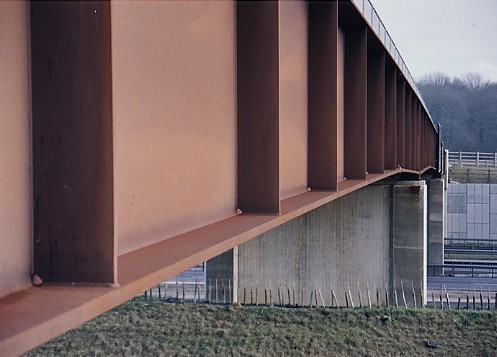
The rust layer that forms on the surface of ordinary hot-rolled carbon steel is porous and will eventually detach from the surface, restarting the corrosion cycle. The corrosion rate changes in a series of approximately linear increasing curves, the slope of which depends on the corrosiveness of the environment.
The rusting process of weathering steel is similar to that of ordinary steel, but specific alloying elements in the steel form a stable rust layer that adheres firmly to the base metal and has lower porosity. This rust layer forms under alternating wet and dry conditions, forming a protective barrier that prevents further penetration of oxygen, moisture, and contaminants, thus significantly reducing further metal loss. It is important to note that the rust layer must be able to dry to form. If the surface remains damp, weathering steel will continue to corrode. Similarly, if the environment is severely contaminated with chlorides (e.g., buildings near the ocean or areas exposed to de-icing salt and persistent moisture), the rust layer cannot form properly. However, under suitable environmental conditions, the corrosion rate of weathering steel is much lower than that of ordinary structural steel.