


SMA400BW Corten Steel, certified to JIS G 3114:2022, is engineered for a sweet spot of performance-combining reliable atmospheric corrosion resistance, excellent weldability, and balanced mechanical strength. But not all structural projects are a match for this grade; its ideal uses are shaped by its JIS-mandated properties, which tailor it to specific outdoor scenarios. Choosing the right application ensures you maximize its durability, minimize maintenance, and get the most value from your investment.
Below is a clear, practical guide to the ideal structural applications for SMA400BW Corten Steel, grounded in JIS standards and real-world project experience.

First: What Makes SMA400BW Suitable for Specific Applications?
Before diving into applications, it's key to link SMA400BW's core properties (per JIS G 3114:2022) to its ideal uses-this ensures alignment with your project's needs:
Atmospheric corrosion resistance (via Cu, Cr, Ni alloys): Perfect for outdoor, exposed structures.
Excellent weldability (low carbon ≤0.18%): Ideal for welded structural components.
Balanced strength (yield 215–245 MPa, tensile 400–510 MPa): Suited for light-to-moderate load projects.
Good formability (elongation ≥26%): Works for custom-shaped architectural and structural elements.
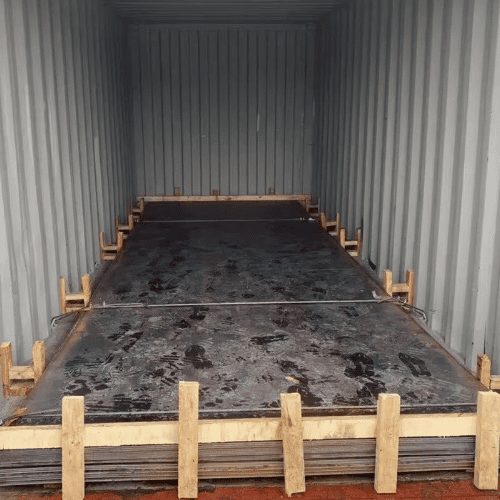
Ideal Structural Applications for SMA400BW
SMA400BW shines in outdoor, welded structures where durability, low maintenance, and cost-effectiveness are priorities. Its top applications include:
1. Pedestrian Bridges & Light Highway Bridge Components
A top use case for SMA400BW, thanks to its corrosion resistance and weldability. It's ideal for pedestrian bridges, small-span rural highway bridges, and bridge railings/guardrails. The grade's impact toughness (≥27 J at 0°C per JIS) resists cold-weather brittleness, while its patina protects against rain, humidity, and light salt exposure (≥1km from shore).
2. Industrial & Commercial Building Framing
SMA400BW works well for low-to-mid-rise industrial and commercial building framing, especially exposed exterior frames, roof trusses, and column supports. Its weldability simplifies on-site fabrication, and its corrosion resistance eliminates frequent repainting-critical for industrial facilities where maintenance access is limited.
3. Architectural Structural Elements
For projects blending function and aesthetics, SMA400BW is perfect for exposed architectural components: entrance canopies, feature columns, facade supports, and landscape structures. Its natural patina adds an industrial-chic look, while its formability allows custom shapes (curved beams, angular profiles) without compromising strength.
4. Outdoor Utility & Industrial Supports
SMA400BW is well-suited for outdoor utility structures, including utility poles, conveyor supports, and equipment bases in light industrial environments. Its corrosion resistance stands up to mild industrial pollutants, and its low maintenance needs reduce long-term operational costs.
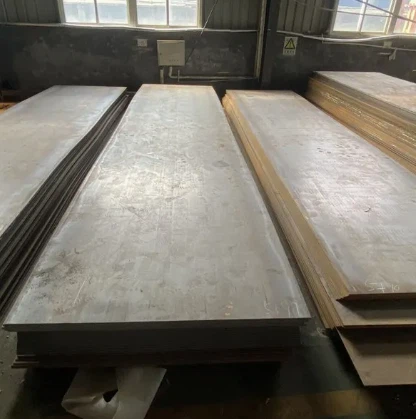
Applications to Avoid (And Why)
To avoid costly mistakes, SMA400BW is not recommended for these scenarios-its JIS-mandated properties are not designed for extreme conditions:
High-load structures (e.g., long-span highways, skyscraper cores): Require higher-strength Corten grades (e.g., SMA490BW) per JIS G 3114:2022.
High-exposure coastal areas (<500m from shore): Direct salt spray exceeds its corrosion resistance limits-choose marine-grade steel instead.
Continuous immersion or chemical exposure: JIS G 3114:2022 designs SMA400BW for atmospheric use, not immersion or harsh chemical environments.

Practical Value of Choosing the Right Application
Matching SMA400BW to its ideal applications delivers tangible benefits: lower maintenance costs (no frequent repainting), longer service life (25–35 years), and simplified fabrication. It also ensures compliance with JIS G 3114:2022, avoiding over-specification (and unnecessary costs) or under-specification (and premature failure).

In short, SMA400BW Corten Steel is ideal for outdoor, welded, light-to-moderate load structures-from pedestrian bridges to architectural elements. Its JIS-mandated properties are perfectly tailored to these scenarios, making it a reliable, cost-effective choice for project teams seeking balance between durability and practicality.


