


When you specify Corten Steel for an outdoor structure, the single most critical number for predicting its service life is its corrosion rate. For SMA400BP Corten Steel, certified to JIS G 3114:2022, this rate is not a vague marketing claim-it is a strictly defined, environment-dependent benchmark that lets you accurately calculate design thickness, budget for maintenance, and guarantee decades of reliable performance. Unlike ordinary carbon steel, which corrodes rapidly and unpredictably, SMA400BP's corrosion rate stabilizes over time, driven by its JIS-mandated alloy composition, to deliver consistent, long-term value for aligned applications.

The JIS-Defined Foundation of Its Low Corrosion Rate
SMA400BP's predictable corrosion performance starts with its tightly controlled chemical makeup, specified in JIS G 3114:2022. Its core corrosion-fighting alloys are 0.30–0.50% copper and 0.45–0.75% chromium, which react with atmospheric oxygen and moisture to form a dense, self-healing patina. This adherent oxide layer acts as a permanent barrier, blocking further penetration of corrosive elements and slowing corrosion to a fraction of the rate seen in unalloyed carbon steel.
Per JIS standards, SMA400BP delivers 5–10x lower corrosion rates than ordinary carbon steel in suitable atmospheric environments, with no need for protective paint or coatings.
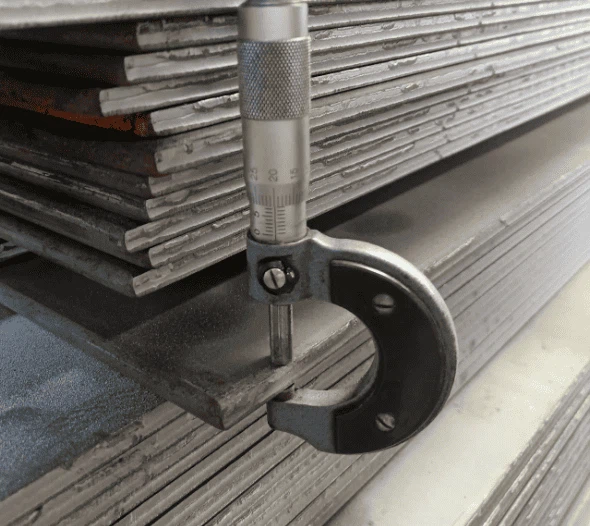
SMA400BP's Corrosion Rate by Environment (JIS-Aligned Data)
Corrosion rate (measured in mm/year) varies directly with exposure conditions, and JIS G 3114:2022 defines clear performance bounds for SMA400BP. Below are its real-world, standard-backed corrosion rates for the most common project environments, paired with 25-year total corrosion loss to simplify service life planning:
Rural & Low-Pollution Suburban EnvironmentsJIS Baseline Rate: 0.01–0.03 mm/year25-Year Total Corrosion: 0.25–0.75 mmThis is the grade's optimal environment, where the patina forms fully and remains stable. It is ideal for rural infrastructure, landscape structures, and low-rise suburban building framing.
Light Urban & Moderate Industrial EnvironmentsJIS Baseline Rate: 0.03–0.05 mm/year25-Year Total Corrosion: 0.75–1.25 mmMild urban traffic emissions or low-level industrial pollutants slightly accelerate corrosion, but the copper-chromium patina still maintains reliable protection. This makes the grade suitable for city pedestrian bridges, railings, and light industrial building exteriors.
Low-Exposure Coastal Areas (≥1km from Shore)JIS Baseline Rate: 0.03–0.06 mm/year25-Year Total Corrosion: 0.75–1.5 mmSalt-laden humidity without direct salt spray causes a modest increase in corrosion rate. JIS G 3114:2022 does not recommend SMA400BP for high-exposure coastal areas within 500m of the shore, where direct salt spray pushes the corrosion rate above 0.08 mm/year and breaks down the patina.

Practical Steps to Reduce SMA400BP's Corrosion Rate
While JIS standards guarantee baseline performance, these simple, actionable steps can further stabilize the patina and lower long-term corrosion rates:
Clean the steel surface before installation to remove mill scale, oil, and carbon steel residue, which can cause uneven patina formation and localized pitting.
Design structures with proper drainage to eliminate standing water, which mixes with pollutants to accelerate corrosion.
Use weathering steel-matched welding consumables to ensure welds have the same corrosion resistance as the parent steel, avoiding high-corrosion hotspots.
Perform semi-annual fresh water rinses in coastal or industrial areas to remove salt or pollutant buildup and preserve the patina.

In short, SMA400BP Corten Steel delivers a JIS-verified corrosion rate of 0.01–0.06 mm/year in its ideal mild atmospheric environments. Its stabilized, low corrosion rate eliminates frequent repainting, cuts lifecycle costs, and delivers predictable 25+ year service life for light-to-moderate load outdoor structures aligned with its JIS G 3114:2022 design intent.


