


Purchasing S355K2W Corten Steel without reliable quality verification documents is a high-stakes gamble: subpar material may fail to meet -40℃ toughness requirements, lack critical anti-corrosion elements, or even be mislabeled-leading to project delays, safety hazards, and failed acceptance. For procurement teams and engineers, the core question is: What specific quality verification documents must be requested from suppliers to mitigate these risks, especially regarding Mill Test Reports (MTR)? The definitive answer, rooted in EN standards and industrial procurement best practices, is clear: EN 10204 Type 3.1 MTR and Material Data Sheet (MDS) are non-negotiable mandatory documents; supplementary documents should be added based on application scenarios. Below is a concise, actionable breakdown focused on practical implementation.
Why Document Priority Matters for S355K2W
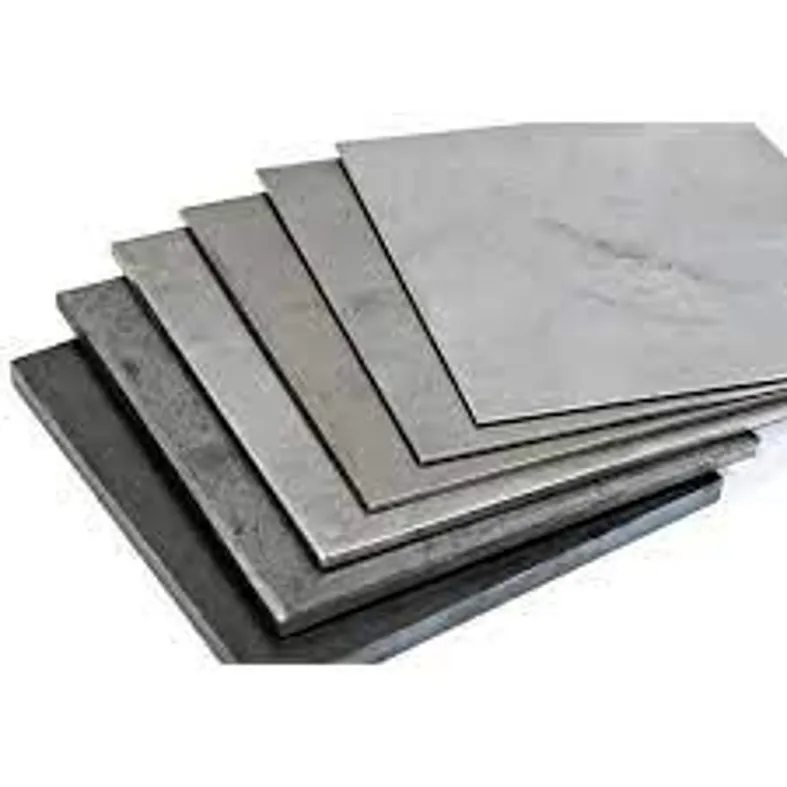
S355K2W is a standardized grade under EN 10025-5, with strict requirements for chemical composition (Cu≥0.20%, Cr≥0.50%), mechanical properties (yield strength≥355MPa, -40℃ impact energy≥27J), and weather resistance. Quality documents are not just "formalities"-they are the only tangible evidence that the supplied material conforms to these standards. Prioritizing the right documents ensures efficient verification and avoids wasting time on non-critical paperwork.
Mandatory Documents: Non-Negotiable Core Files
These two documents form the foundation of S355K2W quality verification; suppliers must provide them unconditionally. Focus on the following key verification points to avoid loopholes:
1. EN 10204 Type 3.1 Mill Test Report (MTR)
Core Role: The most authoritative factory test document, providing traceable, third-party-verified data for each heat/lot of S355K2W-critical for project acceptance and quality tracing.
Key Verification Points: ① Explicitly marked "S355K2W" and "EN 10025-5" (avoid confusion with non-standard grades); ② Traceability information (heat/lot number, which must match the material's physical labels); ③ Actual test data: chemical composition (Cu, Cr, P content meet EN 10025-5 limits), mechanical properties (yield/tensile strength, -40℃ impact energy≥27J); ④ Official supplier stamp and authorized inspector signature (ensuring authenticity); ⑤ Test methods (e.g., EN ISO 6892-1 for tensile tests, EN ISO 148-1 for impact tests).
2. Material Data Sheet (MDS)
Core Role: A comprehensive summary of S355K2W's key properties, serving as a quick reference for pre-purchase evaluation and post-purchase storage/processing.
Key Verification Points: ① Consistency with MTR data (no contradictions in chemical composition or mechanical properties); ② Clear marking of delivery condition (e.g., "P" for thermo-mechanical rolling) and surface quality grade; ③ Applicable scope and limitations (e.g., temperature range for service, welding compatibility tips).

Supplementary Documents: Scenario-Specific Add-Ons
For projects with special requirements, request these additional documents to ensure application suitability. They are not mandatory for basic quality verification but critical for high-risk scenarios:
1. Welding Compatibility Certificate (If Welding Is Required)
Confirms compatible welding consumables (e.g., ER70S-GNiCu, E7018-GNiCu) and recommended parameters (preheating temperature, heat input). Ensures weld joints retain -40℃ toughness and weather resistance.
2. Special Environment Performance Reports
Low-Temperature Service (≤-40℃): Additional impact test reports at the actual service temperature (e.g., -50℃) to verify toughness reserve.
Coastal/Salt Spray Environments: Salt spray test reports (per ASTM B117) showing corrosion rate data, ensuring the material withstands chloride ion erosion.
3. Packaging & Traceability Records
Includes packaging specifications (e.g., VCI film wrapping, ISPM 15 pallets) and batch traceability chains. Ensures material integrity during transportation and facilitates tracing if quality issues arise later.

Critical Verification Pitfalls to Avoid
Reject "Type 2.1 MTR": Unlike Type 3.1 (third-party verified), Type 2.1 is only supplier-self-declared, lacking authority for project acceptance.
Check for data consistency: Contradictions between MDS and MTR (e.g., different Cu content) indicate potential fraud-request clarification or replacement immediately.
Avoid ambiguous wording: Reject documents that only state "meets EN 10025-5" without specific numerical data (e.g., no -40℃ impact energy value).
Tips for Communicating with Suppliers
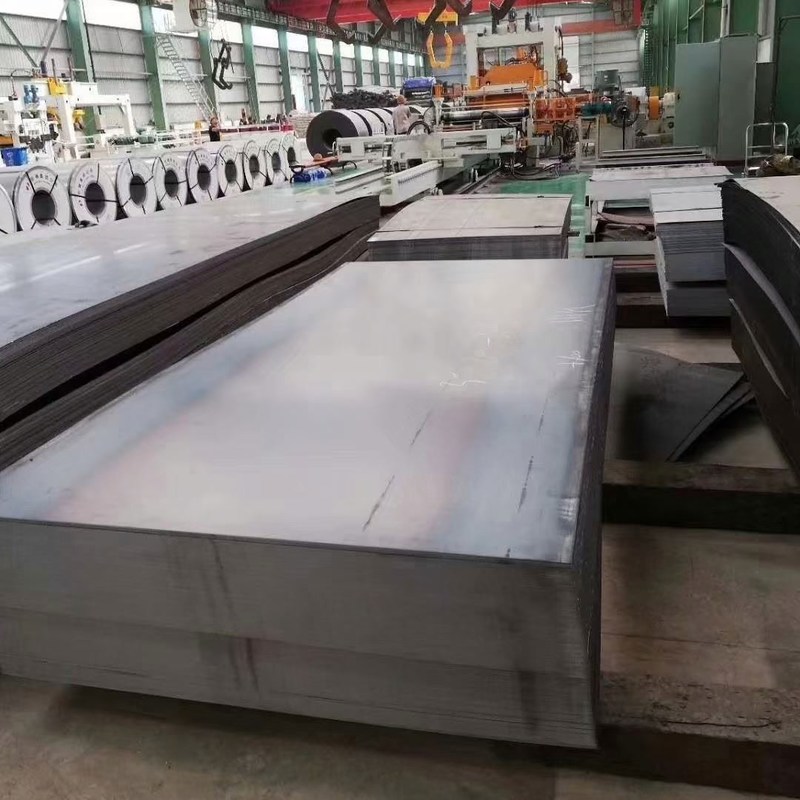
Clearly specify document requirements in the purchase order: ① Mandate "EN 10204 Type 3.1 MTR" (not lower types); ② List key verification points (e.g., "-40℃ impact energy≥27J"); ③ Require documents to be provided in English (for international projects) and submitted 3-5 working days before delivery for pre-verification.
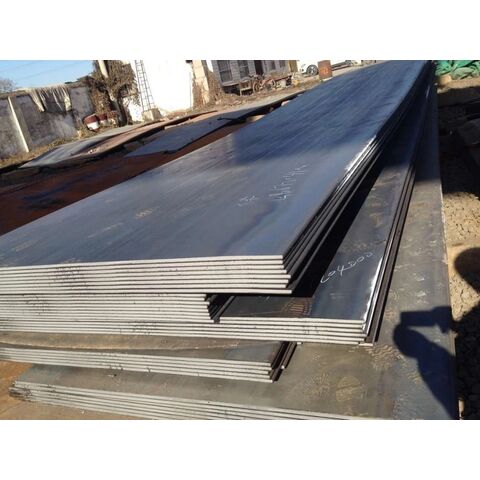
In summary, purchasing S355K2W requires prioritizing EN 10204 Type 3.1 MTR and MDS as mandatory quality verification documents, with supplementary documents added based on application scenarios. The key is to focus on data authenticity, consistency, and traceability, while avoiding common verification pitfalls. Clear communication with suppliers ensures that the provided documents meet project needs, laying a solid foundation for quality control and project success.


