


ASTM A242 Type 1 and A588 Grade B are two widely used Corten Steel grades, both praised for corrosion resistance and durability. Yet many buyers and fabricators struggle to tell them apart: Are they interchangeable? What key differences set them apart? Which one fits better for specific projects? The core answer is clear: They share similar corrosion resistance, but differ most in low-temperature toughness and thickness ranges-choices depend on your project's climate and load needs. Below is a concise, practical guide to their key differences.

First: What They Have in Common
Before diving into differences, it's important to note their shared strengths-why both are popular for outdoor and structural projects:
Both are Corten Steel (weathering steel) standardized by ASTM International, forming a protective patina to resist corrosion without frequent maintenance.
Similar mechanical strength: Both have a minimum yield strength of 345MPa and tensile strength of 485MPa, suitable for most structural loads[superscript:7].
Same core alloy base: Both contain copper, chromium, and nickel to enable patina formation and corrosion resistance[superscript:3][superscript:4].
Key Differences (Simplified for Practical Selection)
The two grades differ in two critical areas that directly impact project suitability-no unnecessary jargon, just practical distinctions:
Low-Temperature Toughness (Most Critical):
ASTM A242 Type 1: Performs well in mild to cool climates (down to -10℃/-14℉). It has good toughness but may become brittle in extreme cold.
A588 Grade B: Enhanced cold toughness, maintaining flexibility and strength down to -20℃/-4℉-ideal for frigid regions (e.g., northern U.S., Canada).
Available Thickness Ranges:
ASTM A242 Type 1: Typically 1.5mm–50mm, with a focus on thinner to medium gauges (ideal for architectural and light structural use).
A588 Grade B: Available in thicker gauges (up to 100mm), designed for heavy-duty structural projects (e.g., bridge beams, industrial supports).
Cost: ASTM A242 Type 1 is 5–10% more cost-effective than A588 Grade B, as it has lower cold-toughness requirements[superscript:6].

Which One to Choose? (Practical Guide)
Match the grade to your project's needs-no overcomplicating:
Choose ASTM A242 Type 1 if: Your project is in a mild-to-cool climate, uses thinner/medium gauges, and is for architectural (facades, screens) or light structural (railings, pergolas) use. It's budget-friendly and low-maintenance.
Choose A588 Grade B if: Your project is in a cold climate (temperatures below -10℃), requires thick gauges, or involves heavy-duty structural loads (bridge components, industrial supports). Its enhanced toughness justifies the slightly higher cost.
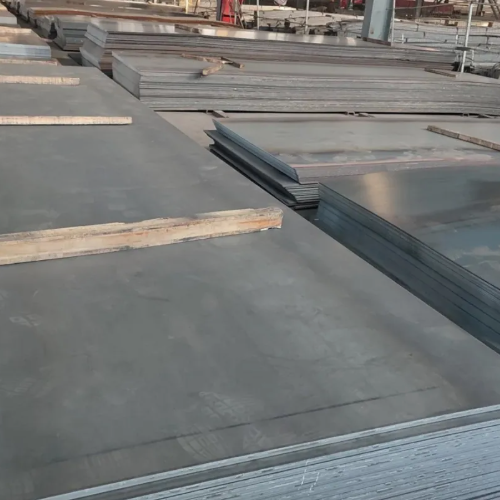
In short, ASTM A242 Type 1 and A588 Grade B are both excellent Corten Steel options-their differences boil down to cold-temperature performance and thickness. By matching the grade to your climate and project load, you get the best performance and cost-effectiveness.


