


For most sub-zero environments (e.g., -10℃ to -30℃), the impact toughness of Corten steel can still meet the requirements of outdoor structural use, and there will be no obvious embrittlement (sudden brittle fracture without plastic deformation).
The ductile-brittle transition temperature (DBTT) of standard Corten steel is generally below -20℃ (Corten B is even lower, around -40℃), which means that when the ambient temperature is higher than this value, the steel remains in a ductile state and is not prone to brittle failure.

Ultra-low temperature environments (below -40℃): When the temperature is lower than the ductile-brittle transition temperature of Corten steel, its impact toughness will drop sharply, and embrittlement may occur under external impact or large stress (such as wind load, snow load, or structural vibration).
High stress and structural defects: If the Corten steel component has welding defects (e.g., weld cracks, incomplete penetration), sharp corners, or residual internal stress during processing and installation, stress concentration will occur at these positions in low-temperature environments, which will trigger brittle fracture even if the overall temperature is above the DBTT.
Long-term corrosion or material aging: Although the protective rust layer of Corten steel can prevent deep corrosion, if local pitting corrosion or rust layer peeling occurs for a long time, the effective thickness of the steel will be reduced, and the stress concentration at the corrosion pit will increase the embrittlement risk in low temperatures.
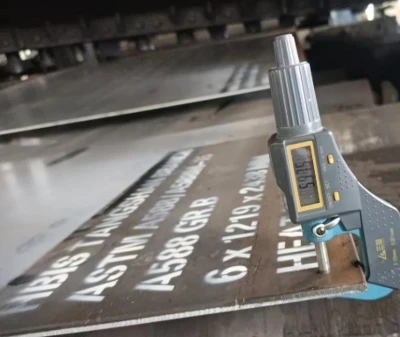
Select appropriate grades: For projects in extremely cold regions (e.g., areas with temperatures below -30℃), choose Corten B or low-temperature-resistant weathering steel grades instead of ordinary Corten A, as they have better low-temperature toughness.
Optimize structural design: Avoid sharp corners and sudden changes in section in component design to reduce stress concentration; ensure welding quality (adopt low-temperature welding processes and materials) and perform post-weld stress relief treatment to eliminate residual stress.
Strengthen corrosion protection: Maintain the integrity of the protective rust layer, and repair local damaged rust layers in a timely manner to avoid corrosion-induced structural defects.
Limit external load: For outdoor structures such as pergolas and signages in low-temperature regions, design a reasonable load-bearing capacity to avoid overloading under extreme weather (e.g., heavy snow, strong winds).


