


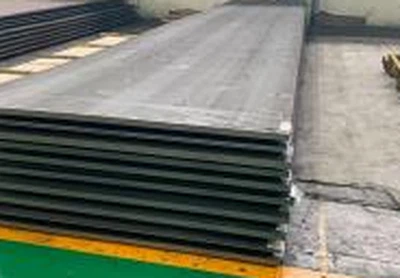
Optimal conditions: Moderate humidity (60–70%) promotes the formation of a dense, uniform patina within 6–12 months. This balanced moisture level allows the alloy elements (Cu, Cr, Ni) to react steadily with oxygen, forming the protective oxide layer without excessive rusting.
Detrimental conditions:
High humidity (>80%) or prolonged waterlogging: Traps moisture on the steel surface, leading to uneven patina (dark, patchy rust spots) and localized crevice corrosion, especially in folded edges or welded joints.
Low humidity (<40%): Slows patina maturation drastically (taking 18+ months or longer), leaving the steel vulnerable to minor corrosion during the extended initial stage.
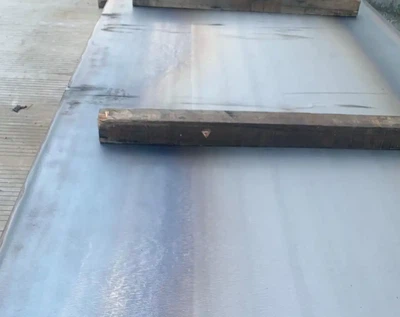
In coastal regions within 1 km of the shore, salt spray penetrates the developing patina, causing pitting corrosion on the steel substrate. This weakens the protective layer and leads to premature structural degradation if not mitigated.
Mitigation: Use breathable anti-corrosion sealants on exposed edges or opt for factory pre-patination before installation to strengthen the oxide layer against chloride attack.
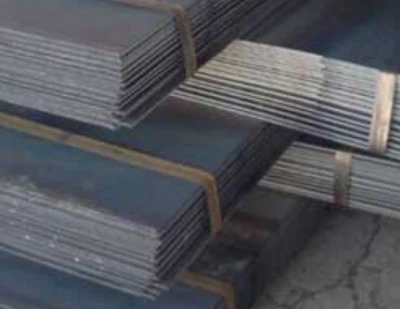
Acidic pollutants react with the patina to form soluble iron salts, which wash away and expose fresh steel to further oxidation-resulting in accelerated, uneven rusting.
This issue is most severe in heavy-industry zones (e.g., steel mills, chemical plants) or urban areas with high fossil fuel emissions.
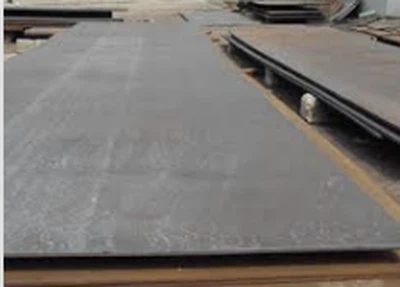
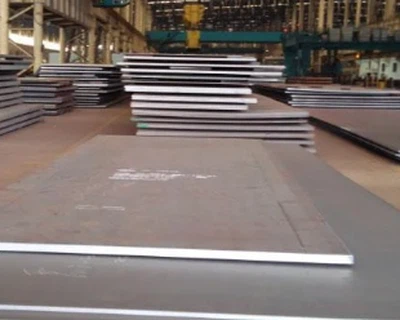
Enclosed spaces (e.g., tight wall cavities, unventilated storage areas) or surfaces in constant contact with other materials (e.g., stacked plates without spacing) trap moisture and prevent uniform oxidation. This leads to localized anaerobic corrosion and patchy patina.
Installation tip: Leave 5–10 mm gaps between stacked plates or use spacer gaskets to ensure airflow during storage and on-site assembly.
Moisture trapped in patina pores freezes and expands, causing micro-cracks in the oxide layer. These cracks allow water and oxygen to reach the steel substrate, leading to spalling of the patina and accelerated corrosion.


