


Welding is a critical step in fabricating A588 Grade A Corten Steel for structural, architectural, or outdoor projects. Many fabricators and buyers wonder about preheating: Is it a mandatory step for this Corten grade? Will skipping preheating damage the steel or weaken the weld? Does thickness or welding method affect the need for preheating? The core answer is clear: A588 Grade A Corten Steel rarely requires preheating for standard welding-only for thick plates or specific welding scenarios, making it easy and cost-effective to fabricate. Below is a concise, practical guide for foreign fabricators and buyers.

Why Preheating Matters (And Why A588 Grade A Usually Doesn't Need It)
Preheating is used to reduce temperature differences during welding, preventing cracks and ensuring strong welds-but A588 Grade A's composition makes it less dependent on this step:
A588 Grade A is a low-alloy Corten Steel (standardized by ASTM A588) with good ductility and toughness. Its chemical composition (including copper, chromium, and nickel) minimizes the risk of cold cracking, even without preheating.
Preheating is typically needed for high-strength or thick steel, where rapid cooling after welding can cause internal stress. A588 Grade A's medium-duty strength (345MPa yield) and balanced composition avoid this issue for most applications.

When A588 Grade A Requires Preheating (Rare Scenarios)
Preheating is only necessary in a few specific cases-here's when you need to do it:
Thick Plates (>20mm): For A588 Grade A plates thicker than 20mm, preheat to 60–100℃ (140–212℉). Thick steel cools faster, increasing crack risk-preheating slows cooling and reduces stress.
Low-Temperature Welding (<10℃/50℉): If welding outdoors in cold weather, preheat to 60–80℃. Cold ambient temperatures accelerate cooling, making preheating necessary to protect the weld and steel.
High-Constraint Welds: For complex, rigid welds (e.g., tight corners or thick-to-thin joints), preheating to 60–80℃ helps relieve stress and prevent cracking.

Standard Welding: No Preheating Needed (Most Common Scenarios)
For most A588 Grade A welding projects, you can skip preheating-here's what applies to everyday fabrication:
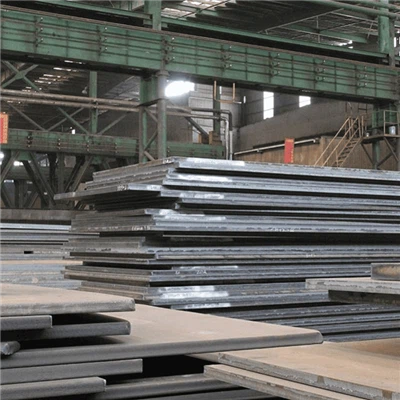
Plates ≤20mm Thick: The majority of A588 Grade A projects use 5–20mm plates (facades, guardrails, small frames)-no preheating required for these.
Standard Welding Methods: MIG, TIG, and arc welding (the most common methods for A588 Grade A) work well without preheating, as long as you use Corten-compatible electrodes.
Ambient Temperatures ≥10℃: Welding in mild weather (above 10℃) eliminates the need for preheating, as the steel cools slowly enough to avoid stress.
Practical Welding Tips for A588 Grade A (No Preheating Needed)
To ensure strong, high-quality welds without preheating (when applicable):
Use Corten-compatible welding electrodes (e.g., E7018) to match the steel's composition and maintain corrosion resistance.
Control welding speed: Avoid rapid welding, which can cause uneven cooling-maintain a steady pace for consistent weld quality.
Post-weld care: Let the weld cool naturally (no forced cooling) to prevent stress-this ensures the weld retains strength and corrosion resistance.
In short, A588 Grade A Corten Steel does not require preheating for most welding projects. Only thick plates, cold weather, or high-constraint welds need minimal preheating-making it a easy-to-fabricate, cost-effective choice for fabricators and buyers alike.


