


Everything You Need to Know About Weathering Steel: The Weathering Steel Revolution
What is weathering steel?
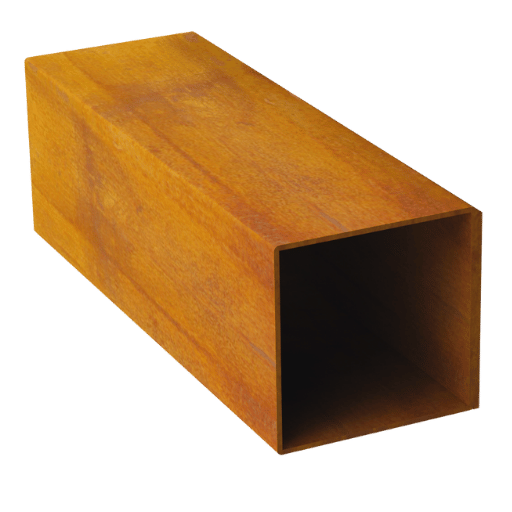
Weathering steel is an alloy steel whose unique composition and decomposition process give it excellent decorative properties. Ordinary steel, due to its weather resistance, oxidizes when exposed to water and air. Weathering steel, however, begins to corrode over time, and its surface is covered with an oxide film as a form of protection. Weathering steel is highly favored in the fields of architecture, construction, and outdoor design due to its strength, durability, and aesthetic appeal.
These properties of weathering steel stem from its chemical composition. The material contains various elements such as copper, chromium, nickel, and phosphorus. These elements give weathering steel its exceptional corrosion resistance. Copper rust quickly protects the surface, preventing further corrosion; while chromium enhances the material's strength. Nickel is crucial because its oxide layer thickens and bonds with the steel; phosphorus, in particular, accelerates the weathering of low-alloy steels. The composition of weathering steel is balanced to achieve a specific aging pattern and the steel's appearance.
Some statistics show that the proportions of these elements vary depending on the type or brand of weathering steel (such as ASTM A588, A606, etc.). For example, ASTM A588 may contain 0.4-0.6% copper, 0.5-1.25% chromium, 0.4% nickel, and approximately 0.04% phosphorus. These structural components make weathering steel a preferred material for outdoor construction, especially suitable for applications requiring high rigidity, low maintenance, and aesthetics.
Manufacturing method of weathering steel
The method of making weathering steel involves heating raw materials such as iron with carbon and various alloying elements such as copper, chromium and nickel in an electric arc furnace, and then casting the mixture into slabs or sheets so that it can form a weathering green, that is, a protective bronze-brown rust, over time.

Corrosion resistance: Why it matters
Corrosion resistance is crucial when materials are directly exposed to weather and harsh environmental conditions. Reports on this topic indicate that searches for "corrosion-resistant building materials" have increased by over 20% in the past year, demonstrating a growing and urgent need for such materials. Unlike ordinary steel, which rusts and reduces its thickness, weathering steel forms a rust layer that inhibits further corrosion. This protective strategy requires very low maintenance and allows for long-term structural use, making it ideal for bridges, basements, and monuments exposed to a wide range of weather conditions. Weathering steel does not require painting or maintenance like traditional carbon steel, which is not only environmentally friendly but also improves the economic efficiency of construction.

Long-term durability and strength
Weathering steel, due to the characteristics of its Japanese chemical composition, boasts advantages such as long service life and steel grade stability. This type of steel is modified by adding passivating chromates, copper, and nickel alloys to form a stable coating or patina, thereby preventing corrosion. Therefore, this advantage extends to multiple units within a ring structure, allowing it to maintain its performance even in urban or rural environments with increased γ-coefficients and exposure to moderate humidity and air pollution.
There are increasing questions surrounding the limits of weathering steel's use in infrastructure construction. It has been proven that, once permitted, weathering steel's weather resistance and abrasion resistance can last for a considerable period, with buildings potentially lasting up to 100 years without major repairs. This aptly demonstrates the recognition of its durability and explains why many choose it: for long-term goals such as bridges and building facades, weathering steel is relatively inexpensive. However, to achieve maximum durability and effectiveness over many years of use, careful design and environmental assessments are still crucial.
How does weathering steel form a protective layer?
Weathering steel is a unique type of steel that develops a rust-like appearance over time, which acts as a protective layer. However, as mentioned earlier, controlling the formation of this rust coating is not enough. An oxide layer forms on the exterior of the steel due to exposure to water and air. Unlike normal rusting, this oxide layer does not rust or oxidize further because it acts as a barrier against oxygen and water, which can penetrate into the material's interior. This property of weathering steel makes it extremely useful in working environments requiring long-term use.


