


A588 Grade B Corten Steel is widely used in heavy-duty and cold-environment projects, but many buyers and fabricators wonder how it holds up against corrosion. Does its enhanced toughness compromise corrosion resistance? How does it differ from other Corten grades in fighting rust? Is its protective mechanism the same as ordinary Corten Steel? The core answer is clear: A588 Grade B resists corrosion through its unique alloy composition and self-forming protective patina-just like other Corten grades, with no trade-off between toughness and rust resistance. Below is a concise, practical guide.

The Foundation: Alloy Composition for Corrosion Resistance
As a Corten Steel standardized by ASTM A588, Grade B shares the same corrosion-fighting alloy blend as Grade A-these elements work together to block destructive rust:
Copper (Cu): The cornerstone of its corrosion resistance. Copper reacts with oxygen and moisture to initiate the formation of a tight, protective patina, slowing down the rusting process from the start.
Chromium (Cr) & Nickel (Ni): These alloys strengthen the patina, making it denser and more stable. They prevent the patina from flaking off (unlike ordinary steel's rust) and enhance resistance to mild chemicals, pollution, and cold moisture.
Low Carbon Content: A low carbon percentage reduces the risk of pitting corrosion (small holes from localized rust) and ensures the patina forms uniformly across the steel surface.
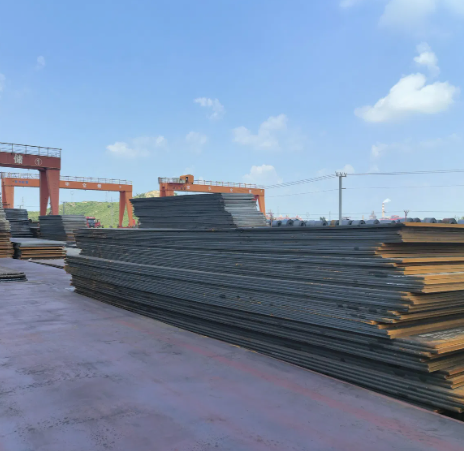
The Protective Process: How Patina Forms (Simply Explained)
A588 Grade B's corrosion resistance develops naturally over time, with no extra coatings needed-here's how it works:
Step 1: Initial Light Rust: When first exposed to air and moisture, Grade B develops a light orange rust (similar to ordinary steel) within 1–3 months. This is normal and the first step in patina formation.
Step 2: Patina Transformation: Over 3–12 months, the copper, chromium, and nickel in the steel react with the initial rust, turning it into a dense, dark gray-brown patina. This patina bonds tightly to the steel surface.
Step 3: Permanent Protection: Once fully formed, the patina acts as an impenetrable barrier, blocking oxygen and moisture from reaching the steel beneath-stopping further corrosion entirely, even in cold or moderately polluted environments.

Practical Value: Why This Matters for Your Projects
Its corrosion resistance delivers real benefits, especially for the heavy-duty and cold-climate projects Grade B is designed for:
Low Maintenance: No painting, sealing, or frequent touch-ups needed-saves time and cost compared to ordinary steel, which requires regular coatings to prevent rust.
Durability in Harsh Conditions: The patina holds up well in cold, damp environments (down to -20℃/-4℉), making it ideal for cold-climate structural projects like bridges or industrial supports.
Long Lifespan: In outdoor environments, Grade B lasts 25–35 years (even longer in mild conditions)-far longer than ordinary steel (5–10 years) and matching other Corten grades.

Quick Tip to Boost Corrosion Resistance
To ensure the patina forms properly and lasts longer, especially in cold or moderately polluted areas:
Let it weather naturally-avoid painting or coating, as this traps moisture and prevents patina formation.
Rinse with fresh water every 2–4 weeks in cold, damp, or slightly polluted areas to remove residue and ensure even patina development.
In short, A588 Grade B Corten Steel resists corrosion through its alloy composition and self-forming patina-just as effectively as other Corten grades. Its enhanced toughness adds durability for heavy-duty use, without sacrificing rust resistance, making it a reliable choice for demanding outdoor projects.


