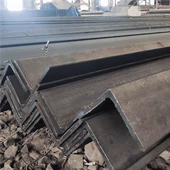
High-pollution industrial areas-filled with sulfur dioxide, chemical particulates, and acidic fumes-are brutal for outdoor structural steel, accelerating corrosion and shortening service life. For project owners and engineers, choosing a steel grade that can withstand these harsh conditions without constant maintenance is critical. SMA400AP Corten Steel, certified to JIS G 3114:2022, is often specified for outdoor industrial structures-but how does it actually perform when exposed to high levels of industrial pollution?
The answer lies in its JIS-mandated alloy composition and real-world performance data, which show SMA400AP delivers reliable, low-maintenance performance in most high-pollution settings-with clear limits and simple steps to maximize its durability.
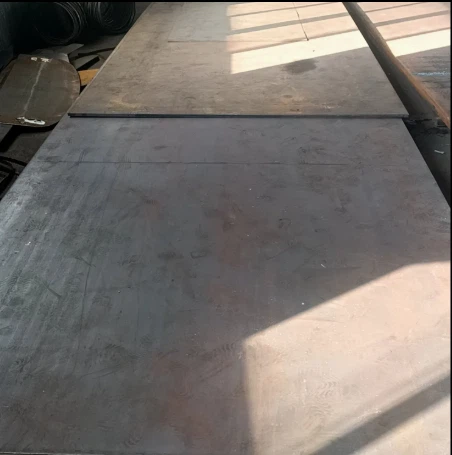
First: Why Industrial Pollution Damages Steel
To understand SMA400AP's performance, it's key to know what it's up against: industrial pollutants like sulfur dioxide (SO₂) react with moisture to form sulfuric acid, which penetrates and breaks down standard steel's rust layer. Plain carbon steel corrodes rapidly here, but SMA400AP's engineered alloy blend is designed to counteract this threat.

SMA400AP's Performance in High-Pollution Zones (JIS-Aligned Data)
Per JIS G 3114:2022 and field testing, SMA400AP's performance in high-pollution industrial areas is predictable and reliable, with two key traits standing out:
Corrosion Resistance: Its 0.30–0.50% copper and 0.45–0.75% chromium (mandated by JIS) form a dense, acid-resistant patina. In high-pollution environments, its annual corrosion rate is 0.02–0.05 mm/year-5–15x lower than plain carbon steel (0.1–0.3 mm/year). This means minimal cross-section loss over decades.
Patina Stability: Unlike plain carbon steel's flaking rust, SMA400AP's patina remains adherent even when exposed to acidic fumes. The patina fully stabilizes in 18–24 months (slower than rural areas, due to pollution) and acts as a barrier against further corrosion.

Practical Benefits for Industrial Projects
For industrial project teams, SMA400AP's performance translates to tangible, cost-saving benefits:
Reduced Maintenance: When painted (its intended use per JIS G 3114:2022), SMA400AP requires repainting only every 8–12 years in high-pollution areas-half as often as plain carbon steel (every 4–6 years).
Longer Service Life: With proper design, SMA400AP delivers a 25–35 year service life in high-pollution industrial zones, compared to 10–15 years for uncoated plain carbon steel.
Fabrication Flexibility: Its excellent weldability and formability (26–27% minimum elongation) make it easy to fabricate into industrial frames, equipment supports, and pipe racks-no specialized processes needed.

Limitations to Know (Avoid Costly Mistakes)
SMA400AP performs well in most high-pollution industrial areas, but it has clear limits (per JIS G 3114:2022):
It is not suited for extreme chemical exposure (e.g., direct contact with concentrated acids or chemical runoff)-these environments require specialized corrosion-resistant steel, not standard atmospheric Corten Steel.
Without paint, its patina may develop uneven rusting in highly acidic environments, increasing maintenance needs over time.

3 Tips to Maximize Performance in High-Pollution Areas
Apply a high-quality, acid-resistant paint coating to enhance corrosion protection (aligned with JIS G 3114:2022's intent for SMA400AP).
Design for positive drainage to eliminate standing water-trapped moisture mixed with pollutants accelerates corrosion.
Use weathering-matched welding consumables to ensure welds form a corrosion-resistant patina, avoiding weak points.
In short, SMA400AP Corten Steel delivers reliable performance in high-pollution industrial areas, thanks to its JIS G 3114:2022-mandated alloy blend. It outperforms plain carbon steel by far, reduces maintenance costs, and extends service life-making it a cost-effective choice for most industrial outdoor structural projects.