


If you've chosen Q265GNH Corten Steel for your outdoor project, you're likely eager to know how long it takes to develop its iconic protective patina. This natural, weathered layer is what makes Corten Steel low-maintenance and visually appealing-but many wonder if the wait is worth it, or if environmental factors will speed up or slow down the process. Will it take weeks, months, or longer? And does Q265GNH's light-duty nature affect patina formation time? The core answer is clear: Q265GNH Corten Steel typically takes 6 to 12 months to form a full, protective patina, with the exact timeline depending on environmental conditions and simple maintenance steps. Below is a concise, actionable guide.

Patina on Q265GNH: Simple Explanation
First, it's critical to distinguish patina from ordinary rust-they're not the same:
Patina is a thin, dense, dark gray-brown layer that forms naturally when Q265GNH reacts with oxygen, moisture, and small air particles.
Unlike flaky, damaging rust on ordinary steel, Q265GNH's patina bonds tightly to the steel surface, blocking corrosion and preserving its structural integrity (yield strength ≥265MPa) for decades.
Practical value: Once formed, the patina eliminates the need for coating, saving you time and maintenance costs.

Patina Formation Time by Environment (Practical for Your Project)
The biggest factor affecting how quickly patina forms on Q265GNH is the environment. Here's a breakdown of the most common scenarios:
1. Temperate Outdoor Environments (Ideal for Natural Formation)
Conditions: Mild temperatures (10-25℃), regular rainfall, low pollution (e.g., suburban gardens, residential yards, urban parks).
Formation Time: 6 to 8 months for a full, uniform patina.
What to Expect: The steel will gradually darken from silver to light brown, then to a consistent dark gray-this signals the patina is fully protective.
2. Humid/Mild Coastal Environments
Conditions: High humidity, frequent rainfall, or mild salt spray (1km+ from shore; e.g., coastal suburbs, inland ports).
Formation Time: 4 to 6 months-moisture and slight salt accelerate the chemical reaction between Q265GNH and the air.
Practical Tip: Rinse with fresh water monthly to remove salt deposits-this ensures the patina forms evenly, not spotty.
3. Dry/Arid Environments
Conditions: Low humidity (<50%), little rainfall, dry air (e.g., desert regions, arid urban areas).
Formation Time: 10 to 12 months (or longer in extremely dry areas).
Practical Tip: Lightly mist the surface with clean water every 2 weeks (avoid overwatering) to speed up patina formation without causing damage.

Quick Tips to Adjust Patina Timeline (If Needed)
Speed Up: Ensure good airflow around Q265GNH components (avoid enclosed spaces) and rinse with clean water weekly in dry areas.
Slow Down: Keep the steel in a covered area (limited rain/moisture) or wipe down monthly to remove excess moisture-useful for delaying patina temporarily during installation.

Common Mistakes to Avoid
Don't use chemicals to "force" patina: This creates a weak, uneven layer that won't protect Q265GNH long-term.
Don't paint before patina forms: Paint traps moisture, stops patina development, and leads to premature rust.
Don't worry about initial light rust: In the first 1-2 months, slight surface rust is normal-it evolves into the protective patina over time.
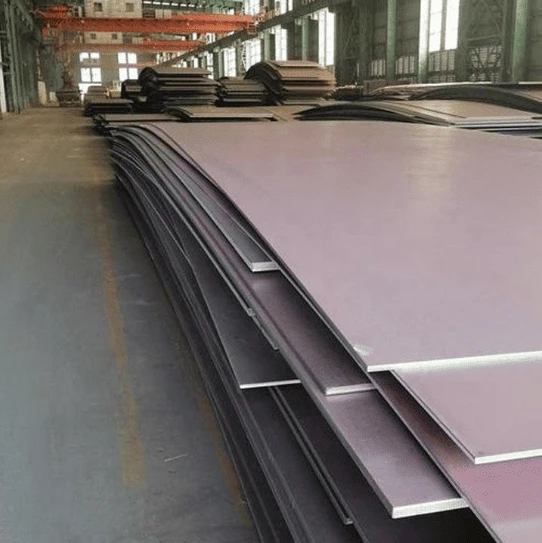
In short, Q265GNH Corten Steel forms a full protective patina in 6-12 months, with the environment being the key factor. By understanding this timeline and following simple tips, you can ensure the patina forms evenly and effectively, letting Q265GNH's corrosion resistance and aesthetic appeal shine for years.


