When planning a multi-level garden design, the visual concept is just the start. The next step is making sure your design is delivered efficiently and lasts for decades.
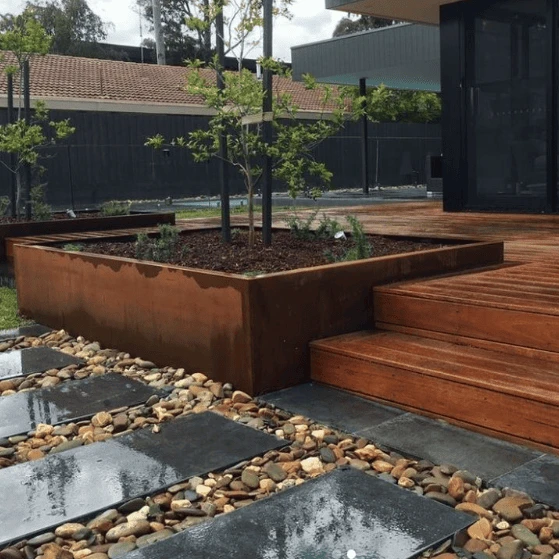
This guide explains how to build tiered gardens with retaining wall landscaping that is durable, functional, and visually appealing.
Key Takeaways:
What retaining walls do (and don't do)
Reasons to use retaining walls in landscaping
Optimal angles and design principles for stability
Importance of soil drainage
Avoiding bracing pitfalls
Maximizing durability through smart construction and material choice
1. What You Need to Know About Retaining Wall Landscaping
Retaining walls prevent soil erosion and stabilize sloped gardens. Properly designed walls combine functionality with aesthetic appeal, integrating seamlessly into garden designs.
Key Considerations:
Material selection: Stone, brick, concrete, or weathering steel.
Stone: natural, blends with garden.
Brick: classic, durable.
Concrete: versatile, moldable for unique layouts.
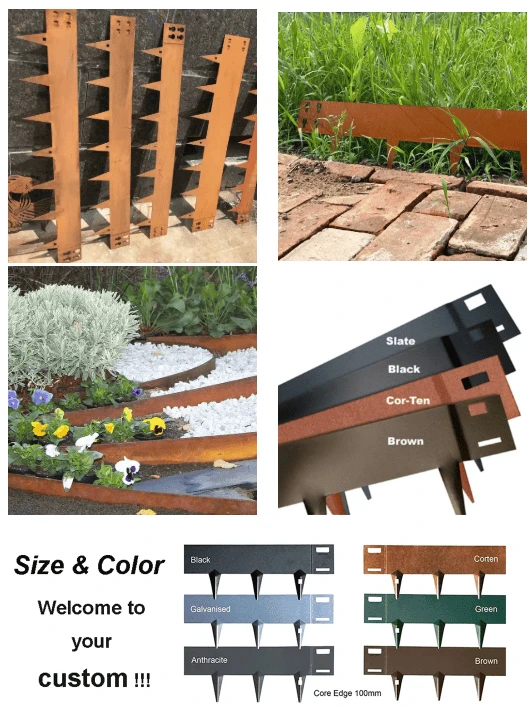
Weathering Steel panels:
Sturdy, low-maintenance, seamless rustic appearance.
Requires minimal foundation prep compared to traditional methods.
2. Construction Best Practices
Non-steel walls: Excavation, gravel or concrete foundation, first layer embedded, battering for backward lean.
Drainage: Incorporate weep holes or pipes to prevent water accumulation.
Vegetation integration: Deep-rooted plants stabilize soil and enhance aesthetics.
Terracing: Multi-level beds reduce soil pressure, improve planting options, and create layered visual effects.
3. Cost and Planning Considerations
Professional installation ensures structural integrity and longevity.
DIY requires strict adherence to guidelines.
Total costs include materials, foundation, labor, and maintenance.
Long-term investment: proper retaining walls protect soil and increase property value.
4. Case Study: Straightcurve Weathering Steel Retaining Panels
Weathering steel panels used to create tiers, stabilise soil, and secure mature plants.
Panels define pockets of interest, support viewing platforms, and allow access to garden decks.
Example project by David Negus (3D Gardener) demonstrates visual continuity and structural support.
Video & Brochure Resources:
Fly-through video of multi-level garden
Straightcurve brochure and price list
5. Professional Insights
Paul Greenyer, landscaper, highlights how Straightcurve panels handle soil loading and root pressure. Panels can be chained to control "tow in and tow out" for stability.
Joeri Tuijn, Straightcurve founder, explains physics and bracing principles:
Universal Bracing Set offers 10× more strength than typical low retaining wall solutions.
Avoid traditional bracing and footings; panels are engineered for minimal foundation and maximum stability.
6. Advantages of Modular Weathering Steel Panels
Beautiful Aesthetic: Contemporary, seamless vertical faces.
Reduced Maintenance: No mortar cracks or shifting.
Engineered Bracing: Stronger than standard; saves on concrete and labor.
Efficient: Minimal buried depth required; pay for visible material only.
Safe: Smooth rounded edges prevent injuries.
Flexible Design: Boxy, straight, or curved panels; heights 240mm, 400mm, 560mm.
Adaptable: Flex panels can be shaped by hand and fixed in place.
Locator & Purchase:
Stockist finder
Product catalogue
Installation videos
7. Conclusion & Helpful Resources
Retaining wall landscaping combines practicality and beauty. With the right materials, drainage, and design, your garden can achieve long-lasting stability and aesthetic appeal.
Recommended Resources:
Product catalogue & brochure
Image gallery
Installation videos
Stockist locations
Price list & case study PDF
Guides for garden edging and raised garden beds
Retaining walls are more than functional; with modular weathering steel panels like Straightcurve, you get durability, minimal maintenance, and modern aesthetics, making them ideal for multi-tiered, visually stunning garden projects.