


When fabricating Q265GNH Corten Steel for outdoor or light-duty projects, welding is often a necessary step to join components-from decorative frames to light guardrails. Many fabricators and buyers wonder if this light-duty Corten Steel (yield strength ≥265MPa) is suitable for welding, or if its composition makes it prone to defects like cracks or weakened joints. Will common welding methods work, or does Q265GNH require specialized techniques? The core answer is clear: Q265GNH Corten Steel is fully suitable for welding-most standard steel welding methods work well, with minor adjustments to preserve its strength and corrosion resistance. Below is a concise, actionable guide.

Why Q265GNH Is Weldable (Key Trait)
Q265GNH's weldability comes from its balanced chemical composition (low carbon content and weather-resistant alloys), which prevents brittleness and cracking during welding. Unlike some high-strength steels that require complex pre-welding steps, Q265GNH's light-duty design makes it forgiving for most common welding processes-critical for practical fabrication.
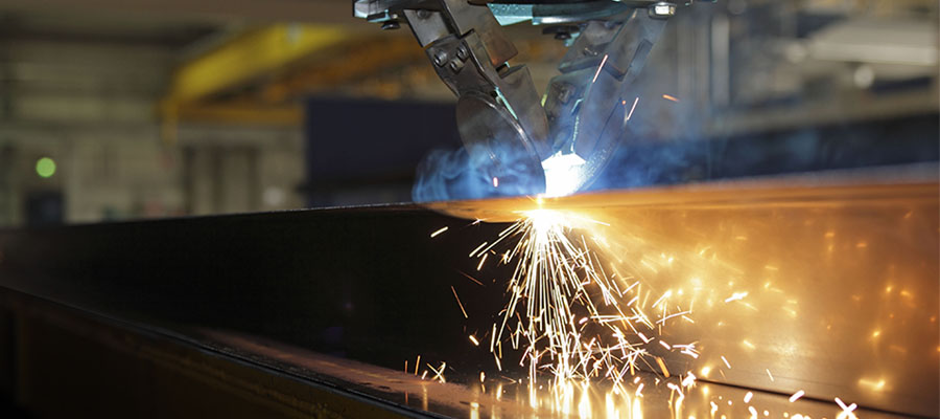
Recommended Welding Methods for Q265GNH
Most standard steel welding techniques work seamlessly with Q265GNH, with clear guidance for each:
Arc Welding (SMAW): The most common method for Q265GNH. Use E5015 or E5016 electrodes-they match Q265GNH's strength and corrosion resistance, ensuring strong, durable joints.
MIG Welding (GMAW): Ideal for thin-to-medium Q265GNH plates (3–25mm). Use ER50-6 welding wire; it's cost-effective and delivers smooth, uniform welds for decorative or light structural components.
TIG Welding (GTAW): Best for precise, high-quality welds (e.g., decorative art, small components). Use ER50-6 wire and pure argon shielding gas to avoid surface oxidation.

Practical Welding Tips (Avoid Defects)
Follow these simple steps to ensure successful welding and preserve Q265GNH's performance:
Pre-clean the surface: Remove dirt, oil, or loose rust from the welding area-contaminants cause porous or weak welds.
Preheating (only for thick plates): For plates ≥20mm, preheat to 80–100℃ to avoid cold cracks; thin plates (<20mm) need no preheating.
Control welding heat: Avoid excessive heat input-this can weaken the steel's corrosion resistance and cause warping. Use moderate current and slow welding speed.
Post-weld care: Remove slag and clean the weld area with a wire brush. This helps the patina form evenly over the weld, maintaining corrosion protection.

Common Welding Mistakes to Avoid
Using the wrong electrodes/wire: Avoid low-strength electrodes (e.g., E4303)-they create weak joints that can't match Q265GNH's yield strength.
Skipping pre-cleaning: Dirt or oil in the weld area leads to defects, reducing joint strength and corrosion resistance.
Overheating thick plates: Excessive heat causes the weld area to become brittle, increasing the risk of cracking over time.
In short, Q265GNH Corten Steel is highly suitable for welding with standard methods. By using the right electrodes/wire, following simple pre- and post-weld steps, you can create strong, corrosion-resistant joints that match Q265GNH's performance-perfect for light-duty and decorative projects.


