


For customers procuring SPA-C Corten Steel (JIS G 3125 standard), long-distance land transportation (e.g., by truck, rail) poses premature rusting risks due to dust, moisture, temperature fluctuations, and mechanical friction. Proper packaging and transportation measures are critical to preserving the material's surface integrity and ensuring subsequent uniform rust layer formation. This article clarifies the core anti-rust requirements for long-distance land transport.

1. Core Packaging Requirements for Anti-Rust
Surface Pre-Packaging Treatment: Clean the SPA-C surface to remove loose rust, dust, and oil stains. For untreated or newly processed materials, apply a thin layer of temporary, easily removable anti-rust oil (compatible with Corten Steel) to form a primary moisture barrier-avoid heavy oil coatings that hinder future rust layer formation.
Moisture-Proof & Dust-Proof Wrapping: Adopt a two-layer wrapping system for each bundle: ① Inner layer: VCI (Volatile Corrosion Inhibitor) film, which releases corrosion-inhibiting gas to protect the surface from moisture and minor chemical contaminants. ② Outer layer: Heavy-duty waterproof woven plastic cloth, which blocks dust, rain, and dew penetration during transit.
Sealing & Reinforcement: Seal all wrapping seams tightly with waterproof adhesive tape to prevent air and moisture ingress. Secure each bundle with galvanized steel straps (spacing ≤70cm) to avoid wrapping damage from shaking. For thin sheets (≤6mm), add a wooden or steel pallet base to elevate the bundle above the transport vehicle floor, preventing contact with accumulated water or debris.

2. Key Transportation Operation Requirements
Vehicle & Container Selection: Prioritize enclosed trucks or covered railcars to shield SPA-C from direct exposure to weather (rain, snow) and road dust. For open trucks (only if unavoidable), cover the entire load with an additional thick waterproof tarpaulin, secured with ropes at multiple points to prevent wind displacement.
Stowage & Fixing: Avoid over-stacking bundles-limit to 2-3 layers for thin sheets (≤8mm) and 1-2 layers for thick plates (>8mm) to prevent crushing the lower packaging. Use anti-slip mats between bundles and secure them to the vehicle with lashing straps to avoid collision and friction during acceleration, braking, or cornering, which can scratch the protective wrapping.
Environmental & Timing Controls: Avoid transporting SPA-C alongside corrosive goods (e.g., chemicals, fertilizers) or materials that release moisture (e.g., wet wood). Plan transit schedules to minimize exposure to extreme weather (heavy rain, high humidity) when possible; if delays occur, park the vehicle in a covered, well-ventilated area.

3. Post-Transportation Handling Suggestions
Timely Unpacking & Inspection: Unpack the SPA-C bundles within 3-5 days of arrival. Inspect the surface for rust spots or contamination; if slight rust is found, clean it with a soft wire brush. Remove temporary anti-rust oil with a compatible degreasing agent before surface treatment or installation.
Short-Term Storage After Unpacking: If immediate use is not possible, store unpacked SPA-C in a dry, well-ventilated warehouse. Avoid direct contact with concrete floors (use wooden pallets) and keep away from windows or doors where moisture and dust can enter.
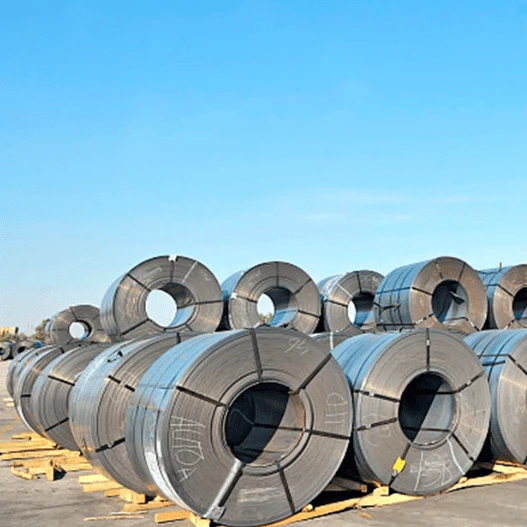
In summary, the core of SPA-C's anti-rust protection during long-distance land transport is "moisture-proof/dust-proof wrapping + stable stowage". Following these requirements effectively prevents premature rusting, ensuring the material's surface quality meets the needs of subsequent processing and uniform self-protective rust layer formation.


