


The Role of Corten Steel in Sustainable Urban Development
Introduction
Corten steel, also known as weathering steel, is playing an increasingly important role in sustainable urban development. As cities strive to reduce their environmental footprint and create more resilient infrastructure, Corten steel offers a combination of durability, aesthetic appeal, and sustainability. Its unique properties make it a perfect fit for modern urban landscapes and architecture.
Durability and Longevity
One of the key advantages of Corten steel in urban development is its exceptional durability. The material forms a protective patina when exposed to the elements, which acts as a barrier against further corrosion. This self-healing process minimizes the need for maintenance, reducing the frequency of repairs and coatings. As a result, Corten steel structures can endure harsh weather conditions and last for decades, making them an ideal choice for long-term urban infrastructure.
Environmental Benefits
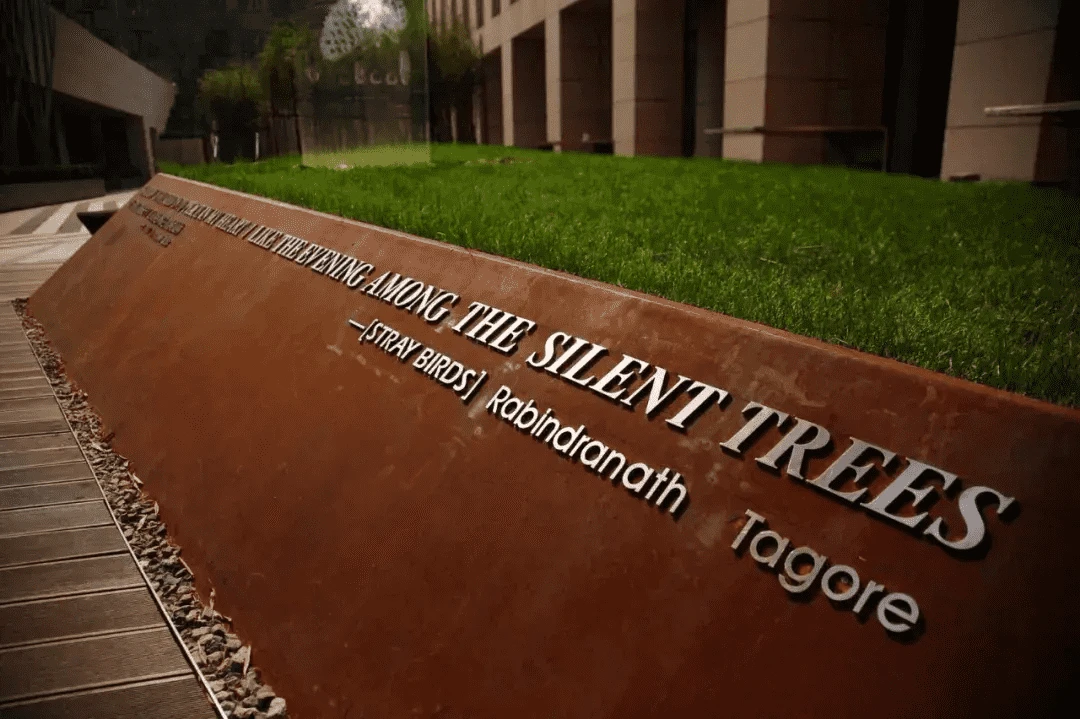
Corten steel contributes to sustainability in urban development by reducing the need for frequent maintenance and replacements. Its long service life means fewer materials need to be used over time, which aligns with the principles of resource efficiency and waste reduction. Additionally, Corten steel is fully recyclable, making it a sustainable material from both a production and end-of-life perspective. By using weathering steel, cities can promote circular economy practices and reduce their overall environmental impact.
Aesthetic and Design Value
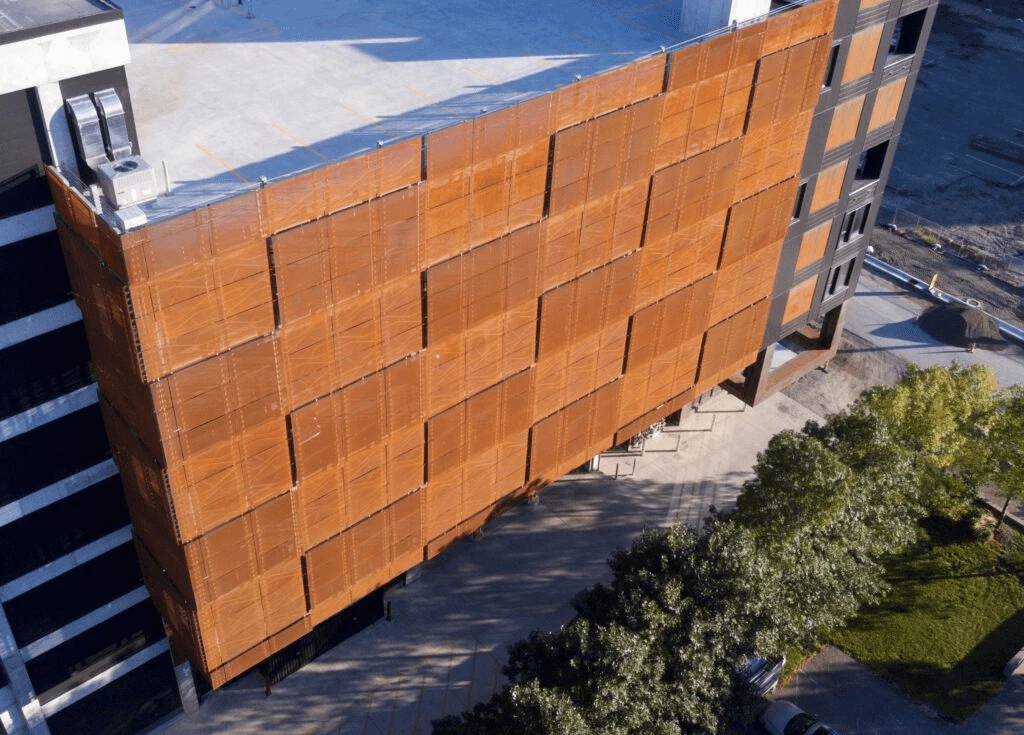
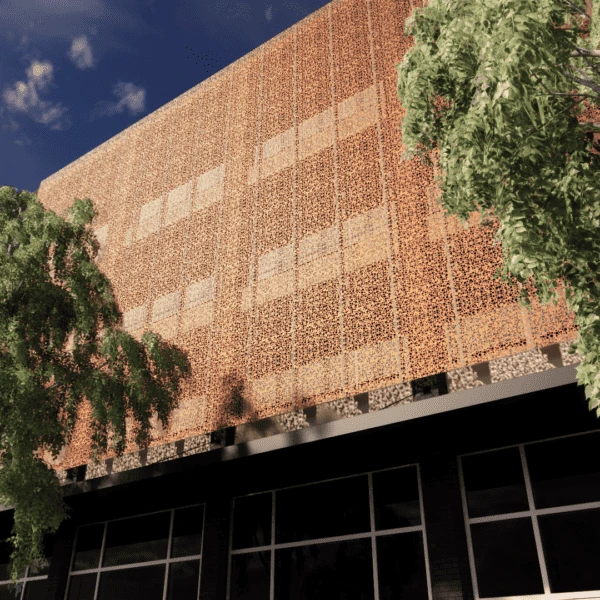
In urban settings, aesthetics are crucial. Corten steel offers a unique, natural rust-like appearance that evolves over time, providing a visually striking yet harmonious element in cityscapes. Whether used for public art, building facades, or urban furniture, the material's organic look integrates seamlessly with both modern and natural environments, contributing to the aesthetic appeal of urban spaces.
Conclusion
Corten steel plays a crucial role in sustainable urban development by offering durability, low maintenance, and aesthetic value. Its ability to resist corrosion, reduce environmental impact, and blend with its surroundings makes it an ideal material for the cities of tomorrow.


