


Wait, is it a good thing for metal to rust?
The idea of using rust to build robust and durable structures seems counterintuitive. After all, rust is generally the enemy of metal, weakening and destroying steel over time. So how does weathering steel-a material that appears to rust-maintain structural safety and reliability?
Let's delve into the unique properties of this remarkable material and explore how it works.
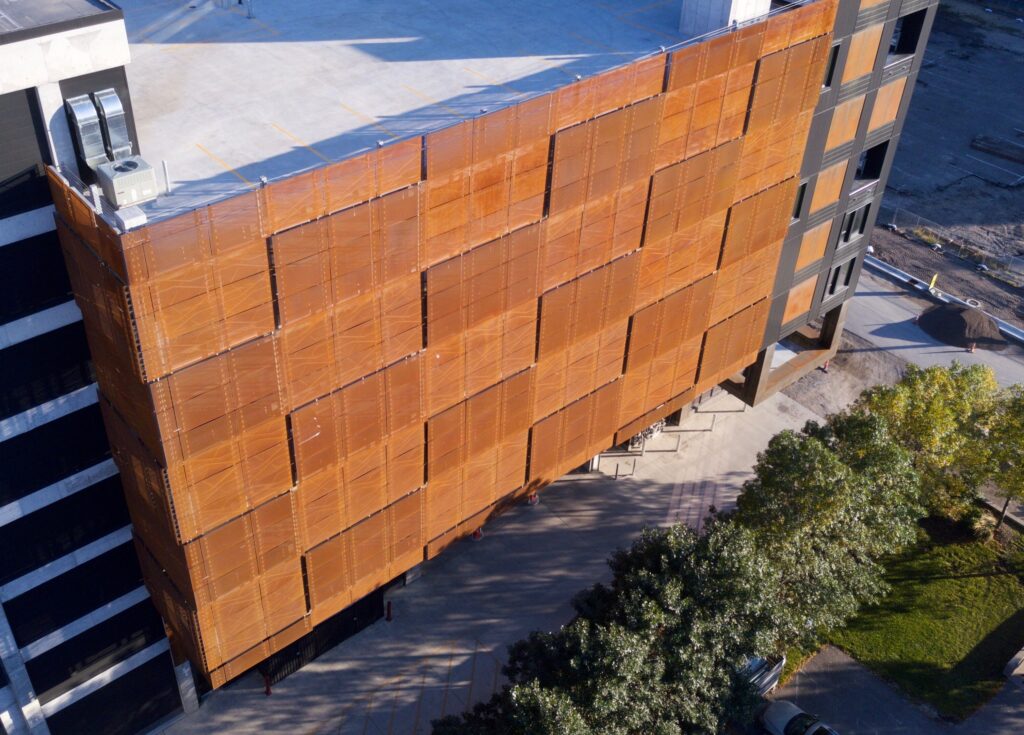
What is weathering steel?
Weathering steel, commonly known by its trade name Corton steel, is a special alloy designed to form a protective rust layer on the metal surface. Unlike the porous, flaky, and poorly adhering rust layer of ordinary carbon steel, weathering steel forms a dense, stable, and extremely strong protective layer. This layer, known as the rust layer, acts like a shield, protecting the underlying metal from further corrosion. The rust layer forming on the surface of weathering steel is not a destructive process, but a natural and beneficial one that enhances the material's durability.
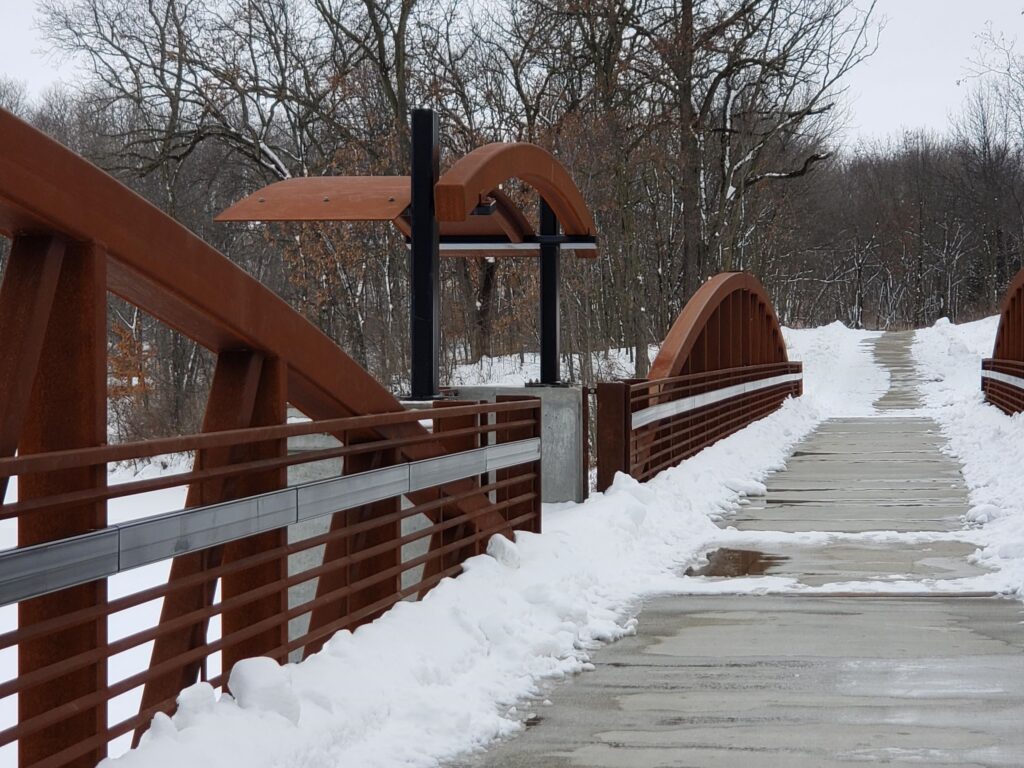
How is it made?
Weathering steel is a low-carbon alloy containing trace amounts of other elements such as copper, chromium, nickel, and phosphorus. These alloying elements play a crucial role in the unique protective oxide layer that weathering steel develops.
When copper is exposed to air and moisture, it reacts with oxygen and water to form patina. This process is a deliberately designed component in the steel's design. Patina forms a self-healing protective layer that embeds itself within the metal, providing long-term protection against environmental corrosion.
How long does it take for patina to form?
It takes time for ordinary steel to transform into weathering steel. Typically, it takes 2 to 6 years for the steel to fully form its oxide layer. The speed of this process depends on environmental conditions such as humidity, pollution levels, and the weathering cycle.
Weathering steel is most prone to rust formation in urban environments and areas with alternating wet and dry climates. Pollutants and climate change provide ideal conditions for the rusting process, thus forming a protective layer. Once the rust layer is fully formed, weathering steel's corrosion resistance will far exceed that of untreated metal.
Weathering steel may appear rusty, but this is precisely what makes it uniquely durable. The rust layer that forms on the steel surface is not a sign of wear, but rather a testament to the metal's strength. The rust layer bonds tightly to the steel surface, providing protection and making weathering steel more durable than ordinary carbon steel in many applications, thus becoming an ideal material that combines structural strength and aesthetics.


