


Pre-installation preparation is often the overlooked step that determines the long-term performance of SMA400BW Corten Steel structures. Even with its JIS G 3114:2022-mandated corrosion resistance and strength, improper pre-installation can damage the steel's patina, create corrosion hotspots, or compromise structural integrity-leading to premature issues and costly rework. Getting pre-installation right ensures your SMA400BW structure starts strong, maintains its durability, and delivers the full service life you expect.
Below is a clear, lightweight guide to essential pre-installation tips for SMA400BW Corten Steel, grounded in JIS standards and real-world installation experience, with actionable steps for project teams.

1. Material Inspection & Storage (Before On-Site Delivery)
Proper handling starts before the steel arrives on site-this preserves its surface and properties per JIS G 3114:2022:
Inspect SMA400BW components upon delivery: Check for scratches, dents, or rust spots (signs of damage during transport). Reject components with deep scratches (>1mm) that penetrate the alloy layer critical for patina formation.
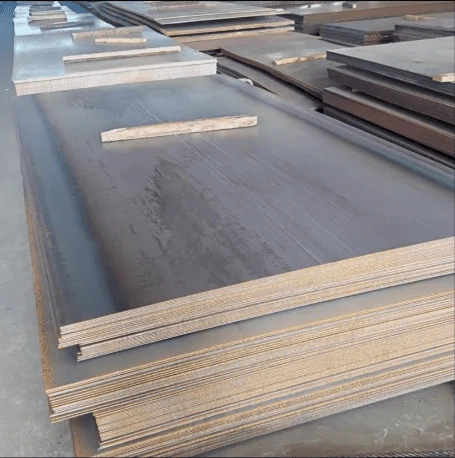
Store in a dry, well-ventilated area: Keep components off the ground (use wooden pallets) to avoid moisture buildup and soil contamination. Cover with a breathable tarp (not airtight plastic) to protect from rain while allowing airflow.
Separate from other steels: Avoid storing SMA400BW with carbon steel-iron residue from carbon steel can contaminate its surface and disrupt patina formation.

2. On-Site Surface Preparation
A clean, undamaged surface is key to SMA400BW's corrosion resistance-take these steps before installation:
Gently clean surfaces with a stainless steel brush to remove loose dirt, dust, or mill scale. Avoid aggressive sanding or grinding, which can strip the outer alloy layer (required for patina development).
Remove oil, grease, or chemical contaminants with a mild, pH-neutral cleaner (never harsh solvents). Rinse thoroughly with fresh water and let air-dry completely-contaminants can prevent proper patina formation.
Touch up minor damage: For small scratches (<1mm), lightly brush the area to encourage natural patina formation after installation. For larger damage, consult a Corten specialist to avoid structural risks.

3. Welding & Fabrication Prep (Critical for JIS Compliance)
If on-site welding is required, proper prep ensures joints meet JIS G 3114:2022 standards and resist corrosion:
Use only weathering-matched welding consumables (e.g., E7018-W for SMAW, ER70S-G for GMAW) to ensure welds form the same protective patina as the parent steel.
Clean weld joints thoroughly: Remove any rust, debris, or mill scale from the joint area (10–15mm on either side) to ensure strong, corrosion-resistant welds.
Avoid pre-heating unless necessary: For SMA400BW ≤20mm thick, no pre-heating is required (per JIS). For thicker sections (>20mm), pre-heat to 80–150°C to prevent cold cracking.

4. Installation Site Preparation
Prepare the installation site to prevent post-installation moisture buildup and corrosion:
Ensure proper drainage: The site should slope away from the structure to avoid standing water, which mixes with dirt and pollutants to accelerate corrosion.
Install proper supports: Use corrosion-resistant fasteners (e.g., hot-dipped galvanized or stainless steel) to avoid galvanic corrosion between SMA400BW and other metals.
Clear the area: Remove debris, soil, or vegetation from the installation zone-these can trap moisture and contaminate the steel's surface.
5. Post-Prep Final Check (Before Installation)
A quick final check ensures you're ready to install and preserve SMA400BW's performance:
Verify all components are clean, dry, and free of damage or contamination.
Confirm welding consumables and fasteners are compatible with SMA400BW (per JIS G 3114:2022).
Ensure installation teams are aware of Corten handling best practices (e.g., no carbon steel tools that leave residue).
In short, pre-installation preparation is critical to maximizing SMA400BW Corten Steel's durability and service life. By following these simple, JIS-aligned tips, you can avoid common pitfalls, ensure compliance, and set your structure up for long-term, low-maintenance performance.


