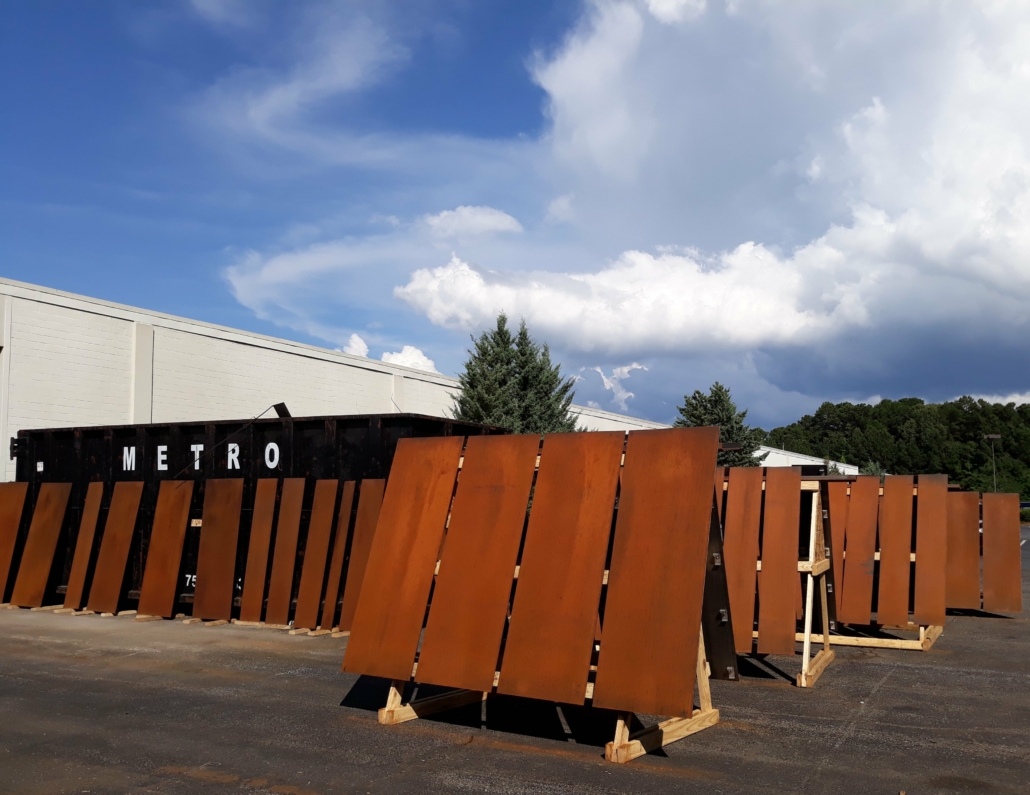
If you are working with weathering steel, you've likely encountered the grade S355J0WP. This European-standard material, often equated with the well-known COR-TEN A, is prized for its self-protecting rust patina. But its performance is not accidental; it is precisely engineered through a specific chemical composition mandated by the EN 10025-5 standard.
This article breaks down the essential chemistry of S355J0WP, explaining not just the "what" but the "why" behind each element, empowering you to specify and verify this material with confidence.
The Chemical Blueprint: Key Requirements
The defining characteristic of S355J0WP is its alloy package designed to form a stable, adherent rust layer. The following table outlines the core chemical composition as per EN 10025-5, which creates its weathering properties.
| Element | Key Requirement (% by weight) | Primary Role in Corten Steel |
|---|---|---|
| Carbon (C) | Maximum 0.12% | Controls strength and hardness; lower carbon improves weldability. |
| Phosphorus (P) | 0.06% to 0.15% | A critical element that strongly accelerates the formation of the protective patina. |
| Copper (Cu) | 0.25% to 0.55% | Fundamental for atmospheric corrosion resistance; the cornerstone of weathering steel. |
| Chromium (Cr) | 0.30% to 1.25% | Enhances corrosion resistance and helps form a dense, protective oxide layer. |
| Nickel (Ni) | Up to 0.65% (may be specified) | Improves toughness and adds to the overall corrosion resistance. |
| Other Elements | Sulfur (S) max ~0.035%, Silicon (Si) max ~0.75%, Manganese (Mn) max ~1.00% | Typically managed as impurities or for metallurgical control during manufacturing. |
Important Note on Designation: The correct standard designation is S355J0WP. The "355" indicates the minimum yield strength in MPa, "J0" denotes impact toughness tested at 0°C, "W" stands for "weathering," and "P" indicates the higher phosphorus content specific to this grade.
Why This Specific Chemistry Matters
Understanding the function of these elements explains the steel's behavior and optimal use:
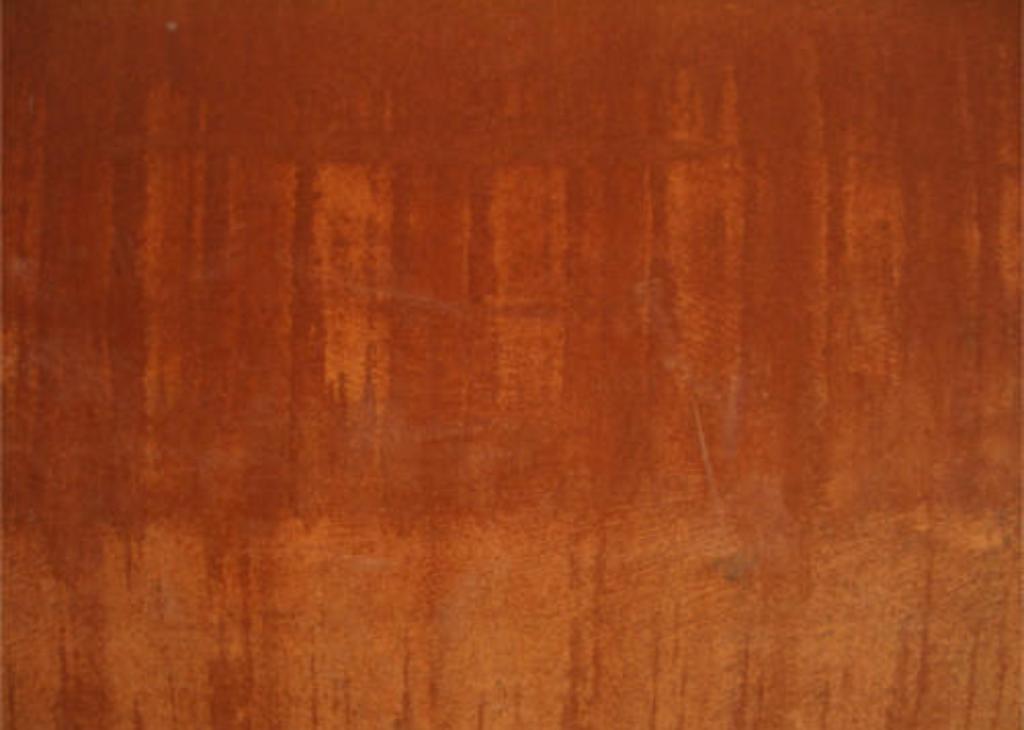
The Patina-Forming Trio (P, Cu, Cr): Phosphorus, copper, and chromium work synergistically. When exposed to wet/dry cycles, they promote the formation of a dense, stable rust layer (patina) that adheres tightly to the steel substrate. This patina acts as a barrier, dramatically slowing further corrosion to a minimal, predictable rate.
Strength vs. Weldability: The low maximum carbon content ensures the steel remains readily weldable using standard procedures, which is crucial for fabrication. The strength is instead achieved through the combination of other alloys and the manufacturing process.
Application Guidance: Due to its specific chemistry and properties, S355J0WP (COR-TEN A) is ideally suited for architectural facades, aesthetic cladding, and structural applications with moderate loads. For heavy-load bearing primary structures, engineers often specify S355J2W (COR-TEN B), which has a different chemical balance optimized for higher impact toughness.

Practical Steps for Verification
Knowing the specification is one thing; ensuring your supplied material complies is another. Follow these steps:
Specify Precisely: In your order, always state the full standard: "S355J0WP according to EN 10025-5."
Request the Mill Certificate: You must obtain an EN 10204 Type 3.1 Mill Test Certificate (MTC) from your supplier. This legal document from the producing mill lists the actual heat analysis results for the chemical composition of your specific batch, confirming it meets the requirements in the table above.
Review the Certificate: Check that the measured values for Phosphorus (P), Copper (Cu), and Chromium (Cr) fall within the specified ranges. This is your guarantee of the material's weathering capability.
In summary, the performance of S355J0WP Corten Steel is a direct result of its tightly controlled chemical recipe, as defined by EN 10025-5. By specifying it correctly and verifying the chemistry through mill certificates, you ensure your project benefits from its iconic aesthetic and long-term, low-maintenance durability.