


S355K2W and S355J2W are both widely used S355-series Corten Steels, sharing similar chemical compositions (Cu, Cr, P for weather resistance) and room-temperature mechanical properties. However, their low-temperature toughness differs significantly-a key factor that determines their applicability in cold environments. For engineers and procurement teams selecting materials for low-temperature projects, a critical question arises: What is the difference in low-temperature toughness between these two grades? The definitive answer, rooted in EN 10025-5 standards, is clear: The core difference lies in the minimum test temperature for impact toughness-S355K2W is rated for -40℃, while S355J2W for -20℃-resulting in distinct suitability for cold-region service. Below is a concise, actionable breakdown.

Key Background: Low-Temp Toughness & Impact Testing
Low-temperature toughness refers to a material's ability to resist brittle fracture under impact loads in cold conditions, measured by Charpy V-notch impact energy (per EN ISO 148-1). A higher energy value indicates better toughness:
Brittle fracture risk rises as temperature drops-steel loses ductility and cannot absorb impact energy, leading to sudden failure.
EN 10025-5 mandates minimum impact energy (≥27J) for S355-series Corten Steels, but the test temperature varies by grade (encoded in the suffix).

Core Difference: Impact Toughness at Critical Temperatures
The suffixes "K2" and "J2" in the grades directly define their low-temperature toughness limits. Here's a detailed comparison based on EN 10025-5:
1. S355K2W Corten Steel
Test Temperature: -40℃ (the strictest low-temperature requirement for S355-series weather-resistant steels).
Minimum Impact Energy: ≥27J (Charpy V-notch test).
Performance Trait: Maintains ductility and impact resistance even at ultra-low temperatures (≤-40℃). The fine grain structure (optimized during production) resists brittle fracture under dynamic loads (e.g., wind, snow impact).
2. S355J2W Corten Steel
Test Temperature: -20℃ (moderate low-temperature requirement).
Minimum Impact Energy: ≥27J (same as S355K2W, but at a higher test temperature).
Performance Trait: Performs well at -20℃ but loses toughness rapidly below this threshold. At -40℃, impact energy may drop below 27J, increasing brittle fracture risk.
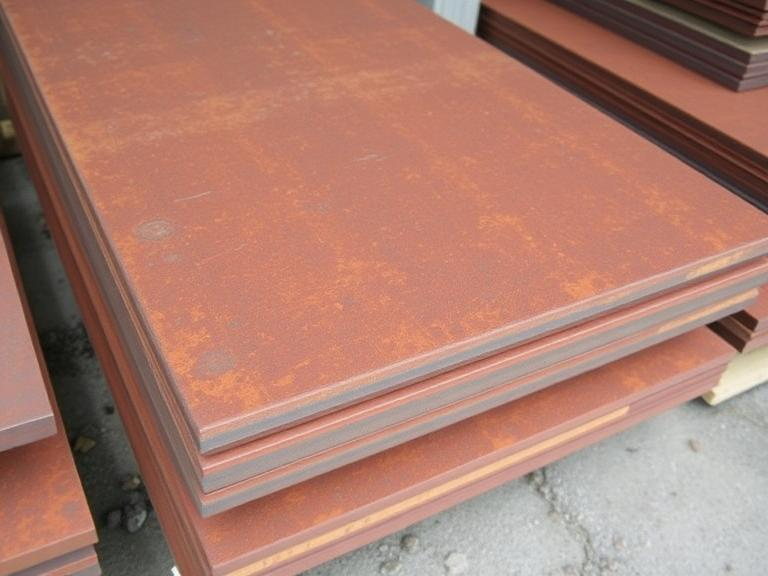
Commonality: Weather Resistance & Room-Temp Properties
It's critical to note that the two grades share identical weather resistance and room-temperature mechanical properties:
Chemical composition: Cu≥0.20%, Cr≥0.50%, P 0.07-0.15% (per EN 10025-5), ensuring similar protective patina formation and corrosion resistance.
Room-temperature strength: Yield strength ≥355MPa, tensile strength 470-630MPa-suitable for the same load-bearing requirements in non-extreme cold environments.

Application-Specific Selection Guidance
The toughness difference directly dictates project applicability. Choose based on the minimum service temperature:
S355K2W: Ideal for ultra-low-temperature regions (≤-40℃), such as alpine bridges, polar industrial frames, and high-altitude supports. Mandatory for structures subject to dynamic loads in extreme cold.
S355J2W: Suitable for temperate cold regions (-20℃ to 0℃), like winter rainfall areas or mild alpine zones. A cost-effective alternative when ultra-low-temperature resistance is unnecessary.
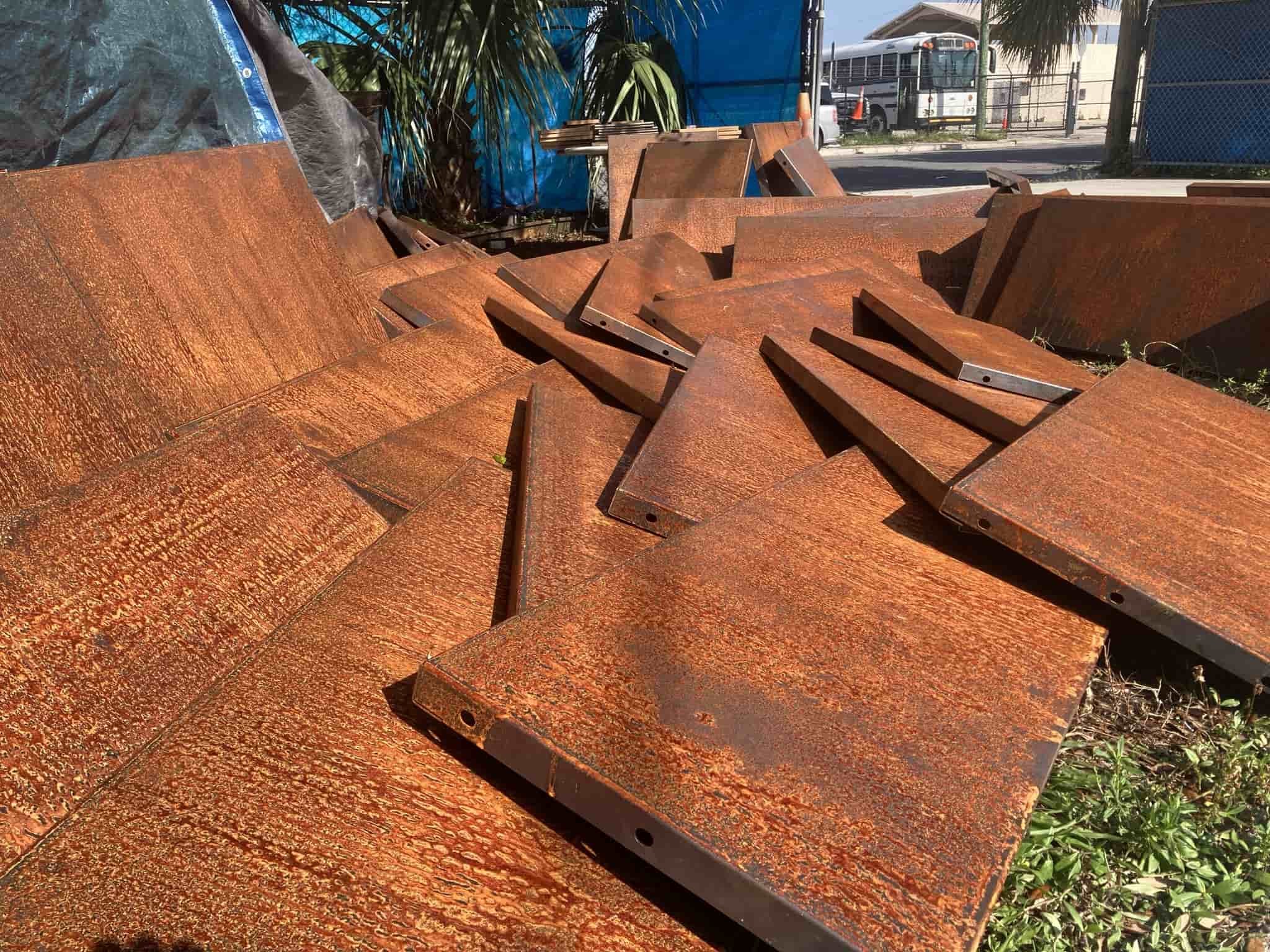
Key Selection Pitfall to Avoid
Do not substitute S355J2W for S355K2W in ≤-40℃ environments-even if weather resistance and strength are identical, the insufficient low-temperature toughness can lead to catastrophic structural failure. Always verify the minimum service temperature before selection.
In summary, the core difference between S355K2W and S355J2W lies in low-temperature impact test temperature (-40℃ vs -20℃), resulting in distinct ultra-low-temperature performance. Select S355K2W for ≤-40℃ service and S355J2W for milder cold conditions, balancing performance needs and budget.


