


Welding S355W Corten Steel (European standard EN 10025-5) demands a critical focus: selecting consumables that ensure weld joints match the base material's weather resistance and medium strength (yield strength ≥355MPa). A mismatched consumable will turn the weld into a corrosion and strength weak point, undermining the entire structure's durability. What are the most compatible welding consumables for S355W? The core principle is alloy alignment for weather resistance + strength matching for structural integrity. Below is a concise, actionable guide tailored to common welding scenarios.
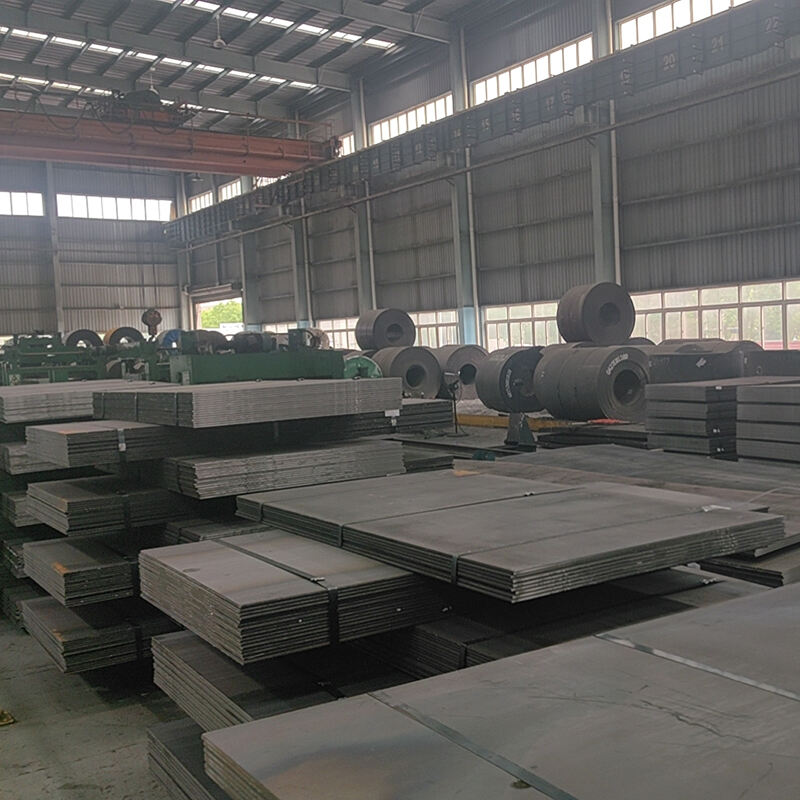
Core Selection Principle: Match Alloy & Strength
S355W's performance relies on Cu, Cr, and P for weather resistance and a medium-strength matrix. Ideal welding consumables must meet two key criteria: ① Contain complementary Cu and Cr to form a corrosion-resistant rust layer with the base material; ② Provide yield strength ≥355MPa to match S355W's structural capacity; ③ Maintain good toughness to avoid brittle fracture in welds.

Welding Method & Consumable Matching (Practical Scenarios)
Consumable selection varies by welding method-here are the most reliable matches for S355W in industrial and architectural projects:
1. MIG/MAG Welding (High Efficiency for Large-Scale Projects)
Recommended Consumable: ER80S-GNiCu Solid Wire (compliant with AWS A5.18)
Key Advantages: ① Alloy alignment: Contains Ni (0.20-0.40%), Cu (0.20-0.40%), and Cr (0.40-0.65%)-synergizes with S355W's elements to form a uniform protective rust layer; ② Strength matching: Yield strength ≥415MPa, exceeding S355W's requirement to ensure joint integrity; ③ Stable welding process: Low spatter and smooth bead formation, suitable for thick plates (8-25mm) in industrial frames and port structures.
Practical Tip: Use 80% Ar + 20% CO₂ shielding gas to enhance arc stability and reduce weld porosity.
2. SMAW (Stick Welding, Versatile for On-Site Work)
Recommended Consumable: E8018-G Weather-Resistant Covered Electrode (compliant with AWS A5.5)
Key Advantages: ① Alloy compensation: The electrode coating releases Cu and Cr during welding, making up for alloy loss in the weld pool; ② Strength & toughness balance: Yield strength ≥415MPa with good room-temperature toughness, suitable for on-site welding of load-bearing components (e.g., bridge supports, offshore platform auxiliary structures); ③ No need for shielding gas, ideal for outdoor or remote construction sites.
Practical Tip: Dry the electrode at 300-350℃ for 1 hour before use to remove moisture and prevent weld cracking.
3. GTAW (TIG Welding, Precision for Thin Sheets/Decorative Welds)
Recommended Consumable: ER80S-GNiCu TIG Filler Wire (compliant with AWS A5.18)
Key Advantages: ① Ultra-low impurity content: Ensures high weld quality and clean appearance, perfect for decorative S355W components (e.g., architectural facades, precision railings); ② Minimal heat input: Avoids grain coarsening in the weld heat-affected zone, maintaining the ductility and corrosion resistance of thin S355W sheets (≤6mm); ③ Consistent alloy composition with MIG wire, ensuring uniform rust layer formation across different welds.
Practical Tip: Use pure Ar shielding gas (99.99%) to protect the weld pool and tungsten electrode.
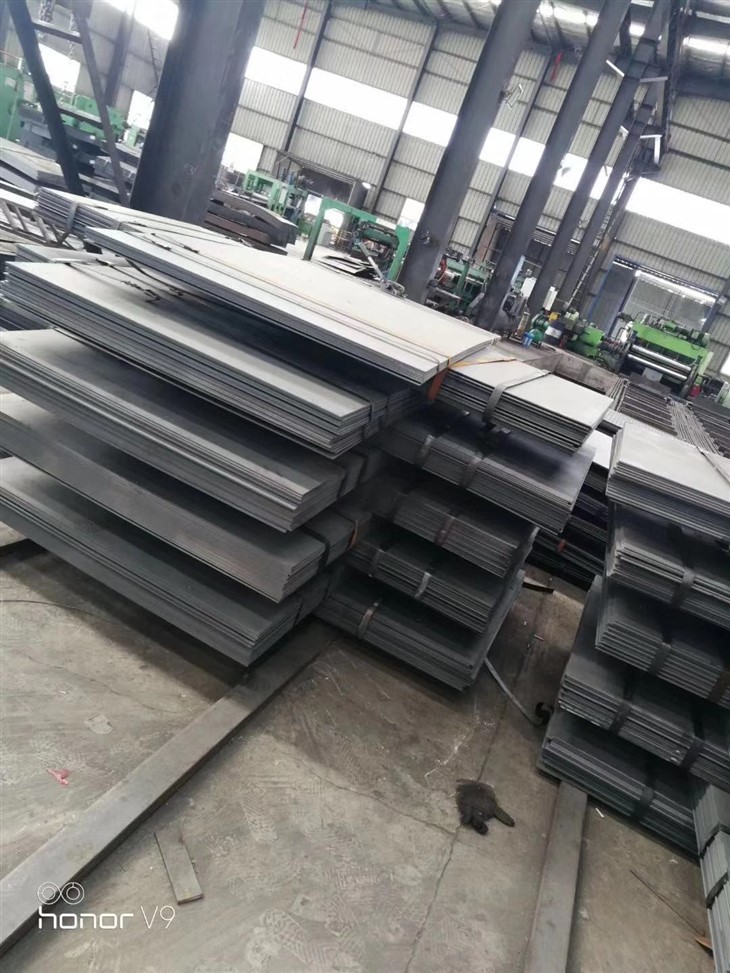
Critical "Don'ts" for Durable Weld Joints
Avoid low-strength consumables (e.g., ER70S-G, E7018) designed for S235-series steel-their yield strength (≤345MPa) is insufficient for S355W, leading to joint failure under load.
Do not use standard carbon steel consumables (e.g., ER70S-6, E6013) lacking Cu and Cr-welds will corrode far faster than the S355W base material, causing premature structural damage.
Steer clear of over-matching high-strength consumables (e.g., ER90S-G) unnecessarily-they increase weld hardness and risk cold cracking, especially in thick plates.
In summary, the most compatible welding consumables for S355W are ER80S-GNiCu (MIG/GTAW) and E8018-G (SMAW). Prioritizing alloy alignment for weather resistance and strength matching ensures weld joints perform as reliably as the base material, meeting the long-term durability needs of medium-strength weather-resistant structures.


