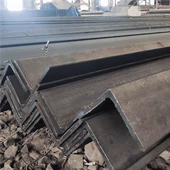
The patina color of Corten B does change significantly over time, following a clear, multi-stage color evolution. Although Corten B is a high-performance weathering steel with higher alloy content (Cr, Ni, sometimes Mo) than ordinary weathering steels, its surface color still matures gradually from bright tones to stable dark tones under natural outdoor exposure.
Full patina color development process of Corten B
Initial stage: 1–3 months
The original steel surface oxidizes rapidly.
Color changes from silver-gray to light yellow, golden brown, then bright orange-red.
The rust layer is relatively loose, and rust runoff may appear in rainy weather.
Color is unstable and changes visibly week by week.
Intermediate stage: 3–12 months
With alternating wet-dry cycles, the rust layer gradually densifies.
Color transitions from red-brown to deep brown, coffee brown.
Loose rust decreases, surface becomes more uniform, and runoff is greatly reduced.
Color stabilizes slowly but still shifts slightly with seasons and climate.

Stable mature stage: 1–3 years
Forms a dense, tightly bonded protective patina.
Final stable color is usually dark chocolate brown, gray-brown or dark taupe.
Under normal atmospheric environment, the color no longer has obvious changes.
This stable dark tone can be maintained for many years.
What environmental factors will cause continued color changes?
Even after reaching basic stability, Corten B's patina color may still adjust slightly:
In industrial or acid-rain environments, it tends to be darker gray-brown.
In clean rural atmospheres, it may remain slightly warmer brown.
Long-term shade, poor ventilation or accumulated moisture may lead to local darkening or black streaks.
Coastal salt spray will damage patina uniformity and cause uneven discoloration.

How to stop color change permanently
If you want to fix the color at a certain stage and prevent further darkening or fading:
Clean the surface to remove loose rust.
Apply a layer of transparent weather-resistant sealer (acrylic, polyurethane or fluorocarbon clear coat).
This locks the current color, prevents rust runoff and blocks further oxidation.