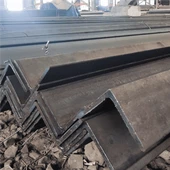
The thickness of S355J0WP steel plate itself does NOT change its inherent rust resistance (atmospheric corrosion resistance), but it greatly affects how long the part can safely resist corrosion and remain functional in service.
1. Inherent corrosion resistance ≠ thickness
S355J0WP's ability to form a stable, protective patina depends only on its chemical composition (Cu, Cr, P, Ni), not on thickness.
A 2 mm plate and a 20 mm plate of S355J0WP have identical corrosion rate in the same environment.
2. Thickness affects service life & structural safety
Thicker plates have more material to consume before corrosion reduces strength or causes perforation.
For outdoor structures exposed long-term:
Thinner plates (≤ 3 mm) can be easily penetrated by localized corrosion.
Thicker plates (≥ 6 mm) provide a much longer safe service life.

3. Thickness influences surface stability
Thinner plates are more likely to warp or deform due to uneven rusting or thermal stress.
Thicker plates maintain flatness better, so the patina forms more evenly and remains protective.
4. Practical effect on signage & outdoor panels
Thin S355J0WP (2–4 mm):Good for light decorative parts, but risks rust-through over decades.
Medium thickness (5–10 mm):Most popular for signage, screens, facades - balances weight, stability, and durability.
Thick plates (> 10 mm):Used for structural components where long-term reliability is critical.
5. Edge effect
Thicker plates have thicker edges, which corrode more slowly and uniformly.
Thin edges can become over‑rusted or jagged earlier.