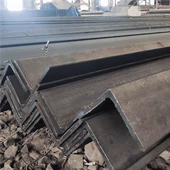
Have you ever wondered how quickly Corten steel edging develops that iconic rusty look? When it's brand new, Corten steel appears shiny and modern, like a sleek architectural feature. What makes it truly special is how it transforms over time, blending durability with a naturally aged aesthetic.

At first, your Corten steel edging will have a smooth metallic finish-a blank canvas ready to evolve. Over time, it develops a weathered, rusted patina that adds warmth and character to any garden, pathway, or landscape border.
Why Does Corten Steel Edging Rust?
Corten steel is designed to weather naturally. Its unique composition, which includes copper, chromium, nickel, and phosphorus, allows it to form a stable rust layer, known as a patina, after exposure to air, rain, and sunlight.
This patina is not just aesthetic-it actually protects the steel from deeper corrosion, making Corten edging highly durable for outdoor applications. Before rusting,
Corten looks more like modern metal than traditional "rusty steel," which surprises some first-time users. But patience reveals its full charm.
How Long Does Corten Steel Edging Take to Rust?
Based on experience in landscaping and metalworks, Corten steel edging typically takes between 6 months and 2 years to develop its full rusted patina. The timeline depends on factors like:
Climate: Humid or rainy environments accelerate rust formation.
Exposure to Salt Air: Coastal areas speed up patina development.
Wet/Dry Cycles: Frequent wetting and drying mimic natural weathering, aiding the process.
The result is a rich, earthy orange-brown finish that gives your garden edging a naturally aged, elegant appearance while ensuring long-term corrosion resistance.
How to Speed Up the Rusting Process
If you want your Corten steel edging to achieve its characteristic patina faster, there are several methods:
Water Treatment:
Regularly mist the surface and allow it to dry to simulate natural wet/dry cycles.
Salt Solution:
Apply a water and salt mixture to accelerate oxidation, similar to coastal weathering.
Vinegar & Hydrogen Peroxide:
Mix equal parts vinegar and peroxide and apply to the steel. This encourages faster rust formation.
Commercial Accelerators:
Specialized weathering solutions promote rust formation; follow manufacturer guidelines.
High-Humidity Placement:
Position the edging in areas with higher moisture levels to encourage faster rusting.
Pro Tip: Chemical treatments can affect uniformity and long-term durability. Test on a small section first to ensure the desired finish.
Can You Slow or Prevent Rust on Corten Steel Edging?
While Corten is intended to form a protective rust layer, it's possible to slow down or minimize the process:
Clear Coating: Apply a transparent sealant to block moisture and air, maintaining a cleaner look.
Regular Cleaning: Remove pollutants, salts, and debris to slow oxidation.
Sealing: Use corrosion-inhibiting sealants to preserve the steel's surface.
Dry Environment: Placing edging in low-humidity areas slows rust formation.
Ongoing Maintenance: Inspect and touch up the edging as needed to maintain appearance.
Completely preventing rust is difficult, as it is a defining feature of Corten steel. For those who want a long-lasting, rust-free look, alternative steel types with coatings or paints may be considered.
Key Takeaways for Corten Steel Edging
Natural Beauty: Rust forms gradually, creating an appealing patina.
Durability: The patina layer protects the steel, making it ideal for outdoor landscaping.
Flexibility: You can accelerate or slow the rusting process depending on your project needs.
Maintenance: Minimal upkeep is required; occasional rinsing is sufficient for long-term aesthetics.
Gnee's Corten Steel Edging brings both style and function to your garden, creating borders that define spaces while developing a unique, weathered character over time.
Whether for pathways, flower beds, or lawn borders, Corten steel edging is a practical and artistic choice for any outdoor design.