


For architects and fabricators, achieving the iconic, consistent patina on S355W Corten steel is key to its aesthetic success. While it weathers naturally, proactive surface treatment is essential for guiding a uniform and controlled transformation.

The Core Principle: Start Clean, Stay Even
The most critical step is surface preparation. Mill scale, grease, or paint residues will block uniform oxidation, causing permanent, unsightly patches. The only reliable method is abrasive blasting to a "near-white metal" finish (Sa 2½), creating a perfectly clean, uniformly textured canvas for oxidation to begin evenly across the entire surface.
Effective Methods for Guiding Patination
Once clean, these methods accelerate and regularize the natural process:
Controlled Water Cycling
The simplest and most natural method. It involves regularly misting the steel with clean water (ideally deionized to prevent mineral spotting) and allowing it to dry completely. This repeated cycle of wetting and drying is the exact condition needed for the protective patina to form, ensuring all areas develop at a similar rate.
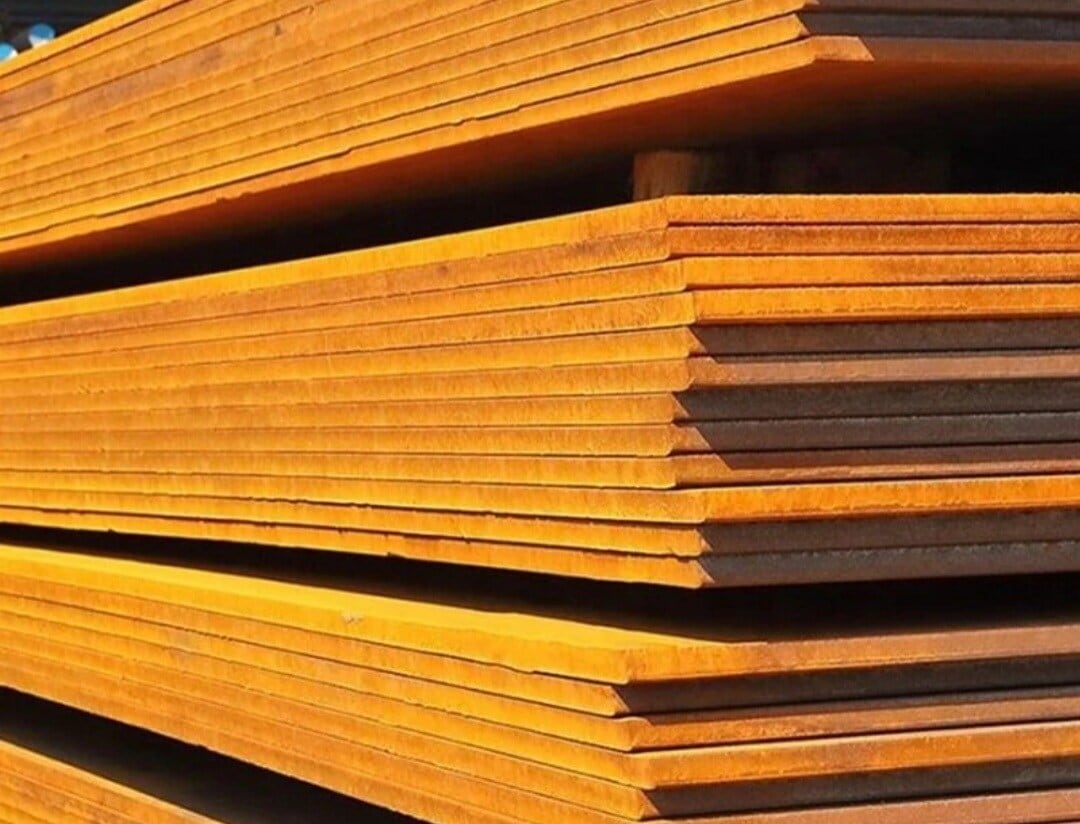
Chemical Acceleration
A mild acidic or saline solution can jumpstart a more even initial rust layer.
Common Agents: A diluted mixture of white vinegar and hydrogen peroxide (e.g., 4:1 ratio) or a weak saltwater solution (2-3% salinity).
Process: Apply evenly with a sprayer, let it react for 15-60 minutes, then rinse thoroughly. Follow with regular water cycling. Always test on a small scrap piece first to judge the color development and effect.
Professional Patina Solutions
Several commercial catalysts are formulated specifically for weathering steels. These proprietary solutions are brushed or sprayed on and often contain compounds that promote rapid, even oxidation, offering more predictable timing and color. They are ideal for projects with strict schedules or where a specific initial hue is required.
Key Practices for Success
Maintain Consistency: Apply mist or solution evenly. Pooling liquid causes dark streaks; dry patches remain lighter.
Design for Drainage: Ensure the installation angle allows water to run off completely. Stagnant water leads to concentrated, uneven corrosion and potential "bleeding" stains on adjacent materials.
Understand the Timeline: Even with treatment, achieving a stable, deep burgundy-brown patina takes 3 to 6 months of exposure to weather cycles. The color will evolve from orange to red to its final state.
For projects where absolute color uniformity is critical from day one, applying a pre-applied, chemically induced patina in a factory-controlled environment is the most reliable option. However, for most applications, starting with a perfectly clean surface and following a disciplined water or mild chemical cycling regimen will effectively guide S355W Corten steel toward a beautifully uniform and protective finish.


