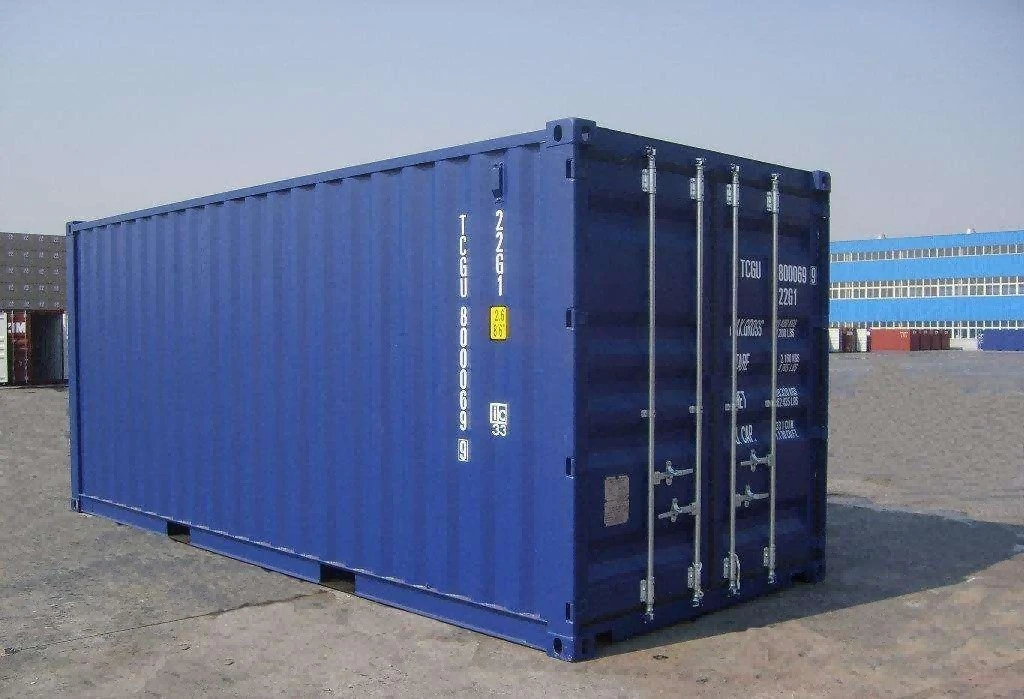
Corten Steel is widely used in transport equipment such as containers and railway vehicles due to its excellent weather resistance. For these applications, "lightweight" and "corrosion resistance" are two core but potentially conflicting requirements: lightweight helps reduce energy consumption and increase load capacity, while corrosion resistance ensures long service life in harsh transport environments (e.g., coastal salt spray, cross-regional temperature changes). Meanwhile, the choice of sheet thickness (2-6mm) directly affects both load capacity and service life. This article will explain how to achieve this balance and analyze the specific impact of thickness selection, providing practical guidance for foreign customers.
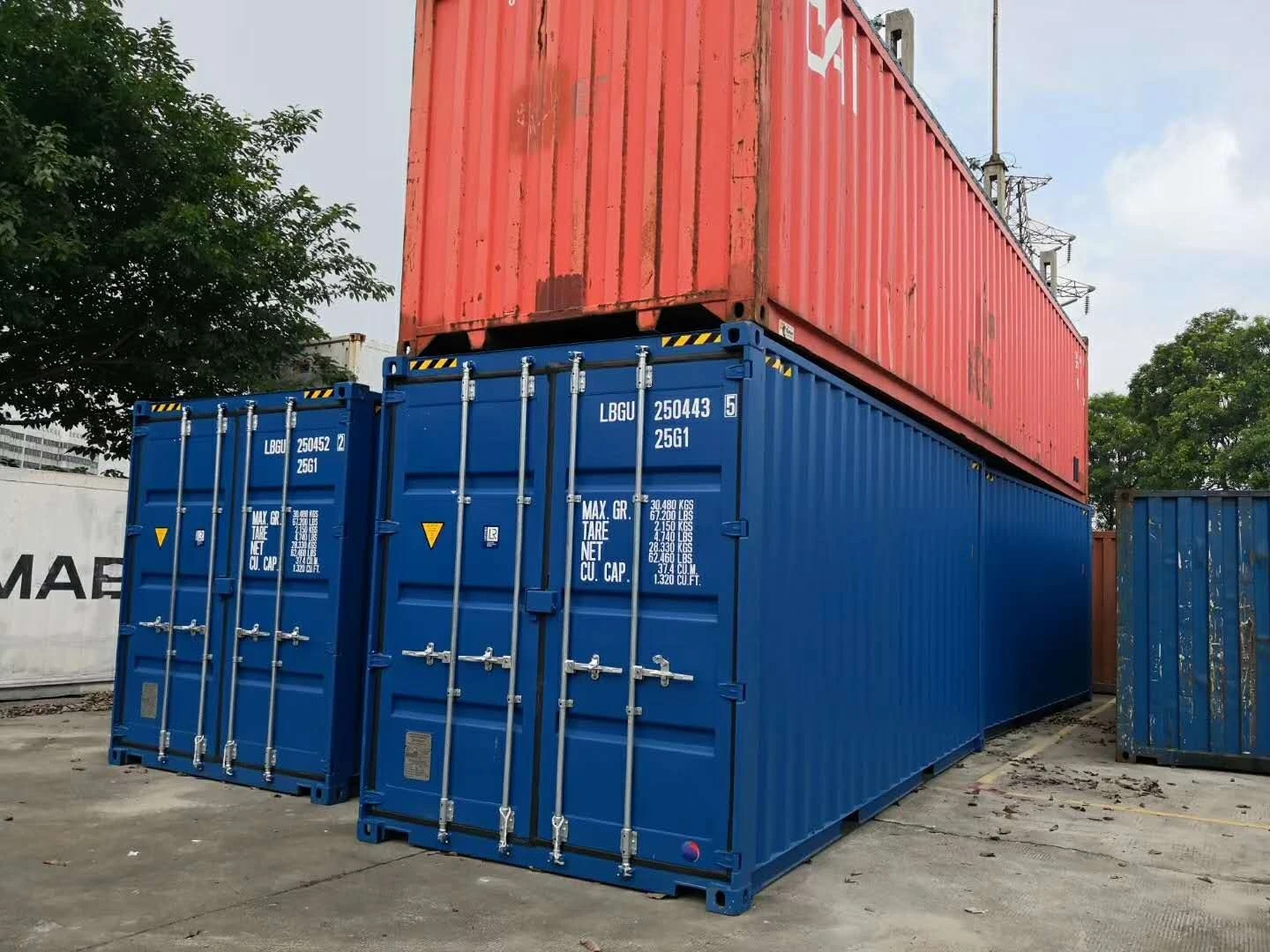
1. Core Strategies to Balance Lightweight and Corrosion Resistance
The key to balancing the two is to maximize the performance of Corten Steel through scientific material selection, structural design and process optimization, rather than simply sacrificing one for the other:
1.1 Select High-Strength Corten Steel Grades
Choosing high-strength Corten Steel is the fundamental way to achieve lightweight while ensuring corrosion resistance. High-strength grades can maintain sufficient structural strength with thinner sheets, reducing weight without compromising corrosion performance (corrosion resistance depends on alloy composition, not thickness).
Recommended grades for transport equipment: ASTM A588 Gr.K (yield strength ≥345MPa), EN 10025-5 S355J2W (yield strength ≥355MPa), GB/T 4171 Q355NQR2 (railway vehicle-specific, yield strength ≥355MPa, -40℃ impact toughness). These grades have optimized Cu-Cr-Ni alloy ratios for corrosion resistance and high strength for lightweight design.
1.2 Optimize Structural Design
Reasonable structural design can enhance load-bearing capacity, allowing the use of thinner Corten Steel sheets. For example:
Add reinforcing ribs in key load-bearing areas (e.g., container corners, railway vehicle underframes) to disperse stress, so the main body can use thinner sheets (2-3mm) instead of thick sheets (4-6mm);
Adopt integral forming processes (e.g., CNC bending) to reduce welding seams, improve structural integrity, and avoid local corrosion weak points caused by welding, thus maintaining corrosion resistance with thinner sheets.
1.3 Adopt Targeted Anti-Corrosion Enhancement Measures
For thinner Corten Steel sheets (2-3mm), targeted anti-corrosion measures can be added to compensate for the reduced thickness and ensure service life, without increasing overall weight significantly:
Silane impregnation treatment: Forms a transparent, water-repellent film on the surface, blocking chloride ions and moisture penetration, which increases corrosion resistance without adding obvious weight;
Local anti-corrosion coating: Apply thin epoxy zinc-rich primer (dry film thickness 30-50μm) on easily corroded areas (e.g., container door edges, railway vehicle connecting parts), while keeping the main body bare to maintain lightweight and natural rust color.

2. Impact of Sheet Thickness (2-6mm) on Load Capacity and Service Life
Sheet thickness is a key factor affecting the performance of Corten Steel transport equipment. The following is a detailed analysis of the impact of common thicknesses (2mm, 3-4mm, 5-6mm) on load capacity and service life:
2.1 2mm Thickness: Ultra-Lightweight but Limited to Non-Load-Bearing Parts
Load capacity: Low, only suitable for non-load-bearing parts such as container inner linings, railway vehicle side panels (non-stress areas). It cannot bear large dynamic loads (e.g., container stacking, railway vehicle vibration) and is prone to deformation if used in load-bearing areas.
Service life: Corrosion resistance is not affected by thickness, but thin sheets have a smaller corrosion allowance. In mild environments (inland transport), the service life can reach 10-15 years with proper anti-corrosion treatment; in harsh environments (coastal transport), the service life is reduced to 5-8 years due to faster corrosion penetration.
2.2 3-4mm Thickness: The Optimal Balance for Most Load-Bearing Parts
Load capacity: Moderate to high, suitable for most load-bearing parts such as container main bodies, railway vehicle side frames, and underframe auxiliary components. High-strength Corten Steel (e.g., Q355NQR2) with 3-4mm thickness can withstand container stacking (up to 8 layers) and railway vehicle dynamic loads, meeting international transport safety standards.
Service life: Ideal. The sufficient corrosion allowance (3-4mm) matches the self-protective rust layer's corrosion rate (0.01-0.02mm/year). In inland transport, the service life can reach 20-30 years; in coastal transport, with silane impregnation, the service life is 15-20 years. This thickness achieves the best balance between lightweight and durability.
2.3 5-6mm Thickness: Heavy-Duty Load-Bearing but Sacrifices Lightweight
Load capacity: High, suitable for heavy-duty load-bearing parts such as container corner posts, railway vehicle bogie frames, and port container gantry crane components. It can bear extreme loads (e.g., container stacking of 10 layers, heavy cargo transportation) and has strong resistance to deformation and vibration.
Service life: Longest, up to 30-40 years in harsh environments, due to the large corrosion allowance. However, the weight increases significantly (4mm vs 6mm: weight increases by 50%), leading to higher energy consumption (e.g., increased fuel consumption for freight vehicles, reduced load capacity for railway vehicles), which sacrifices the lightweight advantage.

3. Practical Selection Recommendations for Foreign Customers
To help foreign customers make appropriate choices based on project needs, the following targeted recommendations are provided:
For inland transport containers (non-coastal) and railway passenger car side panels: Choose 3mm high-strength Corten Steel (A588 Gr.K/S355J2W) + silane impregnation. This achieves lightweight (reducing 10-15% weight compared to 4mm carbon steel) and ensures a service life of 20+ years.
For coastal transport containers and railway freight vehicles (bearing heavy cargo): Choose 4mm Corten Steel (Q355NQR2/S355J2W) + local anti-corrosion coating on key areas. It balances load capacity (withstanding 8-layer stacking) and corrosion resistance (15+ years service life in salt spray environments), while controlling weight increase within 5% compared to 5mm sheets.
For heavy-duty transport equipment (e.g., port container gantry crane components): Choose 5-6mm Corten Steel (A588 Gr.K) only if extreme load capacity is required. It is recommended to optimize the structure to reduce thickness where possible, avoiding unnecessary weight gain.
In summary, balancing lightweight and corrosion resistance of Corten Steel for transport equipment relies on the combination of high-strength grade selection, structural optimization and targeted anti-corrosion measures. Choosing 3-4mm thickness is the optimal solution for most applications, while 2mm and 5-6mm should be selected based on specific load and environment requirements. This balance not only meets international transport safety and durability standards but also helps customers reduce long-term operation costs (energy consumption + maintenance).