


The beauty and protection of S355J2W Corten Steel lie in its distinctive rust layer. However, left entirely to nature, this patina can develop unevenly, leading to streaking, blotchiness, or inconsistent color in its early years. For architects and clients seeking predictable aesthetics from day one, proactive surface treatments offer a solution.
This article explores practical, pre-application methods to encourage the swift and uniform formation of Corten's protective patina.
The Challenge of Natural Patination
Corten steel forms its stable rust layer through cyclic wetting and drying. Inconsistent weather, sheltered areas, or impurities on the steel surface can disrupt this process. The goal of treatment is not to force rust, but to create ideal, uniform starting conditions for the natural chemical reaction to occur evenly across the entire surface.
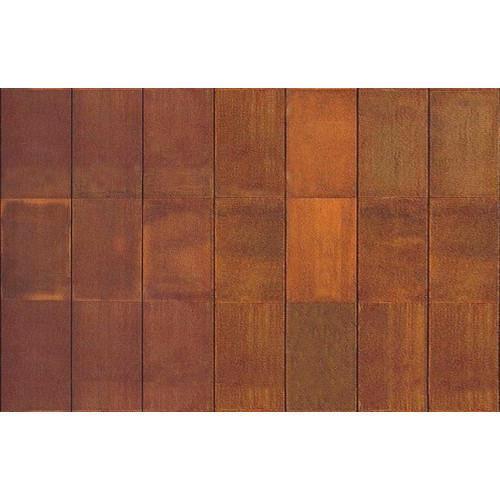
Effective Surface Pre-Treatment Methods
Prior to installation, several methods can prepare the steel to weather uniformly. The most common and effective approaches are outlined below:
| Method | Process & Mechanism | Key Advantages | Best For / Considerations |
|---|---|---|---|
| Chemical Patina Accelerators | Application of a water-based solution (often acidic) that cleans the surface and initiates a controlled oxidation reaction. | Fastest results. Promotes a consistent base color in days/weeks. Can be applied in controlled factory conditions. | Projects with tight timelines or where immediate aesthetic consistency is critical. Requires professional application. |
| Abrasive Blasting | Cleaning the surface with fine abrasives (e.g., sand, slag) to remove mill scale and create a uniformly textured, clean profile. | Removes barriers to oxidation. Provides a consistent anchor pattern for the rust layer to adhere to evenly. | All projects where a "clean start" is desired. Essential if mill scale is present. Often used before applying an accelerator. |
| Water Mist & Wetting | Regularly misting the installed steel with plain water to ensure consistent, frequent wetting cycles. | Simple, low-cost, and uses the steel's natural process. Helps mitigate initial runoff staining on adjacent materials. | Projects in dry climates or where natural rain is infrequent. Requires a disciplined daily routine for several weeks. |
Note on Coatings: It is crucial to understand that traditional primers, paints, or oil-based coatings must never be applied, as they will completely prevent the weathering process. The treatments discussed here are facilitators, not barriers.
Foundational Steps for Success
No treatment can compensate for poor design or handling. These two principles are non-negotiable:
Start with a Clean, Scale-Free Surface: Whether achieved via abrasive blasting or other means, removing the mill scale (the dark blue oxide layer from rolling) is the single most important preparatory step. Mill scale will eventually spall off, taking the early rust with it and creating severe unevenness.
Design for Proper Drainage and Drying: The treated steel must still follow Corten's fundamental rules. Design details must avoid water traps, allow complete drainage, and promote airflow to enable the crucial wet-dry cycles that mature the patina.
Managing the Initial Phase
All Corten steel, treated or not, will have an initial "run-off" phase where rainwater washes rust ions off the surface. To manage this:
Protect Adjacent Materials: During installation and the first few rain events, shield light-colored concrete, stone, or masonry from runoff with temporary coverings.
Allow the Process to Complete: The runoff diminishes as the patina stabilizes, typically within 6-18 months. The treatments above aim to shorten and regularize this phase, not eliminate it.

In summary, while S355J2W Corten Steel is designed to weather naturally, surface treatments like chemical accelerators or abrasive blasting provide a high degree of control over the initial patination. By investing in these preparatory steps and adhering to sound design principles, you can ensure your structure develops a robust, beautifully uniform, and protective rust layer that will last for decades.


