


How to Prevent Corten Steel from Over-Corroding
While Corten steel is known for its exceptional corrosion resistance, improper environmental exposure can lead to over-corroding, which may undermine its durability and aesthetic appeal. To prevent this, proper care and installation are necessary.
Ensure Proper Exposure to Elements
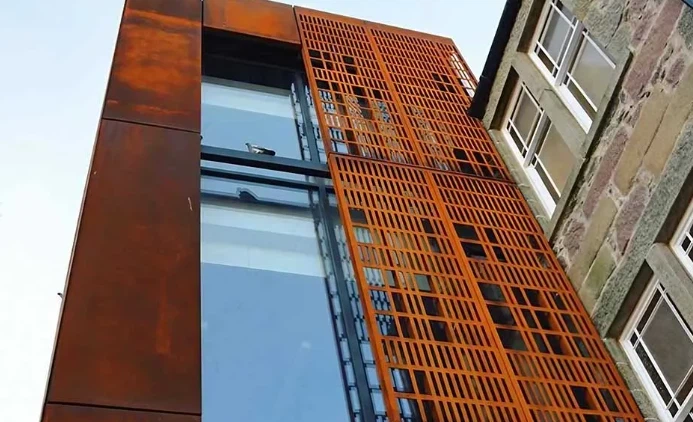
Corten steel develops a protective rust patina when exposed to the elements, which prevents further corrosion. However, if the material is kept in overly humid or constantly wet conditions, the patina may not form correctly, leading to uneven rusting. Ensure that the steel is exposed to alternating wet and dry conditions, which allows the patina to form naturally and evenly.
Avoid Constant Contact with Moisture
Excessive moisture, especially in coastal or marine environments, can prevent the protective layer from developing. If Corten steel is exposed to saltwater or standing water for prolonged periods, the corrosion process can accelerate. To minimize this risk, ensure the steel is placed in areas with good drainage and proper airflow. In coastal areas, consider additional treatments like clear sealants or protective coatings to shield the steel from saltwater exposure.

Regular Inspection and Maintenance
Though Corten steel requires minimal maintenance, it's still essential to periodically inspect the material for signs of premature corrosion or damage. Look for areas where the patina may be thin or missing and address these spots promptly to prevent further degradation. In extreme conditions, it might be necessary to apply a corrosion-inhibiting solution to protect the steel.

Conclusion
By ensuring that Corten steel is exposed to appropriate environmental conditions, maintaining proper airflow, and inspecting for signs of damage, you can prevent over-corroding and maintain the material's long-lasting performance and appearance.


