


How to Weld Weathering Steel: A Complete Guide
Weathering steel, also known as Corten steel, is widely popular for its unique aesthetic appeal and superior resistance to atmospheric corrosion. It is commonly used in construction and engineering projects, such as bridges, sculptures, and outdoor structures. A key characteristic of weathering steel is its ability to form a stable, rust-like protective layer, preventing further corrosion and making it ideal for outdoor applications. This guide will walk you through the welding process for Corten steel, including key considerations, recommended techniques, and post-weld maintenance tips.
What is weathering steel?
Weathering steel is a low-carbon steel alloy containing copper, chromium, nickel, and phosphorus. These elements help the steel form a protective layer, known as patina, when exposed to wind, rain, and moisture, thus preventing deeper corrosion. Over time, this patina gives the steel its distinctive reddish-brown appearance, allowing it to blend naturally into its surroundings.
Weathering steel (Corten steel) is a registered trademark, and it is increasingly popular in structural and artistic applications due to its durability and aesthetically pleasing finish. Welding of weathering steel has become an essential part of projects that balance strength and visual appeal.
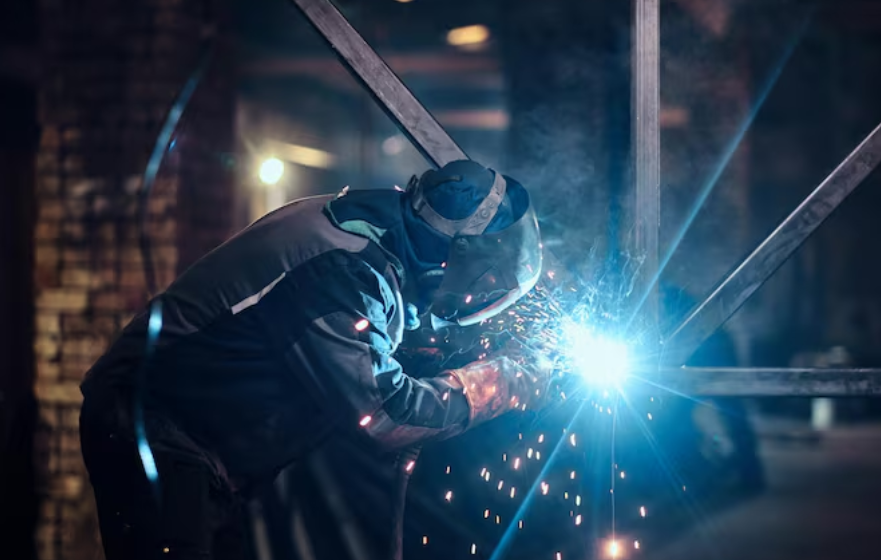
Properties of weathering steel
One of the reasons weathering steel is so popular is its unique properties, including:
Corrosion Resistance: The patina that forms on the surface protects the material from further corrosion, making it ideal for long-term outdoor exposure.
High Strength: Weathering steel has high tensile strength, making it suitable for load-bearing applications.
Aesthetics: The natural rust effect adds a unique look, making it ideal for architectural and artistic projects.
Low Maintenance Costs: The patina protects the steel from weathering, reducing the need for maintenance and painting.
These properties make welding weathering steel an essential skill for professionals working with it.
Welding Weathering Steel: Key Considerations
Welding weathering steel is similar to welding low-carbon steel, but extra care must be taken with the filler material and welding process. The main challenge in welding weathering steel is ensuring that the welding process does not compromise the steel's corrosion resistance.
When welding weathering steel, it is crucial to select filler metal that matches the chemical composition of the base metal. This ensures that the weld joint retains the steel's unique properties, including its corrosion resistance.
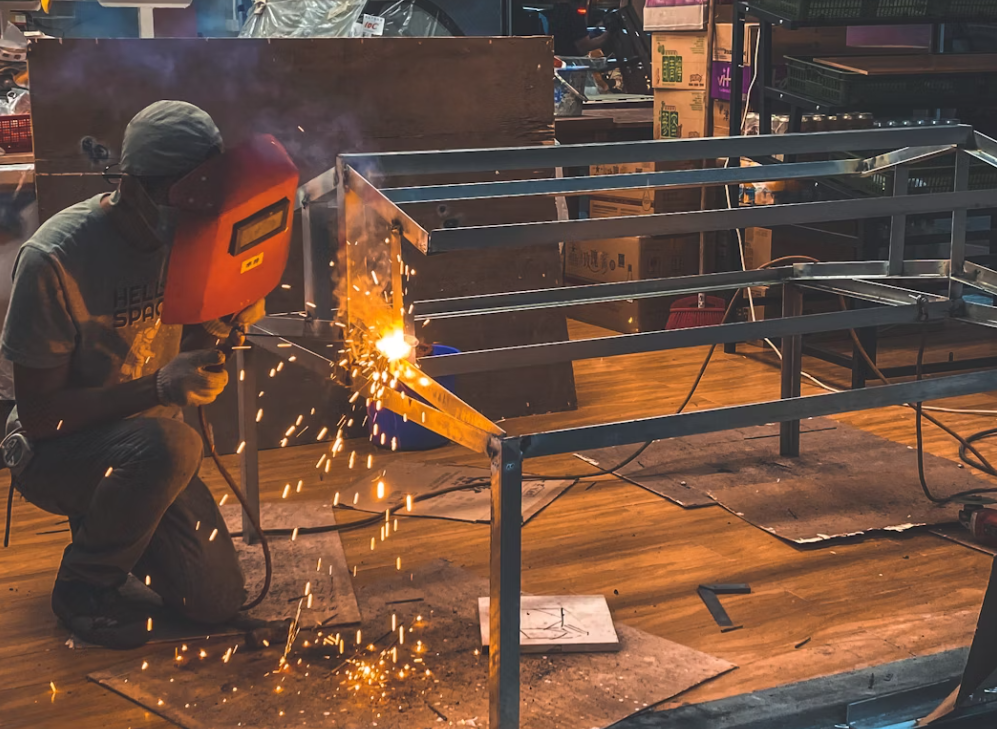
Recommended welding techniques for weathering steel
Depending on the material thickness and end use, various welding techniques can be used for weathering steel :
Manual arc welding (SMAW) : Manual arc welding is ideal for structural connections and is versatile when working in outdoor environments.
TIG Welding (GTAW) : TIG welding machines are renowned for their precision and are best suited for fine, clean welding on weathering steel, especially for aesthetically pleasing projects.
MIG welding (GMAW) : MIG welding is the fastest welding method and is suitable for thinner weathering steel sections. It is a highly efficient and versatile welding method.
Depending on the application and required strength, these welding techniques can all be applied to welding weathering steel . When welding weathering steel using MIG welding, it is recommended to use a mixture of CO₂ and Ar-CO₂ shielding gases to obtain a smoother arc and less spatter.
How to select suitable welding equipment for weathering steel
When welding weathering steel, the right equipment is just as important as the correct welding technique and welding wire. To achieve optimal weld results, selecting high-quality welding tools and equipment specifically designed for weathering steel is crucial. Whether you are working on a small, aesthetically pleasing project or a large structural application, reliable welding equipment ensures strong and aesthetically pleasing welds. Be sure to consult with welding equipment suppliers to find the most suitable equipment, electrodes, and accessories for welding weathering steel, ensuring that every weld offers both performance and durability.
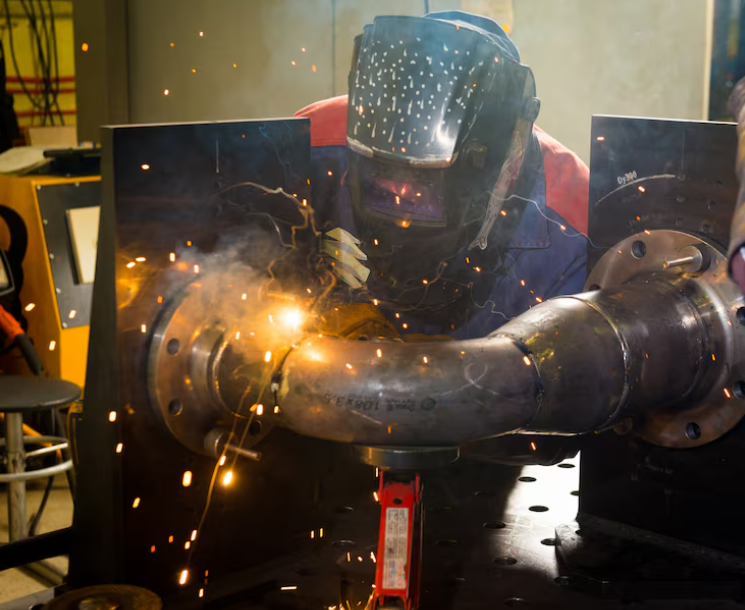
Common problems: Welding weathering steel
1. What is the best welding technique for weathering steel?
The optimal welding technique for weathering steel depends on its thickness and application. Manual arc welding (SMAW) is suitable for structural connections, argon arc welding (GTAW) is ideal for clean, precise welds in aesthetic applications, while gas metal arc welding (GMAW) is the fastest and suitable for thinner sections. Please select the appropriate welding method based on project requirements.
2. Can I weld weathering steel without affecting its corrosion resistance?
Welding weathering steel will not affect its corrosion resistance if the welding process is proper. The key is to use welding wire compatible with the base metal, such as AWS E7018 or ER70S-6 , which maintains the integrity of the base metal's corrosion resistance. Furthermore, controlling heat input and ensuring proper post-weld treatment are crucial for preserving its protective oxide layer.
3. After welding weathering steel, how to match its surface rust layer?
After weathering steel is welded , the welded area may initially look different from the surrounding material due to variations in color and texture. To match the rust effect with the surrounding material, weathering accelerators can be used to accelerate the rusting process, or the steel can be allowed to weather naturally over time. However, depending on environmental conditions, this process can take weeks or even months.
4. Can weathering steel be painted after welding?
Weathering steel is known for its ability to form a protective patina that requires no painting. However, it can be painted if needed. It is recommended to use paint specifically formulated for weathering steel to prevent corrosion and ensure long-lasting protection. If weathering steel is exposed to harsh weather, the patina will still form naturally, while the paint may eventually peel off.
5. What type of filler metal should be used when welding weathering steel?
For welding weathering steel , recommended welding wires include AWS E7018 for shielded metal arc welding and ER70S-6 for MIG welding . These wires offer good mechanical properties and corrosion resistance that matches the base metal. For more delicate applications or to achieve optimal post-weld results, you may also consider using low-alloy welding wires specifically designed for weathering steel.
6. What are some common challenges when welding weathering steel?
Welding weathering steel presents several challenges, including the risk of cracking due to its high alloy content and the potential decrease in corrosion resistance of the heat-affected zone. Furthermore, forming a uniform oxide layer after welding is difficult. To address these challenges, preheating materials, controlling heat input, and using appropriate filler metals are key steps to ensure successful welding.


