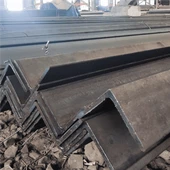
What is Corten Steel Edging?
Garden corten steel edging is made from weathering steel, also commonly known as COR-TEN. This material is specifically engineered to develop a stable, rust-like protective layer when exposed to outdoor elements.

Unlike ordinary rust, this patina stops further corrosion, giving the steel exceptional durability and outdoor lifespan.
Material: 100% Weathering Steel
Tensile Strength: Approx. 480–620 MPa
Expected Lifespan in Garden Environments: 40–100+ years
Thickness Options: 1.6mm / 2mm / 3mm / 6mm
The ability of corten landscape edging to bend, fold, and curve makes it ideal for shaping natural garden contours, raised beds, lawn edges, tree rings, and architectural landscape borders - without creating visual clutter.
Compared with wood and plastic, rusty steel garden edging provides not only long-lasting performance but also a warm, organic aesthetic that evolves beautifully as the patina matures.
How to Install Weathering Steel Garden Edging
Step 1 - Prepare Your Layout
Use an edging tool or shovel to outline your desired border path.
This helps ensure smooth and flowing garden lines.
Step 2 - Position the Rusted Steel Edging
Place the rusted steel edging pieces along the defined trench with the teeth facing downward.
Connect the sections using the locking or tab connectors.
Tip: Most roots (including grass) grow in the top 2 inches (50mm) of soil - installing edging deeper than this creates an effective root barrier.
Step 3 - Secure the Edging
Use a wooden block placed on top of the edging and tap gently with a hammer.
This prevents damaging the steel surface and ensures even depth.
Step 4 - Final Adjustments
Make sure the edging height is level along the entire landscape border.
This improves both the function and the visual finish.
Helpful Installation
| Tip | Why It Matters |
|---|---|
| Check for underground pipes & irrigation | Avoid accidental damage |
| Wet dry hard soil before installation | Makes insertion easier |
| Always hammer using a wood block | Protects the steel finish |
| Wear gloves and safety glasses | Reduces risks during hammering |
Tools You'll Need
Wooden block
Hammer or mallet
Edger or trenching shovel
Gloves, knee pads, safety glasses
Why Choose Gnee Corten Landscape Edging?
Gnee rusted steel edging is engineered for long-term structural stability and landscape performance, especially in outdoor environments that experience moisture, UV exposure, and seasonal temperature changes.
Faster Installation
The integrated tooth design slices into soil with minimal resistance.
Installation Time Reduction: Up to 35–50% faster compared to smooth-edge metal borders
Two people can install 20–30 meters of edging in under 1 hour
Effective Grass Root Barrier
The deep-profile edging blocks grass rhizomes from spreading into planting areas.
Recommended Depth: 75–150 mm
Root Barrier Efficiency: Prevents 90%+ lawn overgrowth into flower beds
Eliminates frequent hand weeding at boundaries.
Structural Strength That Lasts
Unlike aluminum or plastic edging, Gnee corten edging holds shape under external pressure.
Tensile Strength: 480–620 MPa
Bending Resistance: Maintains alignment even against soil expansion & heavy foot traffic
Suitable for straight lines, gentle curves, or complex garden contours
Zero Ongoing Maintenance
The protective weathered patina removes the need for coatings.
No painting. No sealing. No seasonal treatment.
Annual Maintenance Time Saved: ~10–15 hours/year
Coating Cost Saved (10 years): $150–$500+ depending on garden scale
Built for Long-Term Use
Unlike wood (which rots) or plastic (which warps and cracks), corten steel stabilizes over time.
| Material Type | Typical Outdoor Lifespan | Maintenance Needs | Performance in Sun & Rain |
|---|---|---|---|
| Gnee Corten Landscape Edging | 40–100+ years | None | ✓ Excellent |
| Treated Timber | 3–8 years | Frequent sealing & replacement | ✗ Rot & decay |
| Plastic / Composite | 2–5 years | Prone to cracking / UV damage | ✗ Warps and fades |

FAQ
Q: What is Corten steel edging and how does it differ from other types of edging?
A: Corten steel edging is a durable, weather-resistant landscape border material made from high-strength, low-alloy steel. When exposed to outdoor conditions, it naturally forms a stable rust-like patina, which protects the steel from further corrosion and gives it a warm, rustic appearance.
Unlike plastic or wood edging, Corten steel does not warp, crack, rot, or decay due to moisture or temperature changes, making it ideal for long-term outdoor use.
Q: Can Corten steel edging be used in all outdoor environments?
A: Yes. Corten steel edging performs well in a wide range of outdoor climates, including humid, coastal, rainy, and high-temperature regions.
The protective patina layer acts as a corrosion-resistant shield, allowing the edging to remain structurally strong even under harsh weather exposure.
Q: How do I install and maintain Corten steel edging?
A: Installation is straightforward, typically requiring only basic tools such as:
Hammer or mallet
Steel stakes
Shovel for soil leveling
The edging is secured by placing stakes and then backfilling soil along the edges.
For more complex designs or large-scale installations, professional installation may be recommended.
Maintenance:
Corten steel edging is low-maintenance, but to maintain a clean appearance:
Avoid allowing organic debris (leaves, mulch, wet soil) to remain in contact for extended periods, as trapped moisture may cause surface staining.
No painting or sealing is required - the patina naturally regenerates over time.
Q: What are the common uses of Corten steel edging?
A: Corten steel edging is widely used in both residential and commercial landscaping for:
Garden and flower bed borders
Walkway and driveway edging
Lawn-to-patio transitions
Raised garden beds and retaining borders
Decorative landscape accent
Its stylish, weathered appearance adds architectural character to gardens, parks, courtyards, and modern outdoor spaces while providing long-term structural function.