


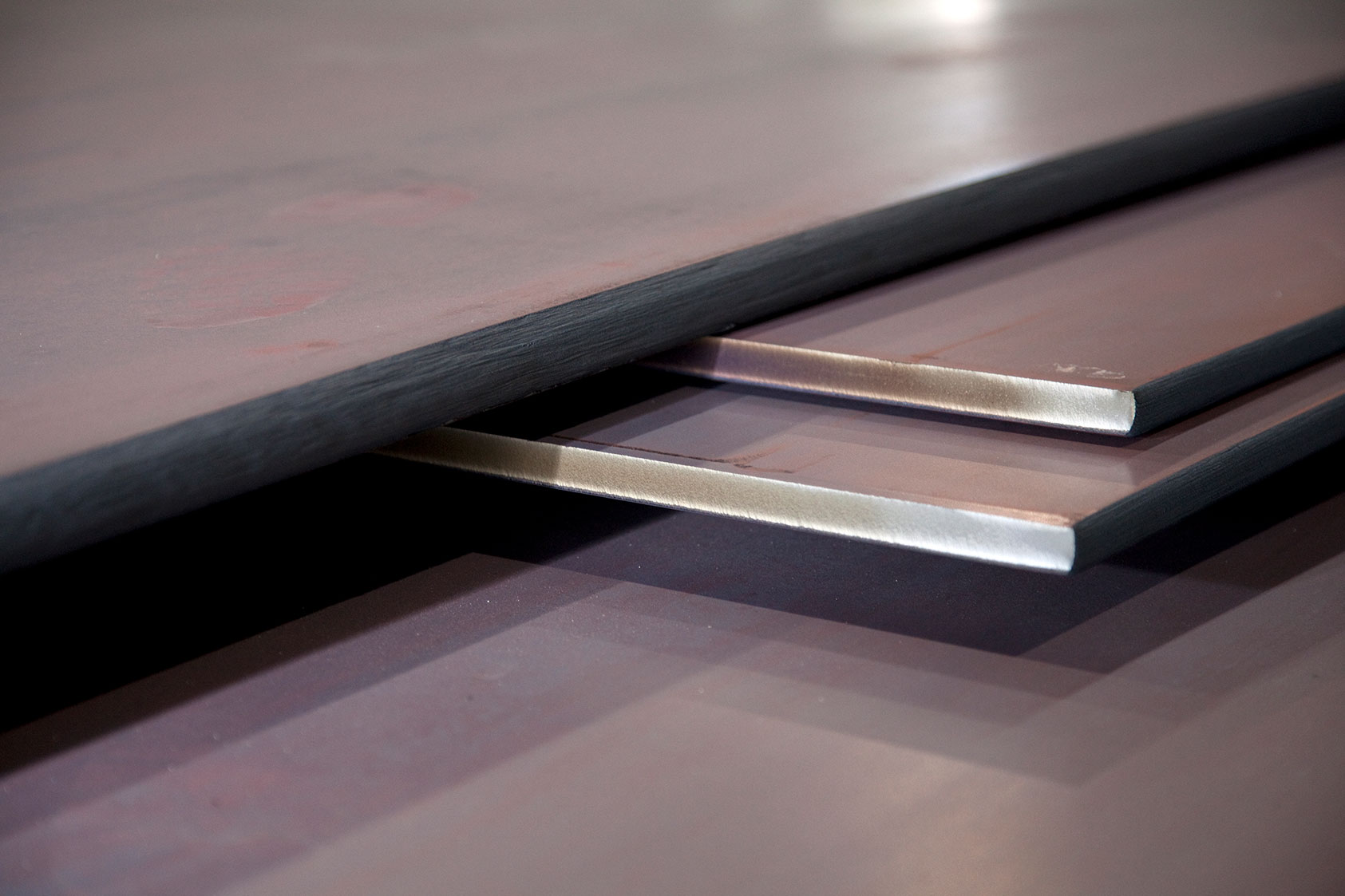
Corten steel, celebrated for its rustic appearance and corrosion resistance, is a popular choice for bridges, facades, and sculptures. But when considering it for primary load-bearing structures in places like Northern Canada or Scandinavia, where temperatures can plunge to -30°C, a critical question arises: is it safe and practical?
The short answer is: Yes, but with crucial engineering precautions. The standard, readily available grades of Corten (like SPA-H, ASTM A588) are not automatically suited for extreme cold.
The Core Challenge: Low-Temperature Toughness
The main concern isn't strength, but toughness-the material's ability to absorb energy and resist cracking under impact or stress. All steels undergo a Ductile-to-Brittle Transition (DBT). Below a certain temperature, they can become prone to brittle fracture, a sudden failure mode with little warning.
Standard Corten steels have a relatively high DBT temperature. At -30°C, their inherent toughness can be significantly reduced, posing a risk for dynamic or highly stressed structural members.

Essential Precautions for Safe Implementation
Specify the Right Grade: This is paramount. You must select a sub-grade specifically engineered for low-temperature service. Look for designations like:
ASTM A588 Grade K (better low-temperature impact properties than standard grades).
Special normalized rolling processes that refine the grain structure to enhance toughness.
Explicit certification of Charpy V-Notch (CVN) impact values at your minimum design temperature (e.g., -30°C or lower). The material test reports must prove adequate absorbed energy.
Design with Detail in Mind:
- Avoid Notches and Sharp Corners: Stress concentrators are initiation points for cracks. Use smooth transitions and detail joints carefully.
- Increase Design Factors: Engineers may apply more conservative safety margins for critical connections and members.
- Consider Load Types: Dynamic, seismic, or high-impact loading requires extra scrutiny compared to static loads.
Fabrication & Welding Expertise:
- Welding Procedures (WPS) must be qualified for the low-temperature grade. Use matching or specially selected welding consumables that produce weld metal with toughness equal to or better than the base plate.
- Stress-Relieving: Post-weld heat treatment might be necessary for thick sections to reduce residual stresses that could combine with low-temperature embrittlement.
In-Service Considerations:
- The Patina Factor: The protective rust layer (patina) forms slowly in cold, dry climates. Initial runoff staining can still occur.
- Inspections: Regular inspection for crack initiation, especially at connections, is prudent in the most severe environments.
- Conclusion: An Engineered Choice, Not a Default One
SPA-H Corten steel can be used successfully for load-bearing structures in -30°C environments, but it must be a deliberate, specified choice, not an off-the-shelf one. The key is procuring a verified low-temperature tough grade and partnering with engineers and fabricators experienced in both Corten and cold-region design.
Always prioritize certified material test data over generic assumptions. By taking these focused precautions, you can achieve both the iconic aesthetic of Corten and the non-negotiable requirement of structural safety in the cold.


