


Long-distance sea transportation exposes SPA-H Corten Steel (JIS G 3125 standard) to harsh conditions-salt spray, high humidity, sea water splashes, and violent cargo shaking-all of which risk premature rusting and surface damage. What packaging and transportation measures can effectively protect SPA-H during ocean voyages? The core principle is: multi-layer moisture/salt barrier + stable fixation. Below is a concise, actionable guide tailored to sea transport scenarios.

Core Protective Principle for Sea Transport
Unlike land transport, sea transport's biggest threat to SPA-H is salt-laden moisture. Effective protection must achieve three goals: ① Block salt spray and sea water from contacting the steel surface; ② Prevent internal moisture accumulation (caused by temperature fluctuations); ③ Avoid surface scratches from cargo collision during navigation.
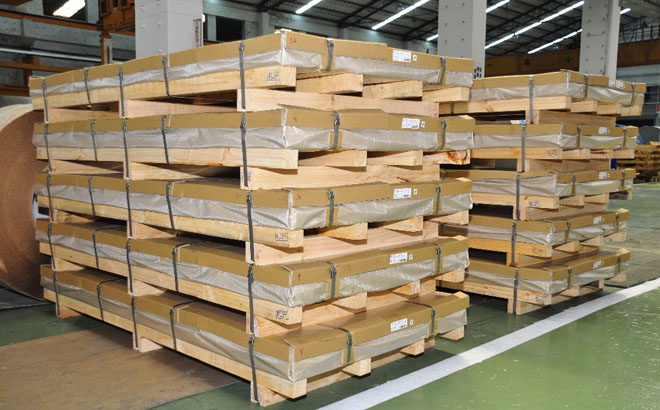
1. Packaging Requirements for Sea Transport (Layer-by-Layer Protection)
Surface Pre-Treatment: Before packaging, clean the SPA-H surface to remove loose rust, dust, and oil stains. For untreated sheets, apply a thin layer of temporary, easily removable anti-rust oil (Corten Steel-compatible) to form a primary moisture barrier-avoid thick oil that hinders future rust layer formation.
Inner Layer: Salt & Moisture Barrier: Wrap each bundle with VCI (Volatile Corrosion Inhibitor) film-this special film releases corrosion-inhibiting gas to neutralize the corrosive effect of salt and moisture, providing long-term protection even in sealed containers.
Outer Layer: Mechanical & Weather Protection: Cover the VCI film with heavy-duty marine-grade waterproof woven cloth (with UV resistance). Seal all seams with marine-grade waterproof adhesive tape to prevent salt spray and sea water from seeping in. Add edge protectors at bundle corners to avoid cloth tearing from friction.
Fixation & Palletizing: Place each wrapped bundle on a fumigated wooden pallet (compliant with ISPM 15 standard for international shipping) to elevate it above the container floor, avoiding contact with accumulated water. Secure bundles with galvanized steel straps (spacing ≤60cm) and reinforce with anti-slip mats between layers to prevent shifting during navigation.

2. Transportation Operation Requirements
Container Selection & Preparation: Prioritize dry containers with intact seals and no water leakage. Before loading, clean the container interior to remove residual salt, moisture, and debris. Place desiccant bags (1-2kg per 10m³) inside the container to absorb excess moisture.
Loading & Stowage: Avoid over-stacking-limit to 2 layers for thin sheets (≤8mm) and 1 layer for thick plates (>8mm) to prevent packaging damage. Use dunnage (fumigated wooden blocks) between bundles and the container walls to reduce collision impact. Secure the entire cargo with lashing straps fixed to container lashing rings.
Cargo Segregation: Never stow SPA-H with corrosive goods (e.g., chemicals, fertilizers), wet goods (e.g., timber, textiles), or goods that release harmful gases-these will accelerate corrosion or damage the protective packaging.

Key Post-Transportation Tips
Unpack the bundles within 3-5 days of arrival at the destination port to avoid prolonged exposure of the packaged steel to high humidity in the destination environment.
Inspect the SPA-H surface for rust spots or salt residues after unpacking. If slight rust is found, clean it with a soft wire brush; if salt residues exist, rinse with fresh water and dry immediately.
In summary, protecting SPA-H Corten Steel during long-distance sea transport relies on multi-layer packaging (VCI film + marine waterproof cloth) and scientific stowage. Following these requirements effectively prevents premature rusting and surface damage, ensuring the material's performance meets project needs upon arrival.


