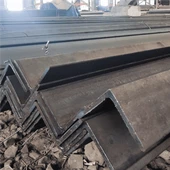
Q295NH is a low-alloy weathering steel grade defined by GB/T 4171, with a minimum yield strength of 295 MPa. It is widely used for decorative cladding, signage and light structural components, where designers often need thicknesses outside the standard mill range. The practical answer for most projects is yes: Q295NH can be produced in custom thicknesses from roughly 0.5 mm to 100 mm, with some mills extending to 150 mm on large-volume orders, while all plates remain hot-rolled to preserve alloy uniformity.
Key Takeaways
Standard Q295NH thickness range: 2 mm to 50 mm, hot-rolled.
Custom range typically 0.5 mm to 100 mm; up to 150 mm on large orders.
Custom sizes cost 10-20% more and take 3-6 weeks versus 7 days for stock.
Request mill test certificates for plates above 50 mm.
Standard Thickness Range
Q295NH is most readily available in the 2-50 mm hot-rolled range. Thin plates from 2 mm to 16 mm are common for cladding, signs and decorative panels, while 16-50 mm plates suit light structural components such as guardrails and small supports. Standard stock sizes ship quickly, typically within 7 days, and carry no MOQ restrictions.
Custom Thickness Feasibility and Range
Custom Q295NH thicknesses are produced by hot rolling only, because this process ensures uniform alloy distribution and consistent corrosion resistance; cold-rolled customization is not recommended for this grade. The practical custom window is 0.5 mm to 100 mm, extendable to 150 mm for large-volume orders. Thicknesses below 2 mm or above 100 mm demand stricter cooling control to avoid uneven structure and reduced toughness, so confirm feasibility with the mill before design finalization.
MOQ, Lead Time and Cost
MOQ is flexible: some mills accept a single piece for small custom sizes such as thin decorative panels, while thick plates above 80 mm may require larger batches to justify the production setup. Lead time for custom thicknesses is 3-6 weeks, compared with 7 days for standard stock, because dedicated rolling and quality inspection steps are involved. Budget for a 10-20% price premium over standard sizes.
Custom versus Standard: Decision Guidance
Choose custom thickness when the design load requires it, such as 60 mm plates for heavy brackets, or when aesthetics demand non-standard thin panels such as 1.5 mm decorative sheets. Choose standard sizes for most common applications, since they are cheaper, faster and fully compliant. Wherever custom plates exceed 50 mm, request the mill test certificate to confirm GB/T 4171 compliance.
Frequently Asked Questions
What is the thinnest Q295NH plate I can order? Custom thin plates can go down to about 0.5 mm, though below 2 mm production control is stricter and cost per ton rises.
Why is Q295NH only hot-rolled? Hot rolling distributes the copper, chromium and nickel alloying elements uniformly, which is essential for consistent patina and corrosion resistance.
How much more do custom thicknesses cost? Expect a 10-20% premium over standard sizes, driven by additional rolling passes and quality inspection.
How long does a custom Q295NH order take? Custom sizes typically take 3-6 weeks; standard stock ships in about 7 days.
Can I order a single sheet in a custom size? Some mills accept one-piece orders for small custom sizes, while thick plates above 80 mm usually require larger batches.
What documentation proves quality for thick custom plates? Request the mill test certificate confirming chemical composition, yield strength and GB/T 4171 compliance.