


When planning heavy-duty structures, project managers and buyers often balance two key factors: performance and cost. Heavy-duty projects demand high strength and durability, but many worry that choosing a high-strength material like Q460NH Corten Steel will push budgets too far. As a high-strength weather-resistant steel, Q460NH is designed for heavy loads-but is it truly cost-effective compared to other alternatives? The core answer is clear: Yes, Q460NH Corten Steel is highly cost-effective for heavy-duty structures, as its lower upfront cost, minimal maintenance, and long service life offset expenses far better than many alternatives. Below is a concise, actionable guide.

Why Q460NH Saves Cost (3 Key Advantages)
Q460NH's cost-effectiveness isn't just about low upfront pricing-it's about long-term value, with no compromise on heavy-duty performance:
Lower Upfront Cost: Compared to stainless steel (304/316L) and specialized high-strength steels, Q460NH is 30-50% cheaper, a huge saving for large-scale heavy-duty projects (e.g., bridge supports, industrial frames).
Minimal Maintenance Expense: Its Corten patina provides natural corrosion resistance, eliminating the need for frequent painting, coating, or repairs-saving annual maintenance costs (up to 70% less than uncoated carbon steel).
Long Service Life: With proper use, Q460NH lasts 20-30+ years in heavy-duty scenarios, avoiding costly replacements that come with lower-grade, less durable steels.
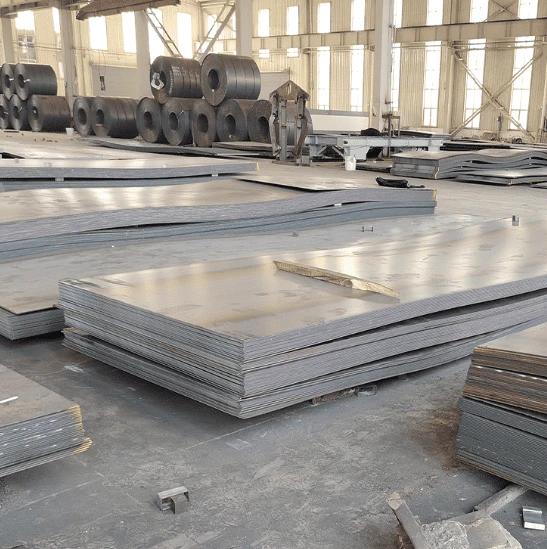
Cost-Effectiveness Comparison (Q460NH vs. Common Alternatives)
To see its value clearly, here's a simple comparison for heavy-duty structures (focus on total cost over 10 years):
Q460NH Corten Steel: Low upfront cost + no maintenance = lowest total cost; retains high strength (yield ≥460MPa) for heavy loads.
Stainless Steel (304): High upfront cost + minimal maintenance = 2-3x higher total cost; overkill for most heavy-duty projects (strength lower than Q460NH).
Ordinary Carbon Steel: Lowest upfront cost + high maintenance (annual painting/coating) = total cost similar to Q460NH; shorter service life (10-15 years) and lower strength.

Best Heavy-Duty Scenarios for Q460NH's Cost-Effectiveness
Q460NH's value shines brightest in these heavy-duty use cases, maximizing cost savings:
Large outdoor heavy structures: Bridge supports, highway guardrails, and industrial platform frames (high material volume, low maintenance access).
Low-maintenance heavy loads: Equipment bases, storage racks, and factory building trusses (no frequent cleaning or repairs).
Mild-to-moderate corrosive environments: Urban/suburban heavy-duty projects (avoids extra corrosion protection costs).

Practical Tips to Boost Cost-Effectiveness
Get even more value from Q460NH with these simple steps:
Choose standard thickness (16-60mm): Standard sizes have no minimum order quantity (MOQ) and shorter delivery times, cutting procurement costs.
Optimize thickness selection: Use thinner plates (vs. lower-grade steel) for the same load (thanks to Q460NH's high strength), reducing material usage.
Support natural patina formation: Avoid unnecessary coatings-let the patina form naturally to save maintenance costs.

When Q460NH May Not Be the Cheapest (But Still Valuable)
In harsh corrosive environments (e.g., coastal areas <1km from shore), Q460NH may need extra protection (monthly rinsing), but it's still cheaper than stainless steel. For extreme high-pressure heavy-duty projects, specialized steels are needed-but these are rare and far more expensive.
In short, Q460NH Corten Steel is the most cost-effective choice for most heavy-duty structures. It balances low upfront cost, minimal maintenance, and long service life, delivering more value than alternatives while meeting the high-strength demands of heavy loads.


