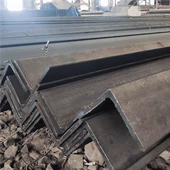
The direct answer is no-it is not suitable for exposed, bare use in marine offshore environments, especially in critical zones like the splash and immersion areas. While S355W Corten steel excels in terrestrial applications, the harsh marine atmosphere presents challenges it cannot overcome alone. Its successful application offshore depends entirely on implementing a comprehensive protection strategy.
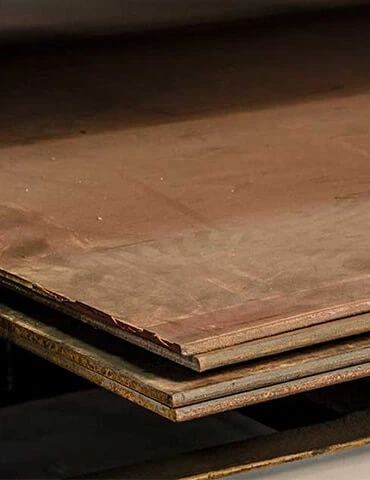
Why the Marine Environment is a Problem
The protective mechanism of Corten steel relies on forming a stable, adherent rust patina. In marine settings, this process is severely disrupted:
Chloride Attack: High concentrations of airborne and waterborne salt chlorides are highly corrosive. They penetrate the nascent patina, preventing it from stabilizing and leading to accelerated, uneven corrosion.
Constant Wetness: The protective patina requires regular wet/dry cycles to mature. In the splash zone or in areas of frequent salt spray, surfaces remain damp for too long, which accelerates corrosion instead of forming a protective layer.
Result: Bare S355W in this environment will corrode at a significantly higher and unpredictable rate compared to inland use, compromising structural integrity and thickness.
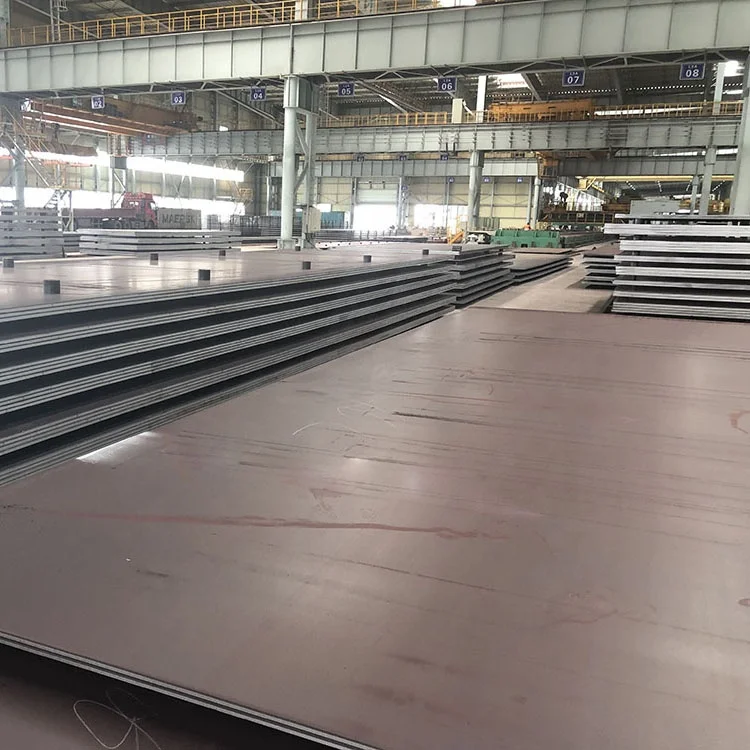
Critical Precautions and Protection Systems
Using S355W offshore is only viable when it is integrated as a substrate within a full protective system. The required measures vary drastically by exposure zone:
1. Atmospheric Zone (Above the splash zone, exposed only to wind-borne salt)
Precaution: A high-performance coating system is mandatory.
Action: Apply a multi-coat system typically consisting of a zinc-rich epoxy primer, epoxy intermediate coats, and a polyurethane topcoat. The total dry film thickness often exceeds 300 microns. Surface preparation to Sa 2½ (near-white metal blast) is crucial for adhesion.
2. Splash Zone & Tidal Zone (Area of direct wave impact and cyclical wetting)
Precaution: This is the most aggressive area. Coating alone is insufficient.
Action: Use thick-layer coatings or corrosion-resistant cladding (like Monel, stainless steel sleeves) specifically designed for this zone. Alternatively, apply a sacrificial thickness allowance (extra steel thickness) to account for known high corrosion rates over the design life.
3. Immersion Zone (Permanently submerged)
Precaution: Bare Corten behaves like ordinary carbon steel here.
Action: Cathodic Protection (CP) is essential. This involves installing sacrificial anodes (galvanic system) or using an impressed current system to prevent electrochemical corrosion. This must be combined with a robust marine coating.
Comparison of Protection Strategies by Zone
| Exposure Zone | Risk Level | Required Protection for S355W | Key Reason |
|---|---|---|---|
| Atmospheric | High | High-performance Coating System | Combats constant salt spray. |
| Splash/Tidal | Very High | Specialist Cladding / Ultra-Thick Coatings + Sacrificial Allowance | Withstands direct wave impact and continuous wet/dry cycles. |
| Immersion | Extreme | Marine Coating + Cathodic Protection | Prevents rapid electrochemical corrosion underwater. |
Practical Recommendations
For most offshore structural applications (platform legs, wharves, wind turbine monopiles), standard carbon steel with a tailored marine protection system is often a more predictable and economical choice than Corten. The slight atmospheric corrosion advantage of bare Corten is irrelevant in these fully protected scenarios.
If S355W is specified for architectural or other reasons in above-splash areas:
Never plan to leave it bare.
Design for full protection from the start, integrating coating, cladding, and CP requirements.
Consult with a marine corrosion engineer to design a system certified for your specific environment and design life.

In summary, S355W Corten steel can be used in marine offshore projects, but only as a protected substrate, not as an exposed weathering steel. Its successful performance is 100% dependent on the correct application of external protection systems tailored to the specific marine exposure zone.