


The Science Behind Corten Steel's Patina Formation
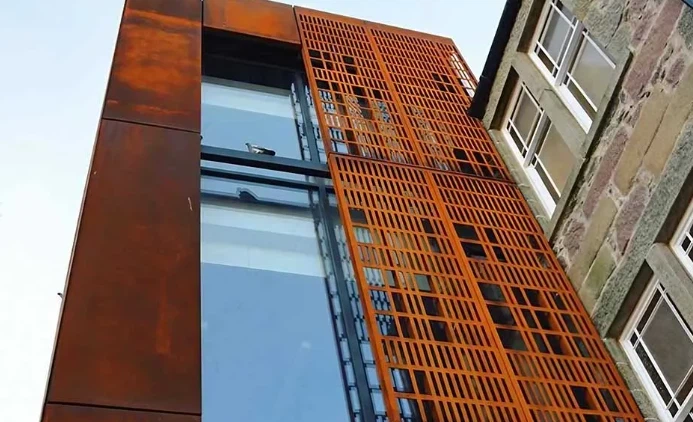
Corten steel is renowned for its unique ability to form a protective rust layer, known as a patina, when exposed to the elements. This patina not only gives the material its distinctive, weathered appearance but also serves as a protective barrier against further corrosion.
The Role of Alloying Elements
Corten steel is a low-alloy steel that contains copper, chromium, nickel, and phosphorus. These alloying elements play a crucial role in the formation of the patina. Copper, in particular, promotes the formation of a stable oxide layer, while chromium enhances the steel's resistance to corrosion. When Corten steel is exposed to moisture and oxygen, the copper and chromium combine with the environment to form a dense, adherent layer of rust.

How the Patina Forms
The patina on Corten steel begins to form as soon as the material is exposed to the atmosphere. The process starts with the formation of iron oxide (rust), but unlike regular steel, the patina forms a protective layer that prevents further corrosion from penetrating the surface. This process can take anywhere from a few months to a couple of years, depending on environmental conditions like humidity, rain, and temperature.
Environmental Impact
The development of the patina is accelerated in areas with alternating wet and dry conditions, such as coastal or temperate regions. However, in environments with constant exposure to moisture or salt, the patina may not form correctly, leading to accelerated corrosion. As a result, Corten steel is ideal for outdoor applications where it can naturally weather and form its protective layer over time.


