


Mechanical properties define the structural performance of SMA400BW Corten Steel-dictating how this JIS G 3114:2022-certified grade withstands loads, forms into custom shapes, and resists fracture in real-world outdoor applications. As a versatile atmospheric corrosion-resistant steel in the SMA400 series, its engineered mechanical traits strike a critical balance between strength, ductility, and fabrication ease-making it a reliable choice for light-to-moderate load structural projects. Understanding these core properties isn't just about meeting standard requirements; it's about ensuring the steel aligns with your project's structural demands and fabrication workflows.
Below is a clear, practical breakdown of SMA400BW's core mechanical properties per JIS G 3114:2022, with focus on what each specification means for your structural design and construction.

Yield & Tensile Strength: The Structural Backbone
Yield and tensile strength are the foundational properties that determine SMA400BW's ability to support static and dynamic loads, with JIS G 3114:2022 setting thickness-dependent standards for consistent performance across all structural applications:
Yield Strength: 245 MPa minimum for steel ≤16mm thick, tapering to 215 MPa minimum for 40–100mm thick material. This marks the point where the steel stops deforming elastically and begins permanent shape change-ensuring it resists bending or buckling under design loads for bridges, framing, and architectural elements.
Tensile Strength: 400–510 MPa (uniform across all standard thicknesses). This is the maximum stress the steel can withstand before fracturing, providing a critical safety margin for outdoor structures exposed to wind, vibration, and occasional overloading.
Together, these strength values position SMA400BW as a workhorse for light-to-moderate load projects, avoiding over-engineering while delivering the structural reliability required by global building codes.

Elongation: Ductility for Fabrication & Flexibility
Per JIS G 3114:2022, SMA400BW has a minimum elongation of 26–27% (measured via a standard tensile test). This high ductility is a key design feature with tangible practical benefits:
It enables smooth cold forming into custom profiles-curved beams, angular canopies, and tailored structural components-without cracking or creating stress points that lead to premature corrosion.
It allows the steel to absorb minor deformations from dynamic loads (e.g., traffic vibrations on pedestrian bridges) without permanent damage, enhancing long-term structural durability.
It simplifies on-site fabrication and adjustments, reducing rework and construction delays for project teams using standard forming equipment.

Impact Toughness: Resistance to Sudden Fracture
SMA400BW's impact toughness is standardized to prevent brittle fracture in variable outdoor conditions, a critical property for structures in temperate and cold regions:
Per JIS G 3114:2022, it requires a minimum average impact energy of 27 J at 0°C (tested via the Charpy V-notch method, the global industry standard for structural steel).
Individual test specimens may fall slightly below this average but cannot drop below 70% of the 27 J minimum (≈19 J), ensuring batch-to-batch consistency.
For steel thinner than 10mm, sub-sized test specimens are used with proportional energy requirements, maintaining the same fracture resistance relative to material thickness.
This toughness ensures SMA400BW can absorb sudden forces-such as falling debris, strong wind gusts, or temperature-induced stress-without cracking, a vital safety feature for all outdoor welded structures.

Hardness & Welded Joint Performance
While JIS G 3114:2022 does not specify a strict hardness value for SMA400BW, its low carbon content (≤0.18%) and tight impurity controls ensure a uniform, low hardness profile that supports two key practical benefits:
Excellent weldability: The steel's low hardness prevents brittleness in the heat-affected zone (HAZ) of welded joints, ensuring welds retain the same strength and ductility as the parent material when using weathering steel-matched consumables.
Resistance to wear: A moderate, uniform hardness profile gives SMA400BW good resistance to surface wear from outdoor exposure (e.g., foot traffic on bridge deck supports, environmental abrasion), without compromising formability.

Why These Properties Matter for Your Project
SMA400BW's JIS-mandated mechanical properties are not arbitrary-they are engineered to deliver practical value for the outdoor structural projects this grade is designed for:
For engineers: The consistent, thickness-dependent strength values simplify load calculations and ensure compliance with global structural codes (ISO 630-5, Eurocode 3, AS/NZS 3679).
For fabricators: High elongation and excellent weldability reduce fabrication time and costs, enabling custom designs with standard equipment.
For project owners: Impact toughness and structural strength ensure long-term durability and safety, minimizing the risk of unplanned repairs or structural failure.
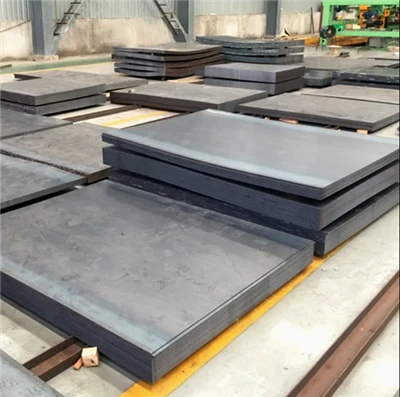
In short, SMA400BW Corten Steel's core mechanical properties per JIS G 3114:2022 are a masterclass in balanced structural design-blending reliable strength, fabrication flexibility, and fracture resistance to meet the demands of mainstream outdoor structural projects. Every specification is tailored to deliver consistent, cost-effective performance, making it a predictable and trusted choice for structural design and construction worldwide.


