


Unpainted SMA400CW Corten Steel is engineered to thrive in the harshest outdoor environments-from frigid sub-zero winters to moderate industrial pollution and salt-laden coastal air-delivering decades of low-maintenance structural performance. But this long-term reliability does not equal zero maintenance. Even with its nickel-enhanced, self-healing protective patina, neglecting targeted, JIS-aligned upkeep can lead to premature corrosion, lost low-temperature toughness, and shortened service life. The good news is that SMA400CW's maintenance requirements are simple, low-cost, and tailored to preserve its unique harsh-environment performance, with none of the costly full overhauls required for painted carbon steel structures.

Core Maintenance Principle Aligned with JIS G 3114:2022
Unlike entry-level SMA400 grades designed for mild environments, SMA400CW's long-term performance depends on two non-negotiable, standard-mandated assets: its dense, nickel-reinforced protective patina (which blocks corrosive contaminants) and its retained -20°C impact toughness (which prevents brittle fracture in frigid climates). Every maintenance task is designed to protect these two assets, with no unnecessary steps that could damage the steel's engineered properties, fully aligned with JIS G 3114:2022's design intent for the grade.
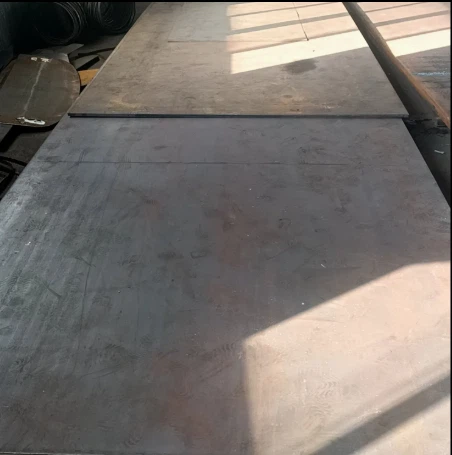
Environment-Tailored Routine Maintenance Schedules
Maintenance frequency and scope are directly tied to the severity of the operating environment, per JIS G 3114:2022's performance benchmarks for SMA400CW:
Optimal Mild Rural/Suburban EnvironmentsSchedule: Annual visual inspection only, no regular cleaning required.Core tasks: Check for blocked drain holes, standing water, debris buildup, or isolated pitting. The nickel-enhanced patina forms and stabilizes naturally in clean air, with no need for rinsing or surface treatment.
Light Urban/Moderate Cold-Climate EnvironmentsSchedule: Semi-annual inspection, with annual low-pressure fresh water rinse.Core tasks: Clear debris from horizontal surfaces, verify unobstructed drainage, and rinse away accumulated road dust or winter de-icing salt residues. This prevents contaminants from breaking down the patina's uniformity in cold, humid conditions.
Moderate Industrial/Low-Exposure Coastal Environments (Core Eligible Use Cases)Schedule: Quarterly inspection, with bi-monthly low-pressure fresh water rinses.Core tasks: Rinse away acidic industrial particulates or coastal salt deposits, the biggest threats to SMA400CW's patina in these settings. Inspect weld joints for early pitting, and clean affected areas with a soft stainless steel bristle brush.

Non-Negotiable Preventive Maintenance for All Environments
These mandatory steps eliminate the most common causes of premature failure, and are required to retain SMA400CW's JIS G 3114:2022 performance guarantees:
Eliminate permanent surface coverage: Never allow leaves, soil, non-breathable plastic sheeting, or carbon steel scrap to sit on the steel for extended periods. These trap moisture and block atmospheric exposure, preventing the patina from self-healing and causing localized pitting that reduces the steel's cross-section and impact toughness.
Maintain unobstructed drainage: Clear drain holes and correct surface pooling during every inspection. JIS G 3114:2022 does not rate SMA400CW for continuous water immersion, and standing water is the single biggest driver of accelerated corrosion, even for its nickel-enhanced formulation.
Protect weld joint integrity: Inspect all welds annually for pitting or corrosion. Only use weathering steel-matched consumables for repairs, to ensure weld metal matches the parent steel's nickel and chromium content, retaining equal corrosion resistance and low-temperature toughness.

Critical Maintenance Mistakes to Strictly Avoid
These common errors will irreversibly damage SMA400CW's core performance, and must be avoided at all costs:
Do not use high-pressure washing, which can strip the immature protective patina and expose the base steel to accelerated corrosion.
Do not use harsh acidic or alkaline cleaners, which dissolve the nickel-enhanced patina and strip the steel's alloy-rich surface layer.
Do not apply standard paint or non-breathable coatings, which block atmospheric exposure and prevent patina self-healing, leading to hidden corrosion once the coating chips.
Do not use carbon steel brushes or tools for cleaning, which leave embedded iron particles that cause galvanic pitting, especially in industrial or coastal environments.

Long-Term Structural Integrity Validation
To ensure SMA400CW meets its 25–50 year design service life, conduct a full structural review every 5 years:
Use ultrasonic thickness testing to verify cumulative corrosion loss stays within the design's corrosion allowance (minimum 1.5 mm for mild environments, 2 mm for harsh eligible settings).
For critical cold-climate structures, validate retained -20°C impact toughness per JIS G 3114:2022 requirements via representative coupon testing.
Repair localized corrosion with matched consumables, and rework drainage issues to prevent recurring damage.

In summary, unpainted SMA400CW Corten Steel has minimal, targeted maintenance requirements centered on protecting its JIS-defined harsh-environment performance. With consistent, standard-aligned upkeep, it delivers its full design service life with a fraction of the cost and labor required to maintain painted carbon steel structures in aggressive outdoor conditions.


