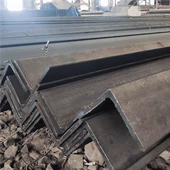
Forming thick-gauge S335J0WP Corten Steel (≥15mm) for industrial structural components or outdoor projects often faces the risk of cracking, grain coarsening, or weather resistance degradation. Unlike standardized weather-resistant steels, there are no official forming guidelines for S335J0WP in European standards, leaving buyers unsure which processes can balance formability and performance. What reliable forming processes are compatible with its thick-gauge plates? The core clarification first: S335J0WP is not listed in EN 10025-5 (the main European standard for Corten Steel), but we can derive targeted recommendations based on its inferred properties (medium-low strength, 20℃ impact toughness, weather resistance) and EN 10025-5's forming logic for similar thick-gauge weather-resistant steels. Below is a concise, evidence-based breakdown.

Key Premise: Grade Nature & Thick-Gauge Forming Constraints
To ensure the rationality of forming process recommendations, two critical points must be clarified first:
Grade Inference: Based on European steel naming conventions, S335J0WP is inferred as a medium-low strength weather-resistant steel (yield strength ~235-335MPa) with "W" (weather resistance), "P" (thermo-mechanical rolling), and "J0" (20℃ impact toughness ≥27J) attributes. It aligns with EN 10025-5's design logic for weather-resistant steels but lacks official standardization.
Thick-Gauge Forming Constraints: For plates >15mm, the main challenges are: ① High structural rigidity leading to large forming stress; ② Slow heat dissipation increasing cold cracking risk; ③ Excessive heat input easily damaging the weather-resistant alloy layer (Cu/Cr) and reducing impact toughness. Thus, processes must prioritize "low stress, controlled heat, and minimal alloy loss".

Recommended Forming Processes for Thick-Gauge S335J0WP (>15mm)
Based on the above constraints and industrial practice, the following processes are most compatible with thick-gauge S335J0WP, sorted by applicability and reliability:
1. Hot Press Forming (Hot Bending/Stamping) – Most Reliable for Complex Shapes
Application Scenarios: Ideal for thick-gauge components requiring complex shapes, such as industrial equipment frames, heavy-duty support brackets, and large curved structural members (15-30mm thickness).
Thick-Gauge Key Points: Heat the plate to 900-1100℃ (austenitization range) to significantly improve ductility and reduce forming stress. Use slow pressing speed (5-10mm/s) to avoid localized stress concentration. Cool slowly after forming (air cooling with insulation blankets) to prevent rapid cooling-induced hardening, which would reduce 20℃ impact toughness. Strictly avoid heating above 1150℃ – this may cause uneven distribution of Cu/Cr elements and damage weather resistance.
2. Warm Roll Bending – Suitable for Curved Thick Plates
Application Scenarios: Used for producing thick-gauge curved components, such as cylindrical tank walls, large-diameter pipe segments, and architectural curved beams (15-25mm thickness).
Thick-Gauge Key Points: Adopt warm rolling (preheat to 200-300℃) instead of cold rolling – this reduces roll force by 30-40% and avoids edge cracking. Control rolling speed at 2-3m/min to ensure uniform deformation. Maintain a minimum bending radius ≥3×plate thickness (referenced from EN 10025-5 for similar grades) to prevent permanent damage to the substrate.
3. Segmented Forming + Welding – For Extra-Thick Plates (>25mm) or Ultra-Complex Shapes
Application Scenarios: Suitable for extra-thick S335J0WP (>25mm) or components that cannot be formed in one step, such as large industrial furnace supports and heavy-duty bridge auxiliary structures.
Thick-Gauge Key Points: First form thick plates into small, manageable segments via hot press or warm roll bending. Weld segments using weather-resistant consumables (ER70S-GNiCu wire for MIG, E7018-G electrode for SMAW) with low heat input to minimize the heat-affected zone (HAZ). For plates >20mm, perform post-weld stress relief annealing (550-600℃ for 1-2 hours) to release residual stress and avoid delayed cracking.
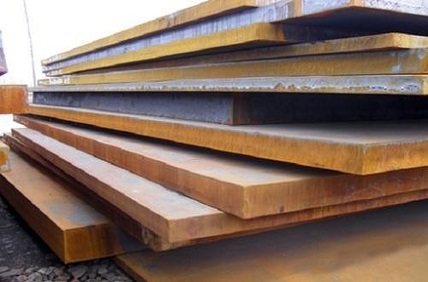
Critical Thick-Gauge Forming Precautions
Pre-Forming Surface Prep: Remove loose rust, oil, and dust from the plate surface (≥50mm area around the forming zone) using a wire brush or neutral degreaser. Avoid sandblasting – it removes the initial oxide layer and delays the formation of the protective rust layer post-installation.
Thermal Control for Toughness: Never form thick-gauge S335J0WP at temperatures below 10℃. Even with 20℃ impact toughness, low-temperature forming increases brittle cracking risk. Preheat the plate to 15-30℃ if working in cold environments.
Post-Forming Inspection: Use ultrasonic testing to check for internal cracks in the forming zone and welds (if segmented forming is used). Verify that the plate thickness after forming does not deviate from the design limit by more than 5% – critical for load-bearing safety.
Practical Procurement Verification Tips
Confirm Material Properties: Request a detailed Material Data Sheet (MDS) from suppliers, specifying tensile strength, ductility, and impact toughness – these parameters directly determine the feasible forming process range.
Clarify Grade Ambiguity: If forming challenges (e.g., frequent cracking) occur, confirm with suppliers whether "S335J0WP" is a typo (e.g., intended S355J0WP, a standardized EN 10025-5 grade with clear thick-gauge forming guidelines).
Request Process Recommendations: Ask suppliers for customized forming parameters (e.g., hot forming temperature, rolling speed) based on the specific thickness of S335J0WP you are using.
In summary, thick-gauge S335J0WP Corten Steel is most compatible with hot press forming, warm roll bending, and segmented forming + welding. The key is to control thermal input, reduce forming stress, and avoid damaging the material's weather resistance and toughness. For project safety, verifying material properties with suppliers and clarifying grade authenticity are essential steps to ensure successful forming.