


In low-temperature environments-such as alpine regions or northern European winters-S355K2W Corten Steel used in load-bearing structures (bridges, industrial supports) faces a critical risk: brittle fracture. The Charpy V-notch impact energy directly determines the steel's ability to resist sudden cracking under cold conditions. For engineers and buyers, knowing the minimum requirement at -40℃ is not just a technical detail, but a safeguard against catastrophic structural failure. What is the definitive minimum Charpy V-notch impact energy for S355K2W at -40℃ per EN 10025-5? The core answer, rooted in European standards and industrial practice, is clear:The minimum requirement is 27 Joules (J) for each test specimen, as mandated by EN 10025-5-the official European standard for weather-resistant structural steels. Below is a concise, practical breakdown.

Why This Value Matters: The Safety Role of Impact Energy
Charpy V-notch impact energy measures a material's ability to absorb energy during sudden impact, especially at low temperatures. It is the key indicator of toughness-the opposite of brittleness:
At -40℃, steel's molecular structure becomes less flexible. Without sufficient impact energy, even small cracks can spread rapidly, leading to brittle fracture (no warning signs, immediate structural collapse).
S355K2W's 27J minimum ensures it retains enough toughness to withstand accidental impacts (e.g., wind loads, equipment collisions) or stress concentrations in cold environments.

Standard & Grade Decoding: Why It's 27J at -40℃
The 27J requirement is not arbitrary-it is tied directly to EN 10025-5 and the "K2" suffix in S355K2W:
- EN 10025-5 Mandate: The standard specifies that for "K2" grade weather-resistant steels (like S355K2W), Charpy V-notch impact tests must be conducted at -40℃. The minimum acceptable energy for each individual test specimen is 27J (three specimens are typically tested, with an average also meeting or exceeding 27J).
- "K2" Grade Meaning: The "K" in S355K2W indicates a "keyhole" notch (stricter than the common "J" notch), while "2" denotes the -40℃ test temperature. This grade is specifically designed for low-temperature service, making the 27J threshold a non-negotiable safety requirement.
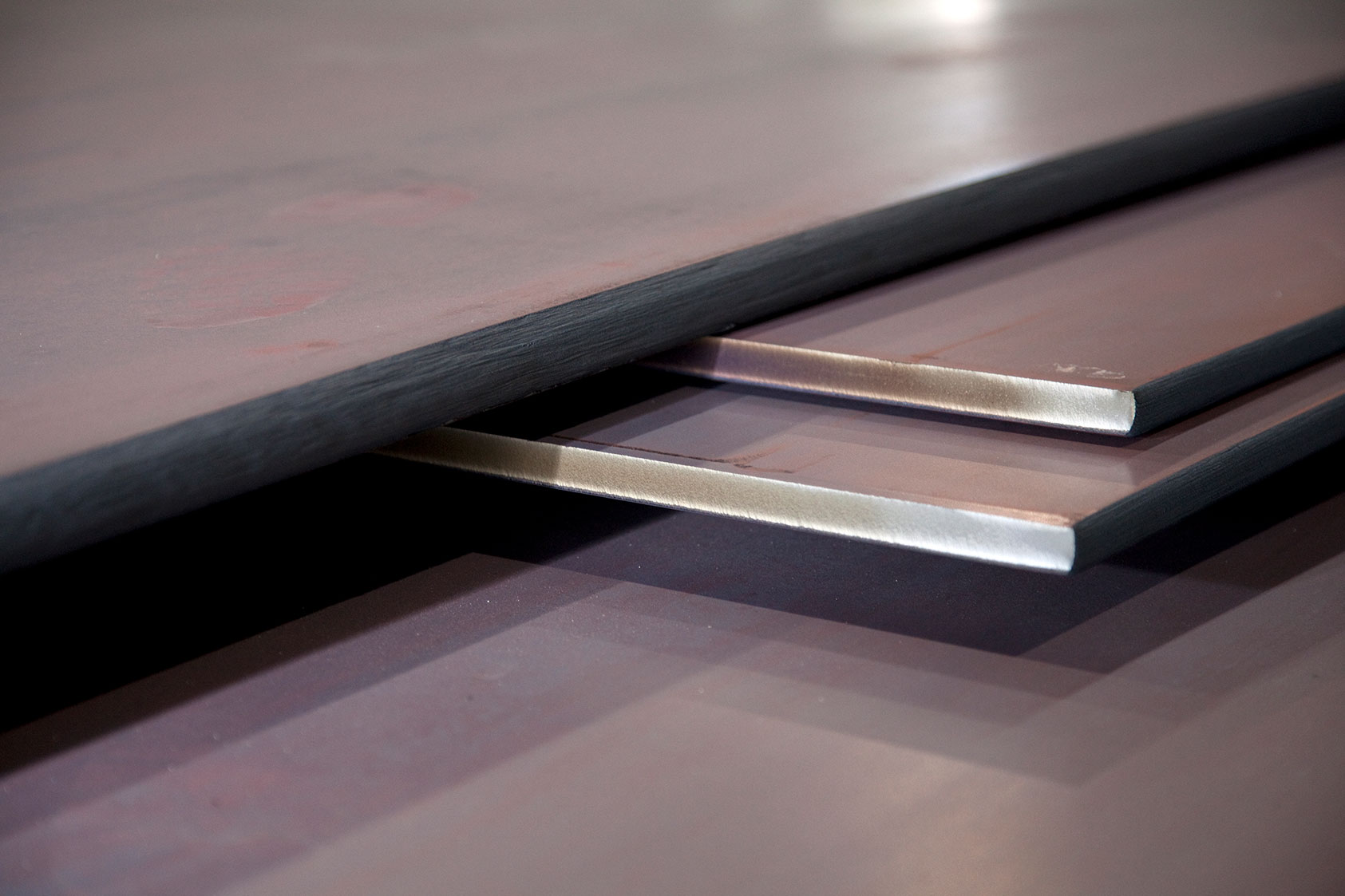
Key Factors That May Affect Actual Impact Energy
While the standard sets a 27J minimum, real-world values can vary based on two critical factors-buyers should be aware of these to avoid surprises:
- Steel Thickness: For thick-gauge plates (>40mm), impact energy may slightly decrease due to slower cooling during production. However, EN 10025-5 requires even thick S355K2W to meet the 27J minimum-suppliers must adjust production processes (e.g., thermo-mechanical rolling) to ensure compliance.
- Welding & Processing: High-heat processes like welding can reduce toughness in the heat-affected zone (HAZ). This is not a material defect, but a processing consideration-use compatible low-hydrogen welding consumables to preserve impact performance.

Practical Procurement Verification Tips
To confirm S355K2W meets the 27J requirement, follow these actionable steps:
- Request EN 10204 Type 3.1 Mill Test Report (MTR): The report must explicitly state: ① Test temperature (-40℃); ② Notch type (V-notch/Charpy); ③ Individual and average impact energy values (all ≥27J). Ensure the report references EN 10025-5 and S355K2W.
- Avoid Ambiguous Data: Reject MTRs that only state "meets EN 10025-5" without specific -40℃ impact values. Some suppliers may test at higher temperatures (e.g., -20℃) and omit low-temperature data-insist on -40℃ results for K2 grade.
- Cross-Check Batch Consistency: Verify the heat/lot number on the MTR matches the steel's physical markings (stamps, labels). This ensures the tested energy values correspond to the actual material you receive.
In summary, S355K2W Corten Steel's minimum Charpy V-notch impact energy at -40℃ is 27J per EN 10025-5-a critical safety threshold for low-temperature applications. This requirement is tied to the "K2" grade's design purpose, ensuring resistance to brittle fracture. For buyers, the key is to demand a detailed EN 10204 Type 3.1 MTR with explicit -40℃ test data-simple due diligence that guarantees structural safety in cold environments.


